Last updated October 15, 2026


Free written scope consultation - allowances, timeline, and change-order rules on paper before a single trade is scheduled
Construction Permits, Codes & Inspections in FL: What You Need to Know
A Florida home with an unpermitted addition can fail a 4-point insurance inspection and cause the carrier to cancel the policy mid-term. The homeowner is then left uninsured during hurricane season and unable to sell until the work is legalized, a process that often costs more than the original project did. This guide explains the Florida permit system as it actually works in West Palm Beach: what triggers a permit, what the inspections verify, what open permits mean for your title, and how to check any property’s history before money changes hands. For more guides & resources on navigating home construction in the area, explore our blog.
Quick Answer
In Florida, construction permits are required for most structural, electrical, plumbing, and mechanical work that goes beyond cosmetic replacement, and the permit history attaches to the property, not the owner. The permit triggers a series of inspections that document the work was done to code, and that documentation is what insurance companies review after storms and what buyers’ attorneys pull before closing. In West Palm Beach, a homeowner applying for their own permit accepts legal liability for the work, which is why most families use a licensed contractor who pulls the permit under their own credentials. Deciding whether to tackle work yourself or hire a pro is covered in our DIY vs Professional Construction: The West Palm Beach Homeowner’s Decision Guide.
Styles & brands we work with

Table of Contents
- Why Florida Treats Permits Differently
- The Permit: What It Actually Is and What It Protects
- Which Projects Require Permits in West Palm Beach
- Step-by-Step: The Florida Permit Process
- Understanding Building Codes: The Florida Building Code and Local Amendments
- Inspections: What Happens and Who Must Be There
- Product Approvals: The FL# System and Your Materials
- Permits in Perpetuity: What Open Permits Do to Your Title
- Common Mistakes to Avoid
- When to Call a Professional
- Frequently Asked Questions
- The Bottom Line
Why Florida Treats Permits Differently
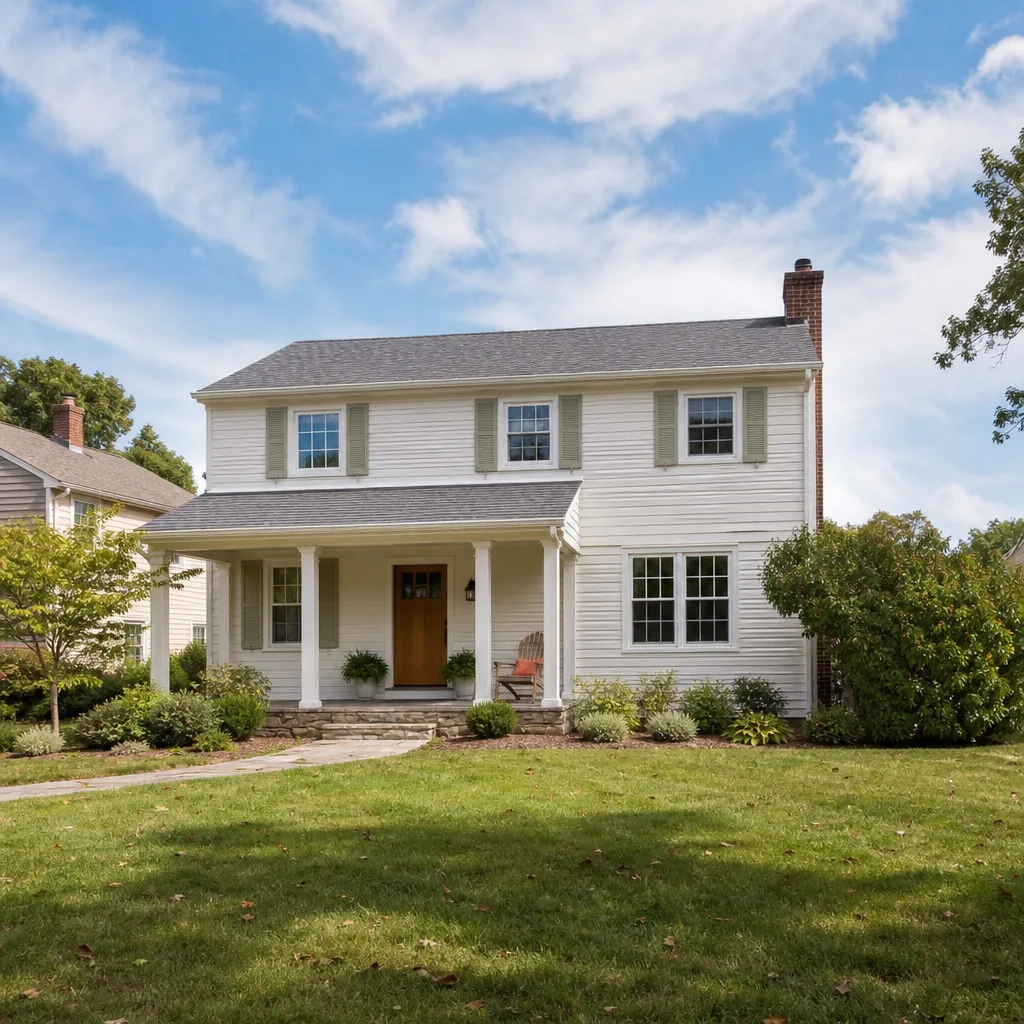
Florida’s permit system exists because the state’s building stock sits in a high-wind, high-humidity, salt-air environment that punishes shortcuts. A roof that fails in Ohio sends water into an attic. A roof that fails in West Palm Beach becomes a missile during a Category 3 storm. The documentation chain, the permit, the inspections, the product approvals, exists so that when an insurance adjuster or a building official looks at your house, they can see proof the work was done to a standard the state considers defensible. Our General Contractor Maintenance Checklist for West Palm Beach Homeowners covers how to keep that documentation organized long-term.
In our experience remodeling homes across West Palm Beach, we’ve seen this play out in real time. A family buys a 1950s ranch in Flamingo Park, only to discover at closing that a previous owner enclosed the carport without a permit. The enclosure failed a wind-load review. The seller had to either legalize the work retroactively, which meant opening walls to prove the tie-downs, or reduce the price. The permit system was not the villain in that story. It was the reason the family found out before they owned the problem.
Florida law requires permits to be pulled before work begins, and the Florida Building Code governs what gets built and how. Municipalities like West Palm Beach enforce the code through their own building departments, local amendments, and inspection schedules. The process is not designed to be fast. It is designed to be traceable.
The Permit: What It Actually Is and What It Protects
A construction permit is a legal document that authorizes specific work on a specific property under specific conditions. It is issued by the local building department, in West Palm Beach’s case the city’s Development Services Department, after plans are reviewed against the Florida Building Code and any local amendments. Once issued, the permit triggers a schedule of inspections that the contractor or homeowner must call for at defined stages of the work.
What does that paperwork buy you? Several things, none of them abstract:
- Insurance coverage. Florida insurers, especially after Hurricane Ian and the market contraction since 2022, routinely run 4-point inspections on homes over 20 years old. A 4-point inspection checks the roof, electrical, plumbing, and HVAC systems. If any of those systems show unpermitted work, the carrier can decline coverage or cancel an existing policy.
- Resale value. A property with a clean, closed permit history sells faster and at a better price. A property with open or missing permits becomes a negotiating lever for the buyer’s attorney.
- Liability protection. If unpermitted electrical work causes a fire, the homeowner’s insurance company may deny the claim on the grounds that the work was illegal and undisclosed. The contractor is long gone. The homeowner is holding the bill.
- Safety verification. The inspections catch things homeowners cannot see: hidden junction boxes, undersized framing, improper strapping, venting mistakes behind walls.
The permit is not a tax. It is a paper trail that protects the most expensive thing most families own. When we run a bathroom remodeling project in West Palm Beach, the permit is part of the job file, the same way the written price and the material list are. It is not optional and it is not an add-on.
Which Projects Require Permits in West Palm Beach

Florida Statutes Section 553.79 requires a permit for any construction, alteration, repair, or demolition that is not expressly exempt. The exemptions are narrow: paint, wallpaper, floor covering like tile or carpet, countertops, cabinet refacing that does not change the structure, and like-for-like fixture replacement that does not move plumbing or electrical. Almost everything else needs a permit.
Here is what West Palm Beach specifically requires for the most common remodel types:
Kitchen Expansions
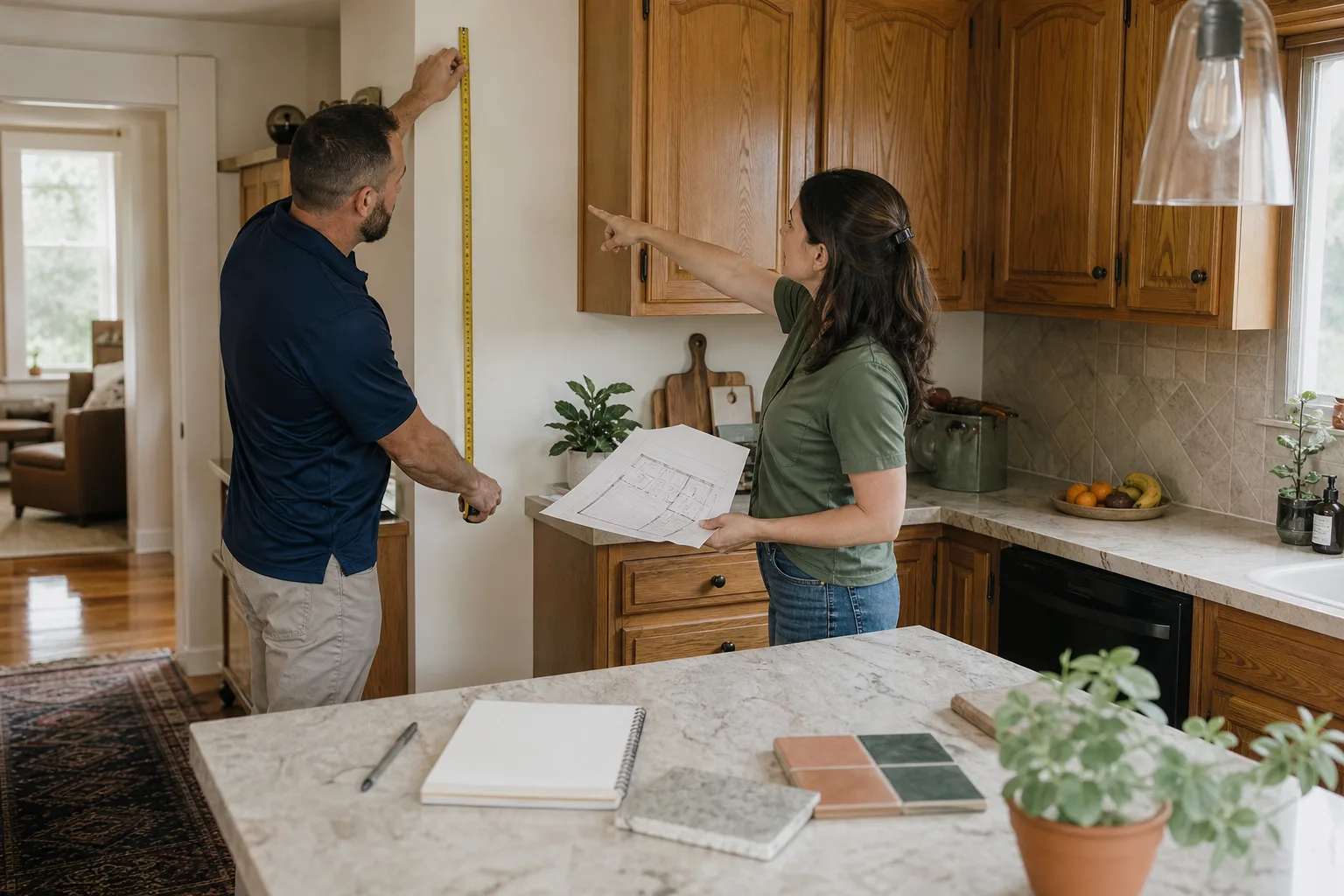
Any kitchen remodel that moves walls, adds square footage, relocates plumbing, or changes the electrical load requires a building permit, often with separate electrical and plumbing sub-permits. A kitchen expansion that opens an exterior wall is structural work. It triggers a foundation inspection, framing inspection, and wind-load review. Even a gut renovation of an existing kitchen needs a permit when walls come down, when the panel is upgraded, or when gas lines move. What does not need a permit: replacing cabinet doors, swapping a sink in the same location with the same plumbing rough-in, repainting.
Bathroom Additions
Adding a bathroom to a home that does not have one, or adding a second or third bath, always requires a permit. The plumbing work, fixture count, and electrical circuits are all reviewed. West Palm Beach code requires GFCI protection on every receptacle in a bathroom, and the permit inspection verifies it is there and wired correctly. A bathroom addition that requires a new sewer tie-in needs a plumbing permit and a below-slab inspection before the concrete is poured.
Roof Replacements
Florida law requires a permit for any roof replacement. The permit requires proof that the new roofing system meets the current Florida Building Code wind-load requirements for Palm Beach County’s wind zone. The contractor must submit product approvals for the underlayment, the shingles or tile, and the attachment system. A reroof in West Palm Beach triggers a dry-in inspection and a final inspection, and if more than 25% of the sheathing is replaced, the roof must be brought up to current code for secondary water barrier and attachment. For a deeper look at job-site safety markers, see our Construction Warning Signs: A West Palm Beach Homeowner’s Reference Guide. The FL# product approval documentation is part of the permit package, not a brochure the contractor waves at you.
Electrical Panel Upgrades
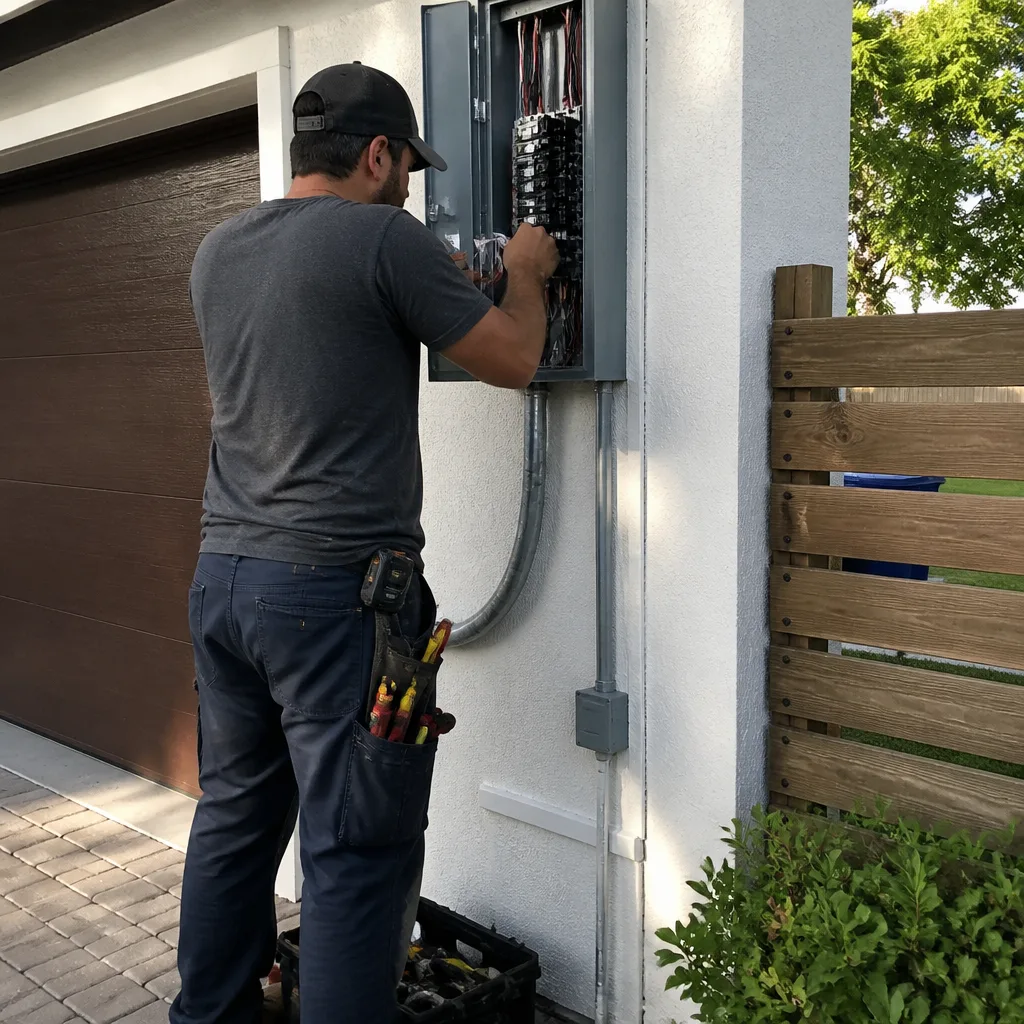
A panel upgrade from 100-amp to 200-amp service, or any panel replacement, requires an electrical permit. The inspector verifies the grounding, the bonding, the panel labeling, and the load calculation. If your home still has a Federal Pacific or Zinsco panel, a 4-point inspection will flag it: those panels are known fire hazards and many Florida insurers will not write a policy on a home that still has one. The panel replacement itself is permitted work that should close out with a final electrical inspection.
When we provide a written price for a kitchen remodeling project in West Palm Beach, the permit fees are listed as a line item. The family sees exactly what the city charges, and the permit is pulled before the first wall moves.
Step-by-Step: The Florida Permit Process
The sequence below is how a typical remodel moves through West Palm Beach’s Development Services Department. It is drawn from real applications we have filed, not from a generic description of the Florida code.
- 1
Plan preparation. Drawings are prepared showing existing conditions and proposed work. The level of detail depends on the scope. A kitchen expansion needs architectural drawings, a floor plan, and often structural calculations for beams and headers. A straightforward bathroom remodel in an existing footprint needs less.
- 2
Plan review. The plans are submitted to the building department with the permit application. The reviewer checks the work against the Florida Building Code and West Palm Beach’s local amendments. Review times vary, but during busy season plan review can take two to three weeks. A complete, correctly drawn set moves faster.
- 3
Permit issuance. Once the plans pass review, the permit fee is paid and the permit is issued. The permit must be posted on the job site, visible from the street, for the duration of the work.
- 4
Work begins. The contractor starts work according to the approved plans. No work may begin before the permit is issued. Starting early is a code violation and the building department can issue a stop-work order.
- 5
Inspections are requested at each stage. The contractor calls for each required inspection when that phase of work is ready. The inspector visits, signs off, or issues a correction notice listing what must change before re-inspection.
- 6
Final inspection and permit closure. When all work is complete and all inspections have passed, the final inspection closes the permit. The job is now documented as permitted, inspected, and compliant.
The homeowner’s role in this process is smaller than most people expect. You do not need to understand the Florida Building Code. You need to verify that your contractor pulled the permit, that the permit number matches the job, and that the inspections are happening. If a contractor tells you the work does not need a permit, check that claim against the exemptions list yourself. When in doubt, call the city and ask.
Understanding Building Codes: The Florida Building Code and Local Amendments

The Florida Building Code is a single statewide code that applies everywhere in Florida. It is updated every three years, most recently with the 8th Edition released in late 2023 and effective statewide. The code sets minimum standards for structural integrity, wind resistance, energy efficiency, plumbing, electrical, and mechanical systems. Palm Beach County sits in a High Velocity Hurricane Zone, which means the structural requirements here are among the strictest in the state.
West Palm Beach adopts the Florida Building Code with local amendments. These amendments address things like setback requirements, historic district rules, landscaping and irrigation standards, and specific drainage requirements. A project that meets the state code but violates a local amendment will not get a permit. The local amendments are public documents, and our general contracting work in West Palm Beach requires reading the current amendment list before finalizing any plan.
What does the code matter to a homeowner? Three practical things:
- Wind mitigation credits. Work done to current code, with the permit and inspection records to prove it, qualifies a home for wind mitigation credits on insurance premiums. Homes with documented roof-to-wall connections, impact-rated openings, or a secondary water barrier can save hundreds a year on windstorm premiums. No permit documentation means no credits, even if the work was done well.
- Energy compliance. The Florida Building Code’s energy provisions require insulation levels, HVAC sizing, and window performance standards. A permitted remodel includes the energy compliance paperwork that proves the home meets those standards.
- Product standards. The code requires that regulated building products carry either a Florida Product Approval or that the design professional of record takes responsibility for the product’s performance. The FL# sticker on a window or a roof underlayment is not marketing. It is the state’s way of documenting that the product has been tested for Florida conditions.
Inspections: What Happens and Who Must Be There
Inspections are the enforcement arm of the permit system. Each inspection verifies that the work at that stage matches the approved plans and meets the code. The inspection cannot happen until the contractor calls for it, and no work may be covered or closed in until the inspection passes.
A typical kitchen expansion in West Palm Beach includes this inspection sequence:
- Temporary erosion control / site inspection. Verifies silt fencing and site protection before work starts.
- Foundation inspection. Checks the slab or footing forms, reinforcing steel, and termite pretreatment before concrete is poured.
- Framing inspection. Verifies the wall and roof framing, the structural connections, the strapping and ties, and the window and door openings. The framing inspection must pass before insulation or drywall goes up.
- Rough-in inspections. These are separate inspections for electrical, plumbing, and mechanical systems, done while the walls are still open. The electrical rough-in checks wire sizing, box fill, and circuit layout. The plumbing rough-in checks pipe sizing, venting, and fixture rough-ins.
- Insulation inspection. Verifies the R-value and installation of insulation before drywall.
- Final inspection. After all finishes are installed, the final inspection verifies that everything works and nothing was changed after the rough-ins passed. The final inspection is what closes the permit.
Who must be present? The contractor or the permit holder must be on site for every inspection. The homeowner does not need to be there, but it is wise for the homeowner or their representative to attend at least the framing and final inspections if possible. The inspector can explain what was checked and what any correction notice means. The inspection report becomes part of the property’s permanent permit history.
In West Palm Beach, inspections are scheduled by phone or online, and the city publishes inspection results the same day. The results are public record, tied to the property address, and searchable through the city’s online system.
See the difference
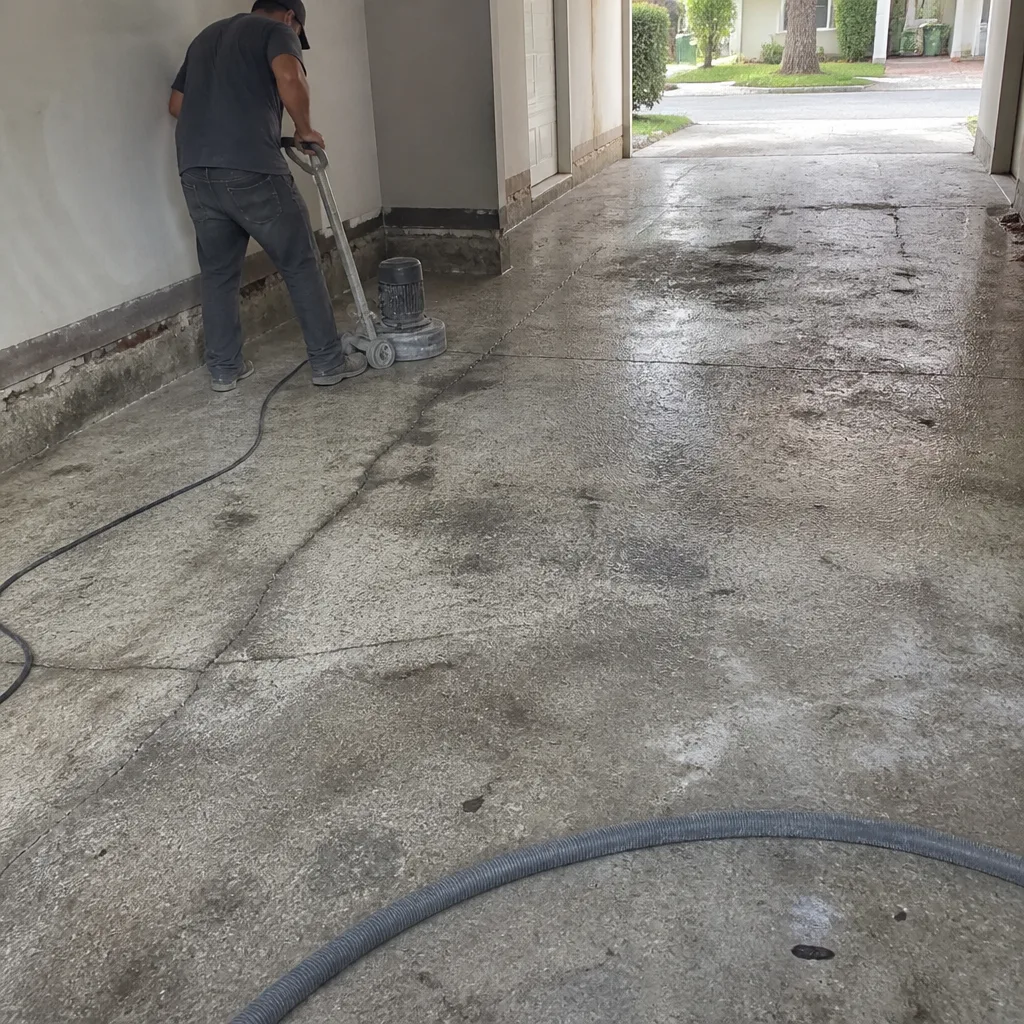 Before
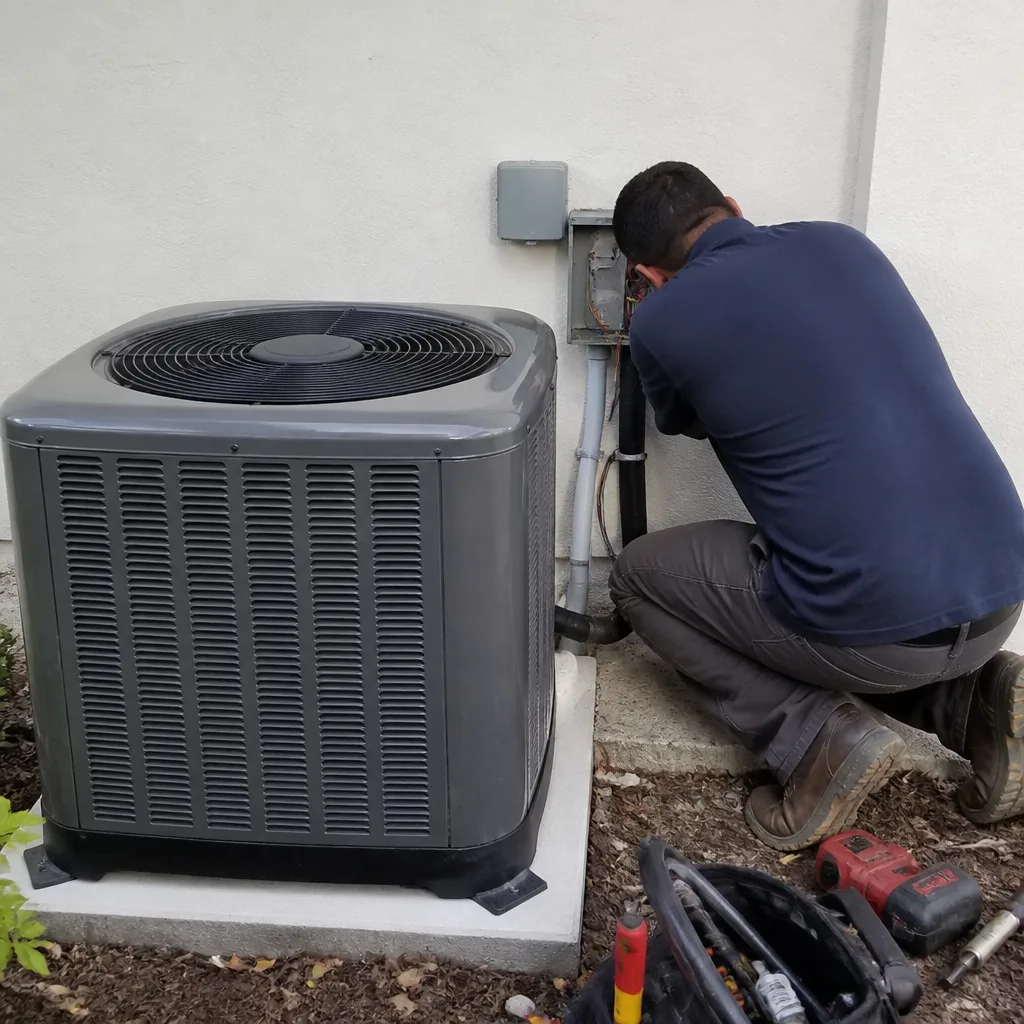 After
After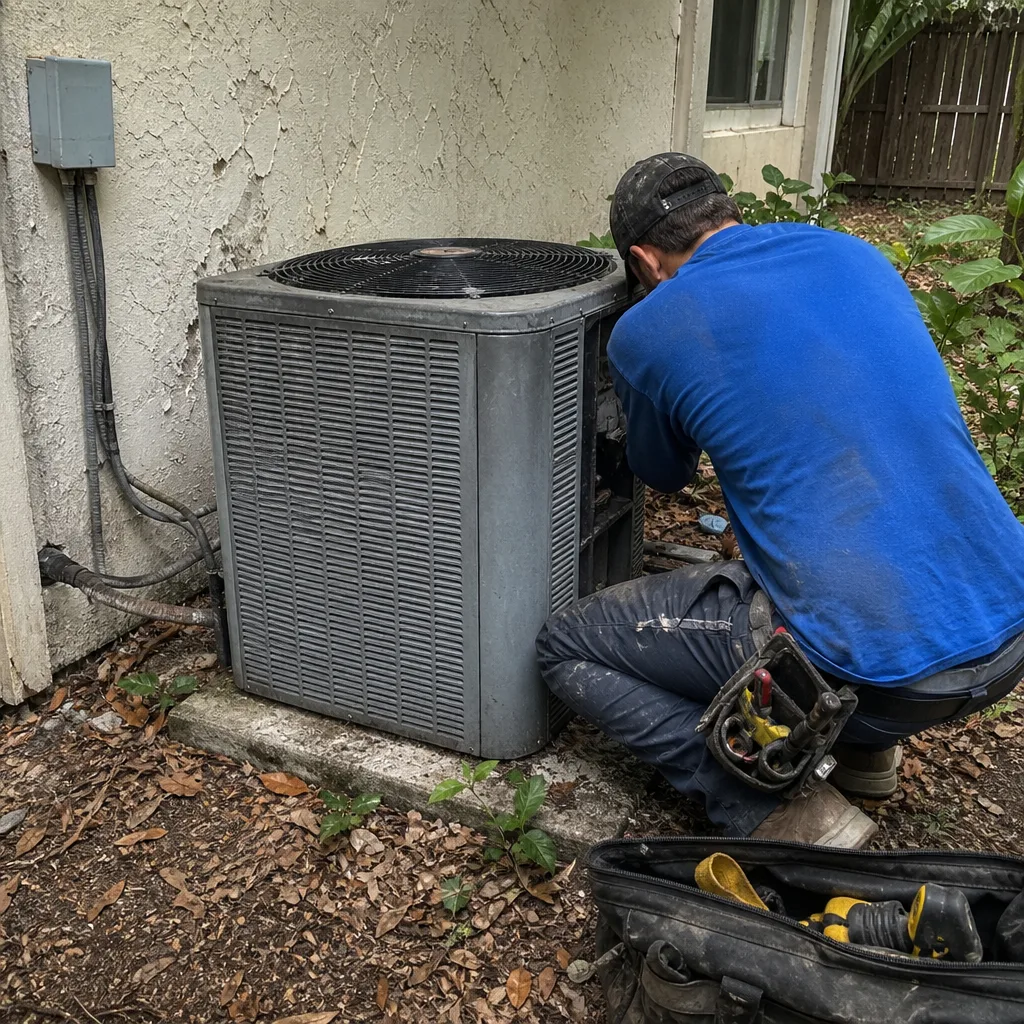 Before
 After
After Before
 After
AfterProduct Approvals: The FL# System and Your Materials
Florida requires that certain building products be tested and approved for use in the state before they can be installed in a permitted project. The Florida Product Approval system issues an FL# number to products that have passed testing by an accredited laboratory. The number appears on the product itself, on the packaging, and in the approval documents submitted with the permit application.
Why does this matter to a homeowner in West Palm Beach? Because windows, exterior doors, skylights, roofing materials, and exterior cladding are all subject to product approval. A window that is not approved for the High Velocity Hurricane Zone, even a window that is sold in Florida and looks fine, cannot be legally installed in a permitted project here. If your contractor cannot show you the FL# documentation for your windows or roofing, the permit may be denied, or worse, the work may pass inspection only to fail later when the insurance company or a buyer’s inspector asks for the paperwork.
Window manufacturers like ES Windows, ECO Window Systems, and Mr-Glass produce impact-rated lines with Florida Product Approvals. CWS is another manufacturer whose impact windows carry FL# documentation. These approvals are specific to product series and size ranges, not just to the brand as a whole. A good contractor pulls the approval documents for the exact model being specified and includes them in the permit package.
We specify named-brand, approved products on our projects because the product approval is part of what the family is buying. The FL# sticker on a window frame is proof the window was built and tested for Palm Beach County’s wind zone, and it is part of the documentation chain that supports the permit and the insurance file.
Permits in Perpetuity: What Open Permits Do to Your Title
Florida permits do not expire. A permit that was pulled twenty years ago and never received a final inspection is still open, still attached to the property, and still visible on the city’s permit search. This is what “permit in perpetuity” means in practice: the open permit sits on the property’s record until someone closes it or the city takes action.
Open permits surface at the worst possible moments. A title search before closing will find them. A buyer’s attorney will ask for them to be closed before the sale moves forward. An insurance application may trigger a records check that finds the same open permit. In each case, the homeowner who owned the house when the permit was pulled is usually long gone, and the current owner is left to resolve a permit they did not pull.
Resolving an open permit is not a phone call. It means scheduling an inspection of work that may be decades old, work that may have been altered since it was installed, work that may not meet the code that was in effect when it was done, much less the code today. The inspector may require destructive testing, opening walls, removing drywall, exposing the framing, to verify what is underneath. The costs of that investigation, plus the repairs, plus the re-inspection, often exceed what the original project cost.
Before you buy a home in West Palm Beach, or before you hire a contractor who claims prior work was permitted, check the property’s permit history. Palm Beach County’s online permit search, accessible through the county’s building division website, lets you search by address and see every permit ever pulled, the dates, the scope, and whether the permit is open or closed. The city of West Palm Beach also has a permit search portal for city-issued permits. Doing this check takes fifteen minutes. It has saved homebuyers from inheriting six-figure problems.
Common Mistakes to Avoid
- Believing a contractor who says “you don’t need a permit for this.” The contractor’s job is to make the sale. The building department’s job is to enforce the code. If the work needs a permit and you do not pull one, the liability is yours, not the contractor’s. Verify the claim yourself.
- Paying in full before the final inspection passes. Once the contractor is paid in full, the leverage to get the permit closed disappears. Hold back a meaningful percentage until the final inspection is passed and the permit is closed, in writing.
- Applying for a homeowner permit on work you are not qualified to do. Florida allows homeowners to pull their own permits on their own homes, but the homeowner permit holder assumes all legal liability for the work being code-compliant. If you cannot read a framing plan or a wind-load table, you are signing up to be legally responsible for something you cannot verify.
- Ignoring open permits from the previous owner. The open permit attaches to the property, and it becomes your open permit when you close. Resolve it before you buy, or price it into the purchase.
- Skipping the product approval check on windows and roofing. A window that is not FL# approved for the High Velocity Hurricane Zone can pass a visual inspection and still fail when the insurance company pulls the records. The product approval is part of the permit file, not an optional extra.
- Letting the permit lapse after the work starts. If work stops for an extended period, the inspection cycle stalls, and the open permit remains on the property. Finish the work and close the permit, even if it means pressing the contractor or hiring a new one.
- Treating the permit as a bureaucratic hurdle rather than a financial instrument. The permit file is what your insurance company reads after a storm and what a buyer’s attorney reads before closing. The permit is part of the home’s value, not a tax on your project.
When to Call a Professional
Most of the permit process runs through the contractor, and the contractor’s competence with the process is part of what a family is hiring. If a contractor cannot discuss the inspection sequence for your project, cannot name the product approvals for the materials being specified, or tells you the permit is optional, that contractor is not protecting you. In West Palm Beach, the permit is the proof that the work was done to a standard the city, the insurance company, and the next buyer will accept.
We’ve walked hundreds of families through this process, and we treat the permit as part of the written price, part of the job file, and part of the promise that the work is done right. The Elmstead Remodeling West Palm Beach home page explains how our projects are documented, from the first written price to the photo of the clean-up before the crew leaves.
Elmstead Remodeling West Palm Beach offers free estimates in West Palm Beach. Call (728) 203-3270 to talk through your project, the permits it will require, and what the written price will include.
Frequently Asked Questions
Yes, if the remodel moves walls, adds square footage, relocates plumbing, changes the electrical load, or upgrades the panel. A kitchen remodel that stays within the existing footprint and only swaps cabinets, countertops, and fixtures in the same locations may not need a permit. Call the West Palm Beach Development Services Department to confirm your specific scope before work begins.
Permit fees in West Palm Beach are based on the valuation of the work and the type of permit. A typical kitchen or bathroom remodel permit runs from a few hundred to a few thousand dollars depending on scope. The written price we provide includes the permit fee as a line item, so the family sees exactly what the city charges. Call (728) 203-3270 for a project-specific breakdown.
You own the liability. The unpermitted work can trigger a failed 4-point insurance inspection, reduce the home’s market value, and complicate a future sale. You may be required to legalize the work retroactively, which involves opening walls, passing inspections, and paying fees and sometimes penalties. Always check the permit history before you buy, using Palm Beach County’s online permit search.
Legally, no, not when the work requires one. Florida law requires the permit to be pulled before work begins, and the permit must be posted on the job site. A contractor who offers to skip the permit is asking you to accept the legal and financial risk of the work. Require the permit.
The permit is the authorization to do the work. The inspection is the verification that the work was done to code. The permit triggers the inspection schedule, and the final inspection closes the permit. Both are part of the property’s permanent record.
Plan review for a typical remodel in West Palm Beach can take two to three weeks, depending on the building department’s volume and the completeness of the submitted plans. Work cannot begin until the permit is issued. The written price we provide accounts for this timeline, so the family knows what to expect before the first wall moves.
The Bottom Line
Florida’s permit system exists to document the work, and the documentation is what protects the homeowner when the insurance adjuster comes, when the buyer’s attorney runs the title search, and when the 4-point inspection walks up the driveway. The permit is not friction. It is the paper that proves the work was done to a standard that holds up in West Palm Beach’s wind zone. Check the permit history on any property before you buy. Require the permit on any project you fund. And work with a contractor who treats the permit file as part of the promise: a written price before work starts, the permit pulled before the first wall moves, and the final inspection passed before the last check is written. If you’re planning a remodel in West Palm Beach, call (728) 203-3270 for a free estimate, and we’ll walk you through the permit path for your specific project.
Written by Graham Stein, Owner at Elmstead Remodeling West Palm Beach, serving West Palm Beach since 2005.