Last updated October 15, 2026







Free written scope consultation - allowances, timeline, and change-order rules on paper before a single trade is scheduled
General Contractor Maintenance Checklist for West Palm Beach Homeowners
A West Palm Beach home that skips its pre-rainy-season caulk inspection risks water intrusion along window flanges, and Florida’s average indoor humidity of 70 to 90 percent in summer means that intrusion can produce visible mold within 48 hours. Most maintenance checklists circulating online were written for four-season climates with frost heave, snow load, and furnace filters, and they quietly fail the homeowners who actually live here. This guide is organized around the real calendar your South Florida home lives by: dry season from October through May, and the rainy season from June through September, with hurricane prep and post-storm recovery nested inside. You will learn what to inspect each month, which products hold up under Florida UV exposure, what a contractor-grade maintenance visit should document in writing, and when a professional eye in West Palm Beach saves you money instead of costing you.
Styles & brands we work with





Quick Answer
A West Palm Beach home maintenance checklist works best when it follows the two-season South Florida calendar: exterior caulk and fastener inspections before June 1, impact window and door tolerance checks before hurricane season, and dry-season projects like repainting, resealing, and roof fastener replacement between October and May. The most important annual tasks are a pre-hurricane roof and soffit inspection, a whole-house caulk and seal audit, and a written record of what was checked and when, because that documentation matters for insurance and resale.
Table of Contents
- Why the Two-Season Calendar Replaces the Four-Season Checklist
- Caulk and Sealant Selection for Florida UV and Humidity
- The Month-by-Month Maintenance Checklist
- Roof Fastener and Soffit Vent Inspection Before June 1
- Impact Window and Door Tolerance Checks Most Homeowners Skip
- What a Contractor-Grade Maintenance Visit Should Document
- Dry-Season Project Planning for West Palm Beach Homes
- Common Mistakes to Avoid
- When to Call a Professional
- Frequently Asked Questions
- The Bottom Line
Why the Two-Season Calendar Replaces the Four-Season Checklist
Generic four-season maintenance guides tell you to bleed radiators in October and check attic insulation in November. Neither task matters in West Palm Beach, where homes fight a different set of enemies: salt air, sustained humidity, afternoon thunderstorms, and UV radiation intense enough to break down exterior sealants within two years. The National Weather Service data for Palm Beach County shows the area averages 62 inches of rain a year, most of it falling between June and September. A home here does not need winterizing. It needs waterproofing on a schedule.
Here is the practical split. The dry season, October through May, is your construction window. Paint adheres, concrete cures, exterior caulk sets, and roof work is safer. This is when you schedule the bigger repairs. The rainy season, June through September, is your survival window. You are not improving; you are holding the line against water, wind, and mold. Your inspection calendar should front-load all the critical checks into May, the last month before the pattern shifts.
We have seen what happens when homeowners run a four-season checklist here. They wait until October to check caulk because some general guide said fall is for resealing. By October, their home has already absorbed four months of tropical rain through a failed window flange seal, and the repair is now a mold remediation project instead of a twenty-dollar tube of caulk. The calendar is the checklist.
If you want a deeper look at how this region’s climate shapes construction decisions, our General Contractor in West Palm Beach page covers what we see across neighborhoods from Flamingo Park to Southland Park.
Caulk and Sealant Selection for Florida UV and Humidity
Not all caulk survives West Palm Beach. The combination of intense UV exposure, salt air within three miles of the coast, and repeated wet-dry cycles breaks down most products faster than their labels admit. In our experience, acrylic latex caulk is the wrong choice for exterior joints in this climate. It is cheap, it paints easily, and it typically fails within 18 months here, cracking and pulling away from the substrate. By the time you notice the failure, water has already been working on the framing behind it.
For exterior use in this market, three products have held up consistently. First, a high-quality polyurethane sealant, which bonds well to masonry, stucco, and most flashing. Second, a neutral-cure silicone for joints around impact windows and doors, since it flexes without losing adhesion and does not need painting. Third, a polyether sealant, which combines the paintability of acrylic with the durability of silicone and handles South Florida’s expansion-contraction cycles well. James Hardie siding installations here benefit from flexible, high-movement sealants at trim transitions, because the material expands with humidity changes and a rigid bead will fracture.
Surface preparation matters more than brand. We remove all old caulk mechanically, wipe the joint with denatured alcohol or a suitable solvent, and apply the new bead only when the surface is dry and above 50 degrees, which in West Palm Beach means almost any day between November and April. The rainy season is not a caulking season. A bead applied to a damp joint will fail within weeks, no matter how expensive the product.
For Elmstead Remodeling West Palm Beach home projects, we treat exterior caulk and sealant audits as a standard part of our maintenance and remodel scope, because a re-roof or window replacement is only as watertight as the joints around it.
The Month-by-Month Maintenance Checklist
Here is the full month-by-month maintenance calendar for a West Palm Beach home. This is the checklist we give our clients, organized by when each task actually makes sense in this climate, not by a generic northern template.
January
- Inspect and clean all gutters and downspouts. Remove debris before the January-February dry-season wind blows more in.
- Check exterior paint for UV fading, especially on south and west walls.
- Test all GFCI outlets in kitchen, bathrooms, garage, and exterior.
- Review your homeowners insurance policy for wind mitigation credits and confirm your home’s records are current.
February
- Inspect window and door weatherstripping. Dry-season air movement exposes gaps quickly.
- Check for termite activity: mud tubes on foundation walls, hollow-sounding baseboards.
- Clean and lubricate all door hinges and locks. Salt air accelerates hardware corrosion within a mile of the Intracoastal.
- Inspect irrigation heads and valving before the spring growth cycle.
March
- Begin the pre-hurricane-season roof inspection. Check for loose fasteners, cracked tiles, rusted flashing, and soffit vent gaps.
- Clean the roof valley drainage paths of all leaves and debris.
- Inspect fascia boards for moisture intrusion from blocked gutters during fall rains.
- Test your water heater’s temperature and pressure relief valve.
April
- Complete any repainting or resealing projects. April is the last comfortable month before daily heat settles in.
- Inspect outdoor electrical outlets and covers. Replace cracked covers before the rainy season.
- Check sliding impact door tracks for sand and debris, which wears down rollers faster in coastal homes.
- Clean the dryer vent and exhaust line to prevent fire risk before summer full-load operation.
May
- Perform the full pre-hurricane exterior inspection outlined in our roof fastener and soffit vent section below.
- Complete the impact window and door tolerance check outlined in our impact window section below.
- Re-caulk any exterior joint showing cracks or separation, using the polyurethane or silicone products described in our caulk section.
- Inspect and secure all exterior-mounted items: satellite dishes, screen enclosures, pool equipment covers.
- Test the sump pump and any low-lying drainage system, and confirm your generator starts cleanly.
June
- Begin monthly gutter cleaning through the end of September. Rainy-season storms fill them fast.
- After each heavy storm, check ceilings for water spots and windows for moisture at the interior sill.
- Inspect soffit vents after storms for water intrusion and displaced screening.
- Run your air conditioning condensate line cleaner monthly through September.
July
- Inspect the AC condensate drain and pan. A clogged line in July West Palm Beach humidity will overflow within a day.
- Check all interior walls and ceilings for soft spots or paint blistering in high-humidity areas like bathrooms and laundry rooms.
- Inspect exterior door thresholds and sweeps for gaps. Afternoon thunderstorms drive rain horizontally here.
- Pull back the landscaping mulch from the foundation edge to check for termite shelter tubes.
August
- Repeat the monthly gutter and downspout cleaning.
- Inspect window caulk on the west and south elevations. August UV breaks down thin beads quickly.
- Check attic ventilation during the hottest month. Confirm soffit vents are not blocked by insulation or debris.
- Test all exterior door locks and deadbolts. High humidity swells wood doors and can throw off alignment.
September
- Complete the last monthly gutter cleaning of the rainy season.
- Begin planning dry-season work: repainting, re-roofing, exterior carpentry.
- Inspect pool screen enclosures for stress cracks and loose fasteners after peak storm season.
- Check the roof again for post-storm fastener lift, especially on metal roof edges.
October
- Begin the dry-season project window. This is the time for larger exterior jobs.
- Deep-clean and reseal paver driveways and walkways before the dry season drying cycle.
- Inspect attic insulation for moisture damage from summer humidity and address any deficiencies.
- Test all smoke and carbon monoxide detectors.
November
- Complete a full post-storm fastener check on the roof, soffits, and impact window frames.
- Inspect exterior caulk joints again, now that the dry season allows proper reapplication.
- Check exterior paint and stucco for cracks opening from summer moisture expansion.
- Clean the chimney and fireplace if you use one, before the holiday season.
December
- Inspect whole-house water supply lines and shutoff valves.
- Clean the exhaust fans in bathrooms and the kitchen to remove humid-season buildup.
- Review the full year of maintenance records and file them for insurance and future resale.
- Confirm the Cedarwell Care Promise standards are reflected in any contracted work: written price, documented clean-up, named-brand materials.
Roof Fastener and Soffit Vent Inspection Before June 1
The single most important annual inspection for a West Palm Beach home happens in May, before June 1 opens hurricane season. We look at roof fasteners, soffit vents, flashing, and drainage, and we write down what we find. Here is the exact protocol a General Contractor services provider should follow.
- Visual roof scan from the ground and from the roof surface. We look for lifted shingles or tiles, exposed fasteners, rust-stained nail heads, and any deformation in roofing material. Nails that have backed out even a quarter inch are a wind entry point.
- Fastener pull test on six to eight representative fasteners. We select fasteners across the roof surface, not just along the edges, and gently test them for security. A loose fastener means water can enter behind the head during driven rain.
- Soffit vent inspection from beneath. We check every vent for cracked frames, displaced screening, and evidence of blown-in moisture. A vent that has shifted creates an opening for wind-driven rain, and the resulting moisture travels straight into the attic.
- Flashing inspection at every transition. Chimney flashing, valley flashing, and wall-roof junctions are checked for separation. In West Palm Beach, the east and southeast elevations take the hardest wind-driven rain and fail first.
- Drainage verification. We confirm that all roof valleys, scuppers, and drains are clear of debris and functioning before the first tropical system arrives.
- Written report. We provide a written summary of what was inspected, what failed, and what the repair recommendation is. That document becomes part of the home’s maintenance record.
Soffit vent failures are one of the least-known moisture intrusion points in this market. We have opened attics in West Palm Beach homes where soffit vents had shifted during the previous storm season, allowing water to run inside the fascia, down the wall cavity, and into the drywall. The homeowner did not realize anything was wrong until mold appeared at the baseboard, two seasons later. The annual May inspection catches this in fifteen minutes.
Impact Window and Door Tolerance Checks Most Homeowners Skip
Impact windows and doors are tested to bow and flex under wind pressure without leaving their frames. But that test assumes the installation remains within tolerance. Over years of seasonal expansion and contraction, impact window frames in West Palm Beach can shift enough that the product no longer performs to its tested rating, and almost no homeowner knows to check for this.
The check itself is straightforward. First, visually inspect the gap between the window frame and the surrounding rough opening on the interior side. The gap should be uniform. If one corner is tight and the opposite corner is wide, the unit has shifted. Second, operate every impact window and door fully open and fully closed. A smooth, consistent operation is what you want. If an impact door requires an extra push to seat into its frame, the frame has moved. Third, check the sealant bead around the exterior perimeter of every impact opening. Cracks, separations, or voids mean the weather seal has broken and water is intruding behind the frame. Fourth, inspect the hardware: hinges, rollers, locking points, and strike plates. These components carry the full wind load when a storm hits, and a single failed locking point reduces the system’s capacity.
If any of these checks fail, call a professional before hurricane season. A shifted impact window is not something to adjust yourself. The repair involves re-shimming the unit to restore the tested tolerance, and the manufacturer’s wind rating depends on that tolerance being correct. In our Bathroom Remodeling in West Palm Beach projects, we extend this same tolerance thinking to every window and door we touch, because the same principles apply.
What a Contractor-Grade Maintenance Visit Should Document
A maintenance visit that leaves no paper trail is half a maintenance visit. The written record is not for the contractor; it is for you. It is the document that proves you maintained the home when you file an insurance claim after a storm, when you sell the house to the next family, and when you want to remember what was done and when. We follow a standard documentation protocol on every maintenance inspection we perform in West Palm Beach, and we recommend you require it from any contractor you hire. For help choosing one, see our guide on How to Hire a Construction Contractor in West Palm Beach: A Step-by-Step Guide.
A contractor-grade maintenance document should include these items, at minimum:
- The date and the scope of the inspection. What was checked, specifically, not a vague “exterior inspection.”
- Photographs of the areas inspected. Before and after any repair work, with the date visible.
- A written list of conditions found. This includes the good, the worn, and the failed.
- The exact locations of any deficiencies. “East elevation, third window from the south corner” not “a window.”
- Repair recommendations with product specifications. If a caulk joint failed, the document should name the replacement product and the reason it was chosen.
- A photograph of the clean-up. In our process, that photograph is part of the Cedarwell Care Promise, and it is taken before the crew leaves.
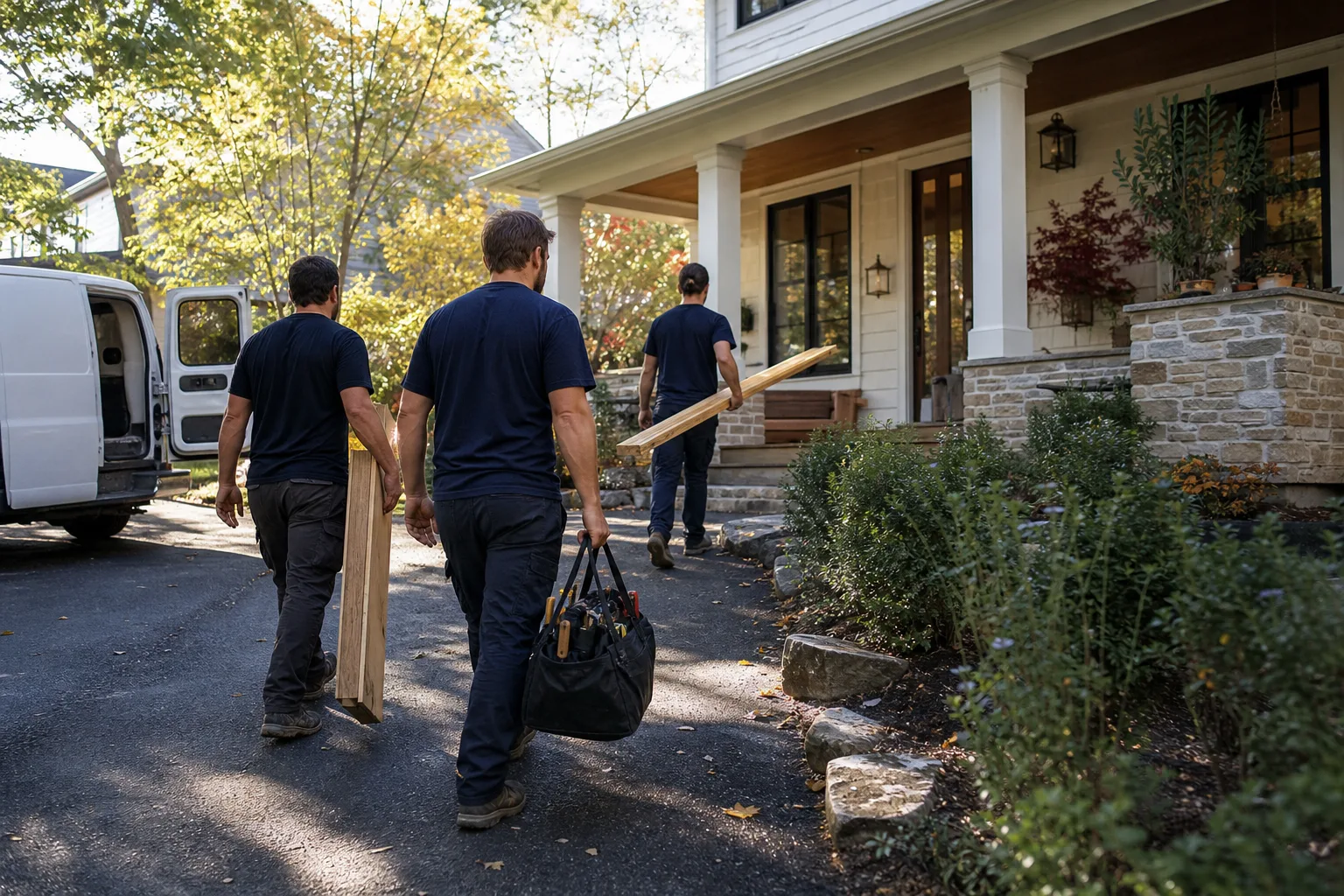
- The name of the technician. Background-checked, uniformed, and accountable by name, not by company alone.
Most insurance adjusters and home inspectors look favorably on a continuous maintenance record. It signals that the home was not neglected, and in this climate, neglect is what turns a small water intrusion into a large claim. Keep these documents in a folder, digital or physical, and add to it every year.
Dry-Season Project Planning for West Palm Beach Homes
The dry season is not just for maintenance, it is for the projects maintenance reveals. In West Palm Beach, the best-run homes front-load every exterior project into the October-to-May window. Paint, exterior carpentry, window replacement, roof work, stucco repair, and paver sealing all perform better when the material has dry, moderate conditions to cure.
Here is a simple sequencing rule we use. October through December: schedule the projects that involve adhesives, sealants, and paint, which need cooler, drier air to cure properly. January through March: schedule the projects that involve heavy material handling and structural work, which benefit from the most predictable weather window. April and May: schedule the projects that are smaller in scope and can finish before the June humidity arrives. Then reserve June through September for interior work only, which is why our Kitchen Remodeling in West Palm Beach calendar often books indoor cabinetry and countertop work during the humid months when exterior work pauses.
This sequencing also controls cost. Contractors in this market schedule exterior work heavily in the dry season, and booking your projects early in that window gives you more contractor availability and more predictable material delivery. By the time May arrives, the rush has started and you may wait longer for a crew.
Common Mistakes to Avoid
- Running a northern four-season checklist. West Palm Beach homes do not need fall furnace maintenance or winter pipe-wrap. They need a pre-June hurricane season inspection and a dry-season caulk audit. The wrong calendar means the right task at the wrong time.
- Using acrylic latex caulk on exterior joints. It fails within 18 months under Florida UV, and the failure point is exactly where water gets in. Use polyurethane, silicone, or polyether for exterior work here.
- Skipping soffit vent inspections. Most homeowners never look at soffit vents, but in West Palm Beach, a shifted vent lets wind-driven rain straight into the attic, and the mold that follows blooms before you see the first ceiling stain.
- Waiting until a storm is forecast to check impact windows. Once a storm is forecast, you cannot order parts, schedule a contractor, or complete a repair before landfall. The tolerance check belongs in May, every May.
- Not keeping maintenance records. A home without a maintenance record looks like a neglected home to an insurance adjuster or a buyer’s inspector, and that costs you real money in a claim or a sale.
- Ignoring the east and southeast elevations. Those are the walls that take the hardest wind-driven rain in Palm Beach County, and they fail first. Check their caulk, paint, and fasteners before any other elevation.
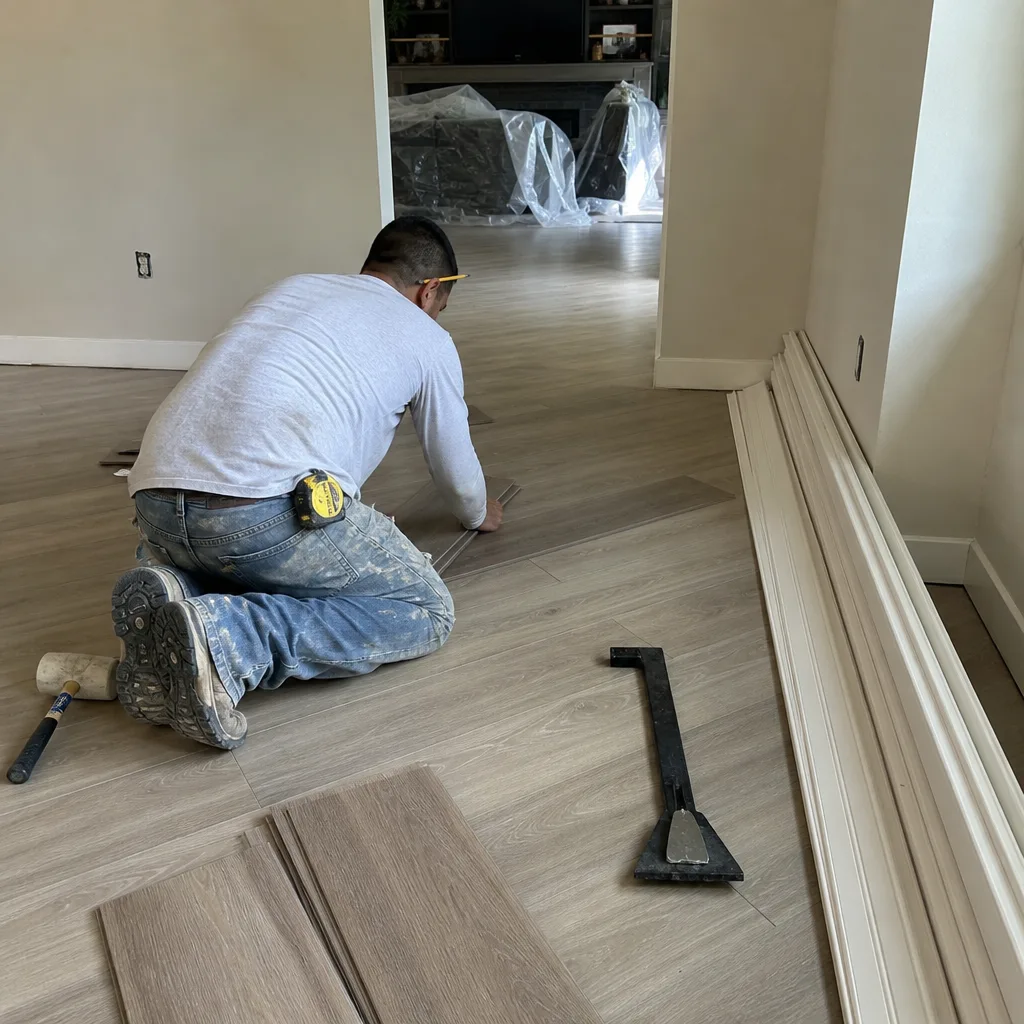
- Treating flooring and finish materials as interchangeable with humid-climate requirements. Humidity in West Palm Beach expands and contracts every material in the house. Choose materials that tolerate the moisture swing, and install them with the right underlayment and vapor management.
When to Call a Professional
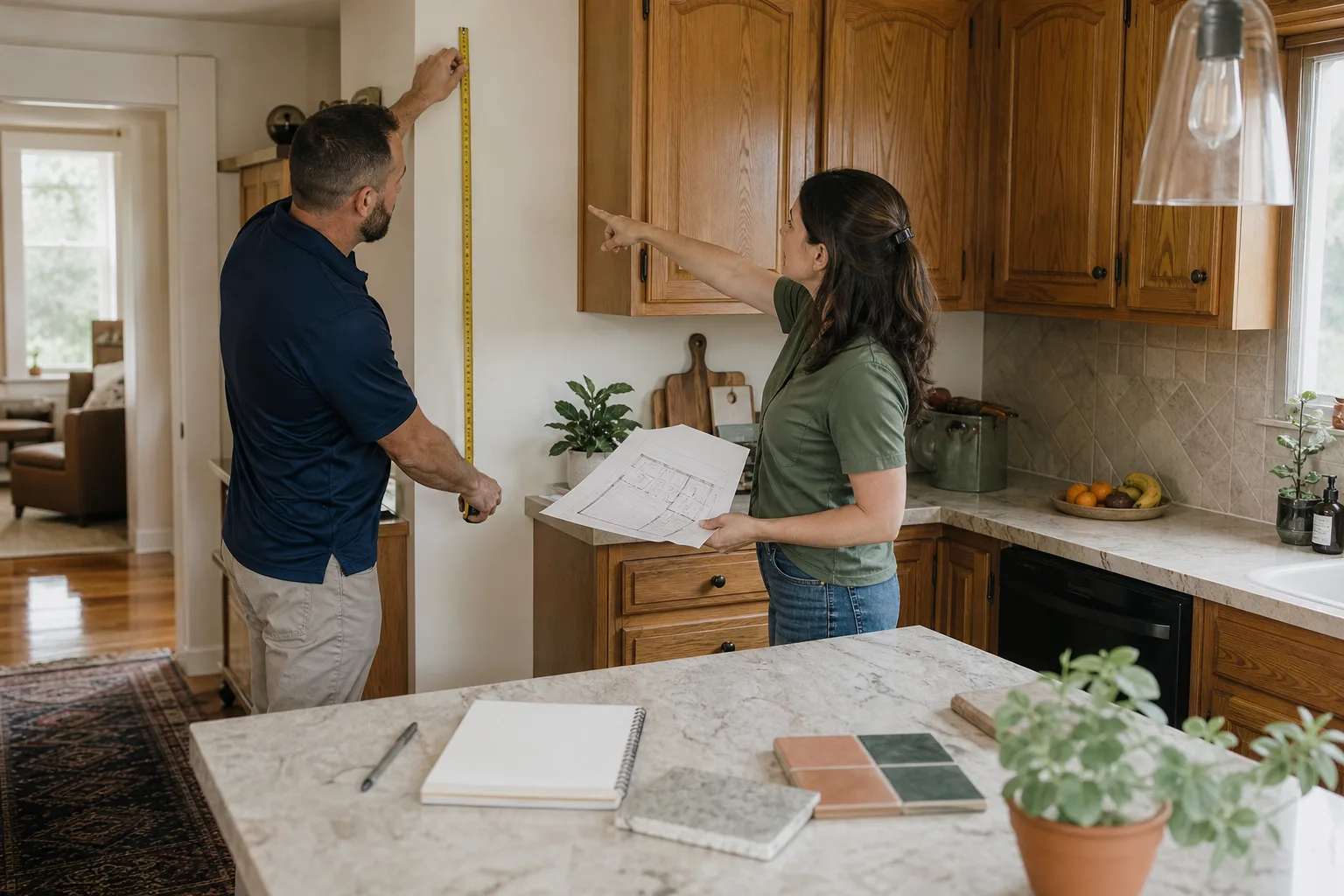
Call a general contractor when you find water stains on ceilings or walls that repeat or grow, when any impact window or door has visibly shifted in its opening, when roof fasteners have backed out across more than one or two locations, when soffit vents are cracked or displaced, or when you see mold anywhere near a window, door, or roofline. These conditions are symptoms of a larger issue that a tube of caulk cannot fix, and the longer they sit, the more expensive the repair becomes. If you want a written assessment of your home’s condition before the next rainy season, Elmstead Remodeling West Palm Beach offers free estimates across West Palm Beach. Call us at (728) 203-3270 and we will walk your home with you, write down what we find, and give you a plan.
Frequently Asked Questions
A contractor-grade maintenance inspection in West Palm Beach typically costs between $150 and $400, depending on the square footage, the number of impact openings, and whether the inspection includes a roof walk. If you schedule the inspection alongside a repair project, many contractors fold the inspection fee into the repair cost. Call (728) 203-3270 for a written quote specific to your home, estimates are free.
The best time to have your roof inspected in Florida is in March or April, before the June 1 hurricane season opening and before the afternoon storm pattern returns. This gives you enough time to schedule repairs before the rains arrive. A second, lighter post-storm check in November catches any loosening from the season’s storms.
Yes, impact windows need annual maintenance, but not the same kind as ordinary windows. The critical check is the installation tolerance: gaps around the frame, smoothness of operation, sealant condition, and hardware function. Impact windows that have shifted in their frames no longer perform to their wind rating, even if the glass is intact.
The biggest maintenance mistake we see is skipping the pre-June exterior inspection, especially the roof fasteners, soffit vents, and window caulk. These three areas are where most hidden water intrusion begins in West Palm Beach homes, and all three are quick and inexpensive to address when caught early.
Exterior caulk and sealant in South Florida should be inspected every year and re-applied whenever cracks, separations, or voids appear. In this climate, even a high-quality exterior sealant rarely performs well beyond three to five years, and the cheaper products fail within 18 months. Annual inspection catches the failures before water does.
Most routine maintenance tasks, such as caulking, painting, gutter cleaning, and hardware replacement, do not require a permit in West Palm Beach. However, structural repairs, window or door replacement, roof work, and any change to electrical, plumbing, or mechanical systems typically do. A qualified general contractor will tell you which permits apply and will pull them before work begins.
Before June 1, complete a roof fastener and soffit vent inspection, check all impact windows and doors for tolerance shifts, re-caulk any open exterior joints, clean all gutters and drains, and confirm that your generator starts. Then review your maintenance records and insurance policy so the documentation is current before the season starts.
The Bottom Line
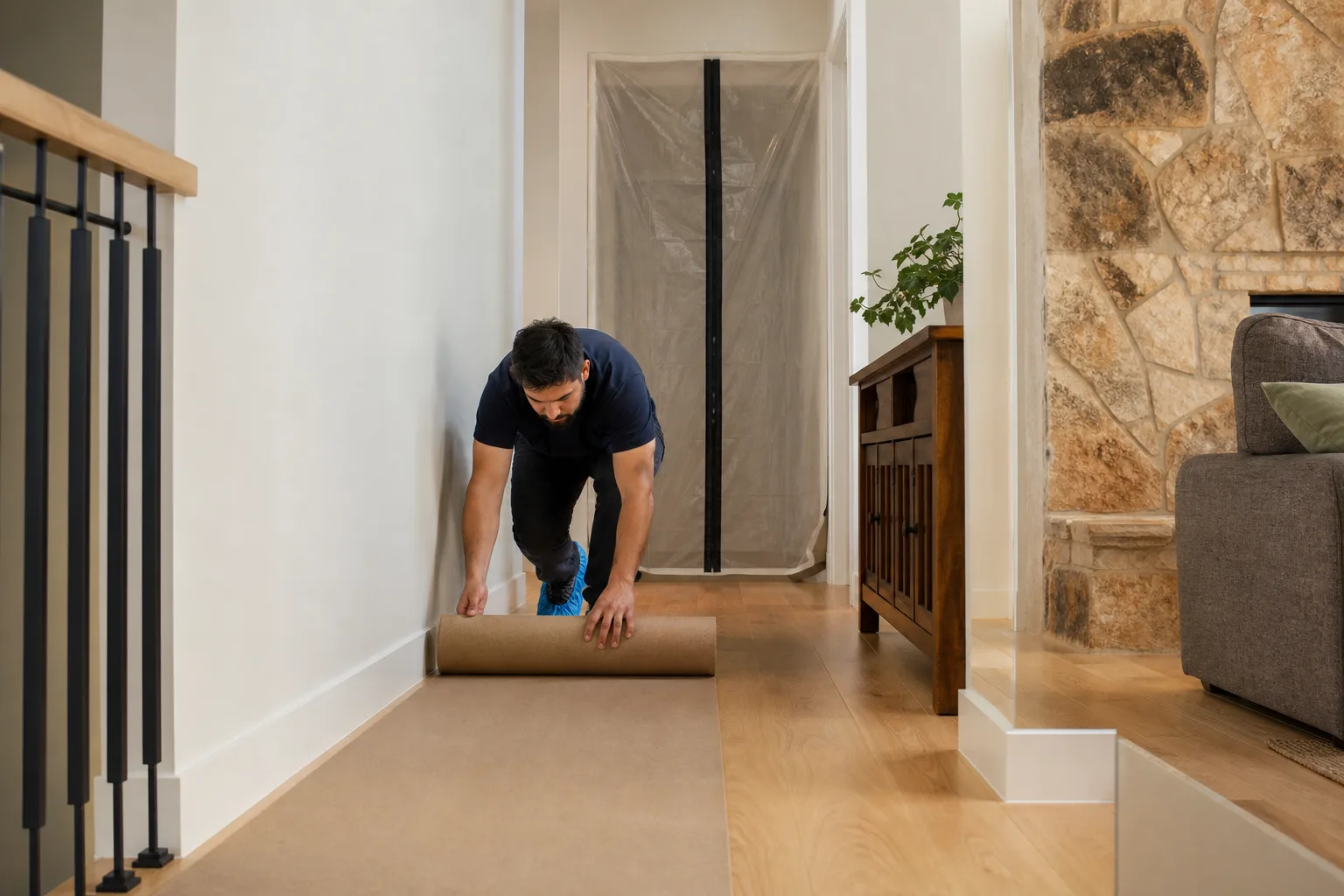
A West Palm Beach home lives on a two-season calendar, and the maintenance checklist that ignores that reality is not a checklist; it is a false reassurance. The real work happens in May, before the humidity and storms arrive, and again in November, after the season has passed. Check your roof fasteners and soffit vents before June 1. Inspect your impact windows and doors for tolerance shifts every single year. Use only exterior sealants that hold up under Florida UV. Write down what you did and what you found. And if the inspection turns up something you do not want to handle on a ladder, call us at (728) 203-3270, or explore more guides & resources on our blog. Elmstead Remodeling West Palm Beach provides free estimates across the city, and every visit comes with a written price before work starts, shoe covers and drop cloths on every trip inside, and a photograph of the clean-up before the crew leaves.
Written by Graham Stein, Owner at Elmstead Remodeling West Palm Beach, serving West Palm Beach since 2005.
See the difference
 Before
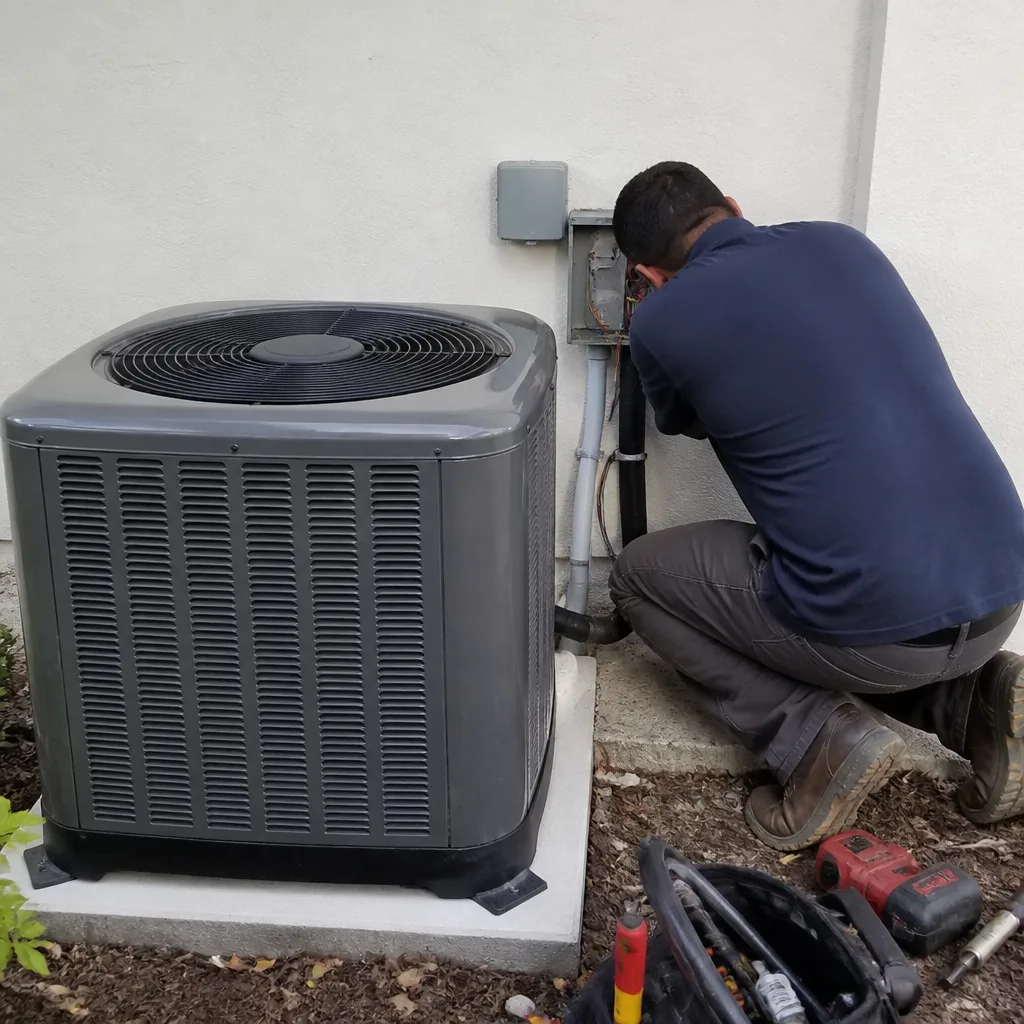 After
After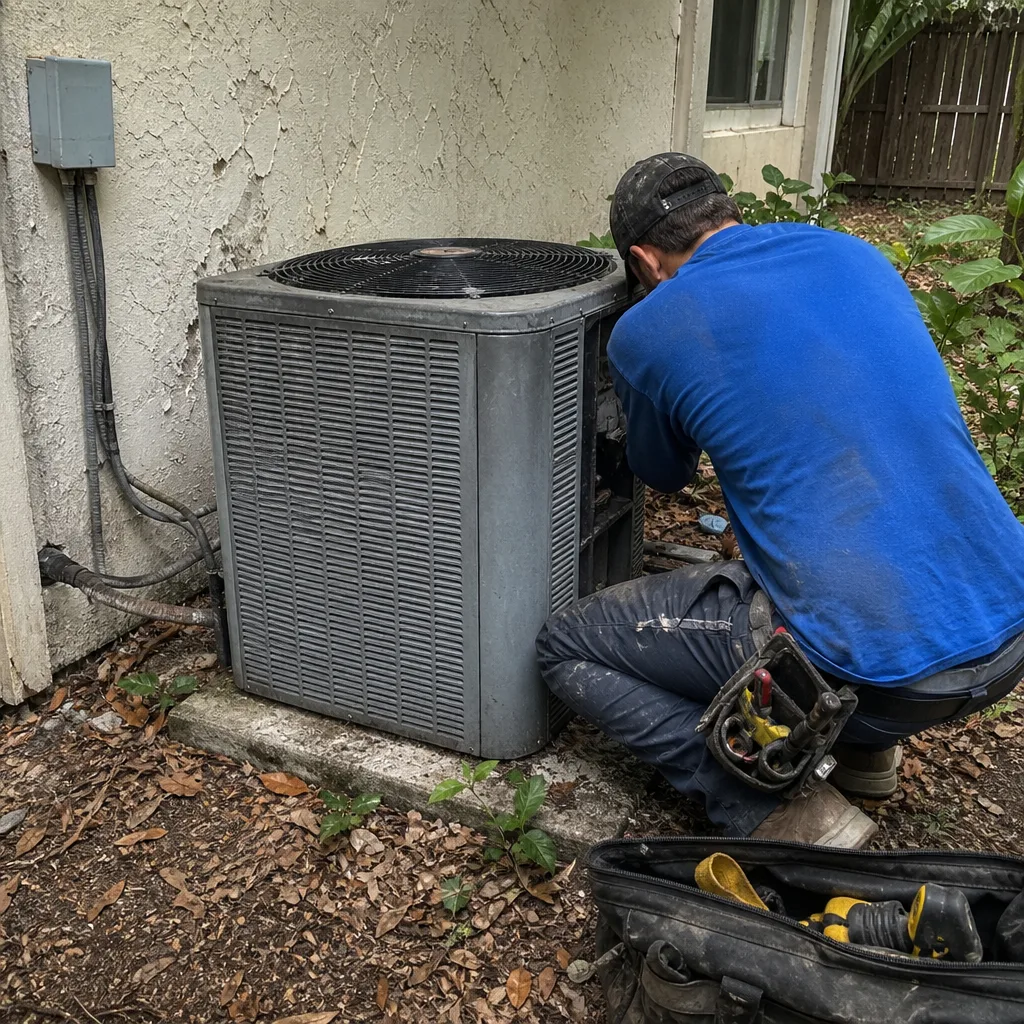 Before
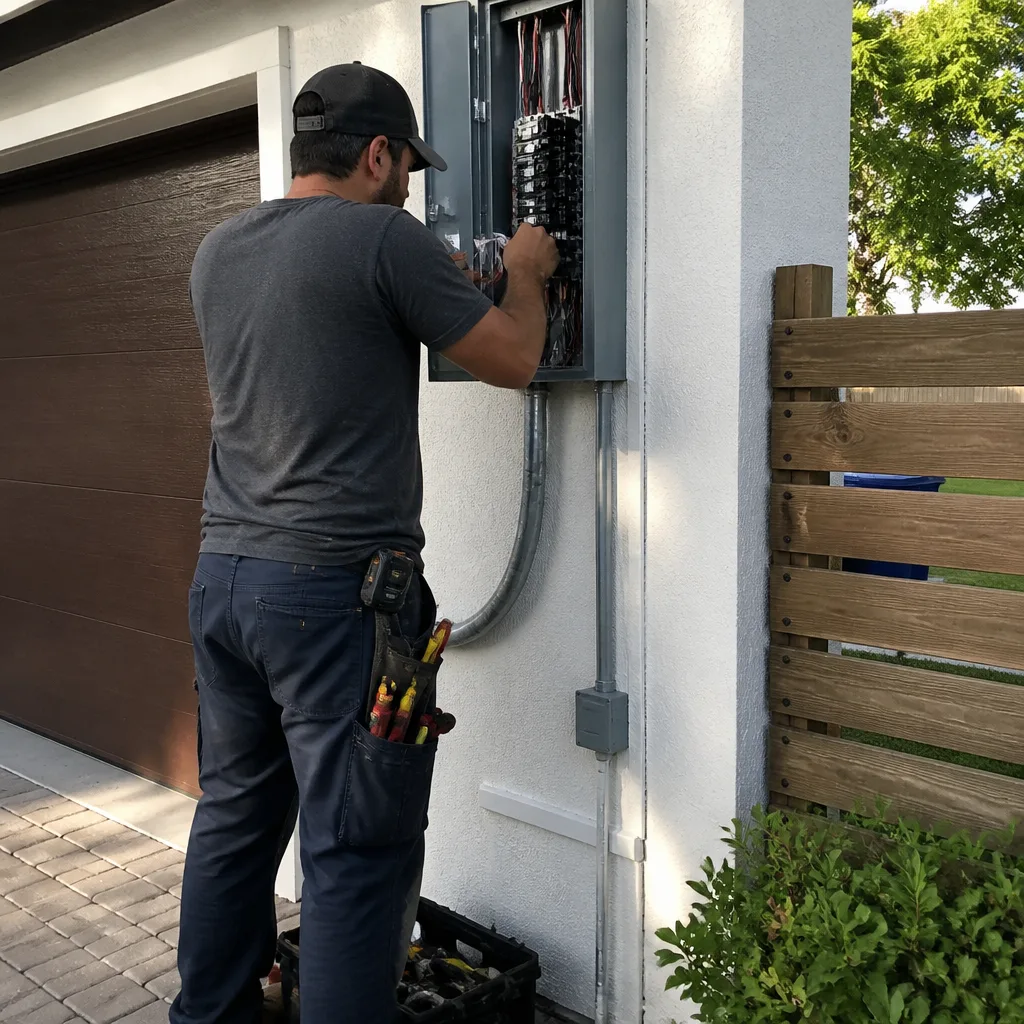 After
After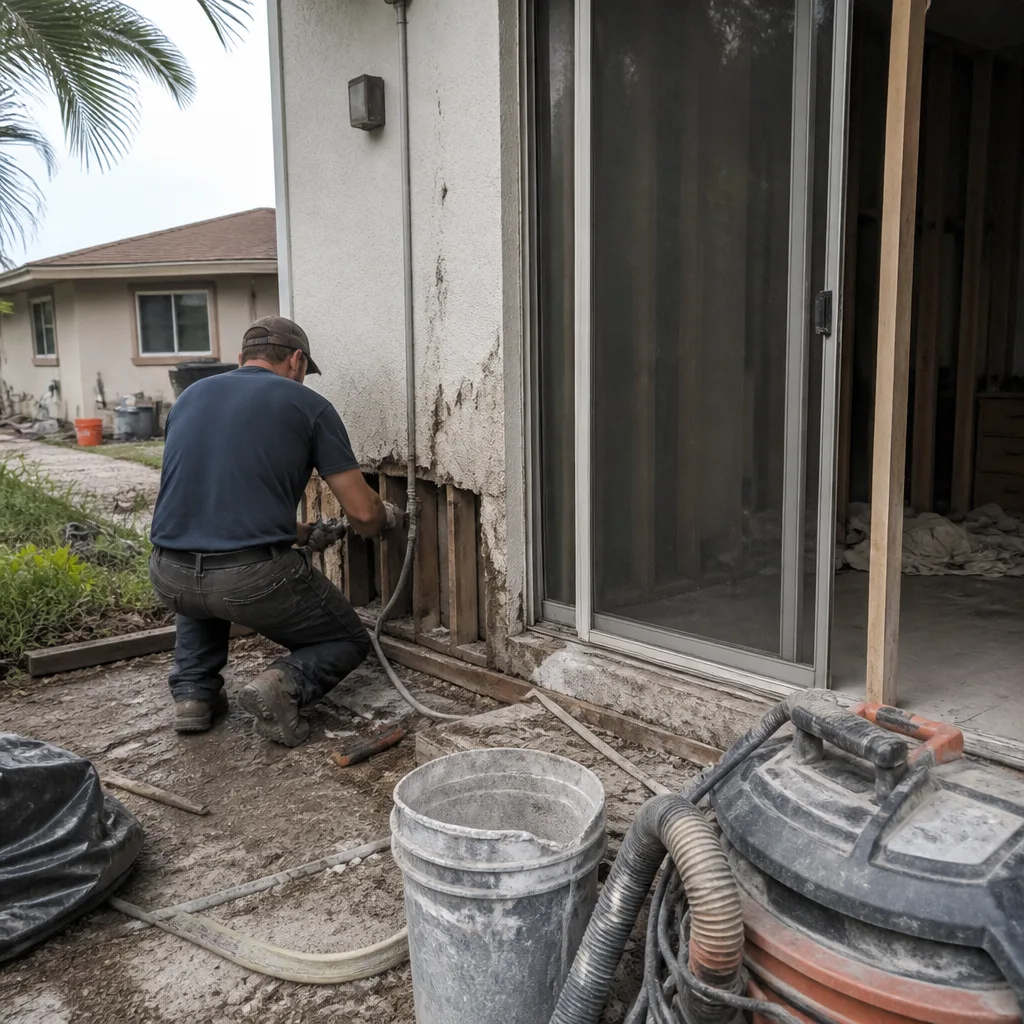 Before
 After
After