Last updated October 15, 2026
Free written scope consultation - allowances, timeline, and change-order rules on paper before a single trade is scheduled
The Complete Guide to Construction in West Palm Beach
West Palm Beach issued more than 14,000 building permits in a single recent year, yet the city’s own permit portal lists average review times that can stretch past 30 days for structural work – a delay most contractors quote around rather than warn you about. This guide is different. We’re going to walk you through the realities of construction in West Palm Beach the way they actually unfold: the salt air eating at fasteners, the hurricane codes that dictate which window you can buy, the permit counter that works on its own clock, and the neighborhood-specific rules that can stop a project before it starts. By the time you finish reading, you’ll know what to expect, what to ask, and what should never be left out of a contract here. For more guides & resources on building in South Florida, explore our blog.
Styles & brands we work with
Quick Answer
Construction in West Palm Beach, FL means building within a coastal high-velocity hurricane zone under the Florida Building Code, which shapes everything from which windows are legal to how long permits take. A typical project here requires city or county permits (30+ days for structural review), materials rated for salt-air corrosion and wind uplift, and a contractor who understands the inspection sequence. Costs run higher than inland Florida – roughly $150 to $400 per square foot depending on scope – because of code compliance, not contractor markup.
Table of Contents
- Permits in West Palm Beach: City vs. County – Which One Governs Your Address
- Salt Air and Coastal Corrosion: What It Means for Your Material Choices
- Florida’s High-Velocity Hurricane Zone: Why Your Windows and Roof Are Different Here
- The 2021 Florida Building Code: What Changed for Projects Starting in 2025 – 2026
- How to Sequence a Remodel So Inspections Don’t Create Domino Delays
- What Construction Costs in West Palm Beach: Real Numbers for 2025 – 2026
- Material Brands That Hold Up in This Climate
- Common Mistakes to Avoid
- When to Call a Professional
- Frequently Asked Questions
- The Bottom Line
Permits in West Palm Beach: City vs. County – Which One Governs Your Address
Here’s something most homeowners in West Palm Beach don’t realize until they’re standing at the wrong permit counter: your address might say “West Palm Beach,” but that doesn’t automatically mean you pull permits from the city. Palm Beach County has dozens of unincorporated pockets surrounded by city limits. Same ZIP code, same school district, same “West Palm Beach” on the mail – but an entirely different permitting body, fee schedule, and review timeline. The city of West Palm Beach handles permits within its municipal boundary. Unincorporated areas fall under Palm Beach County’s Building Division. Some addresses near the edges, like parts of Westgate or neighborhoods along Okeechobee Boulevard, sit in the county’s jurisdiction even though they’re minutes from downtown.
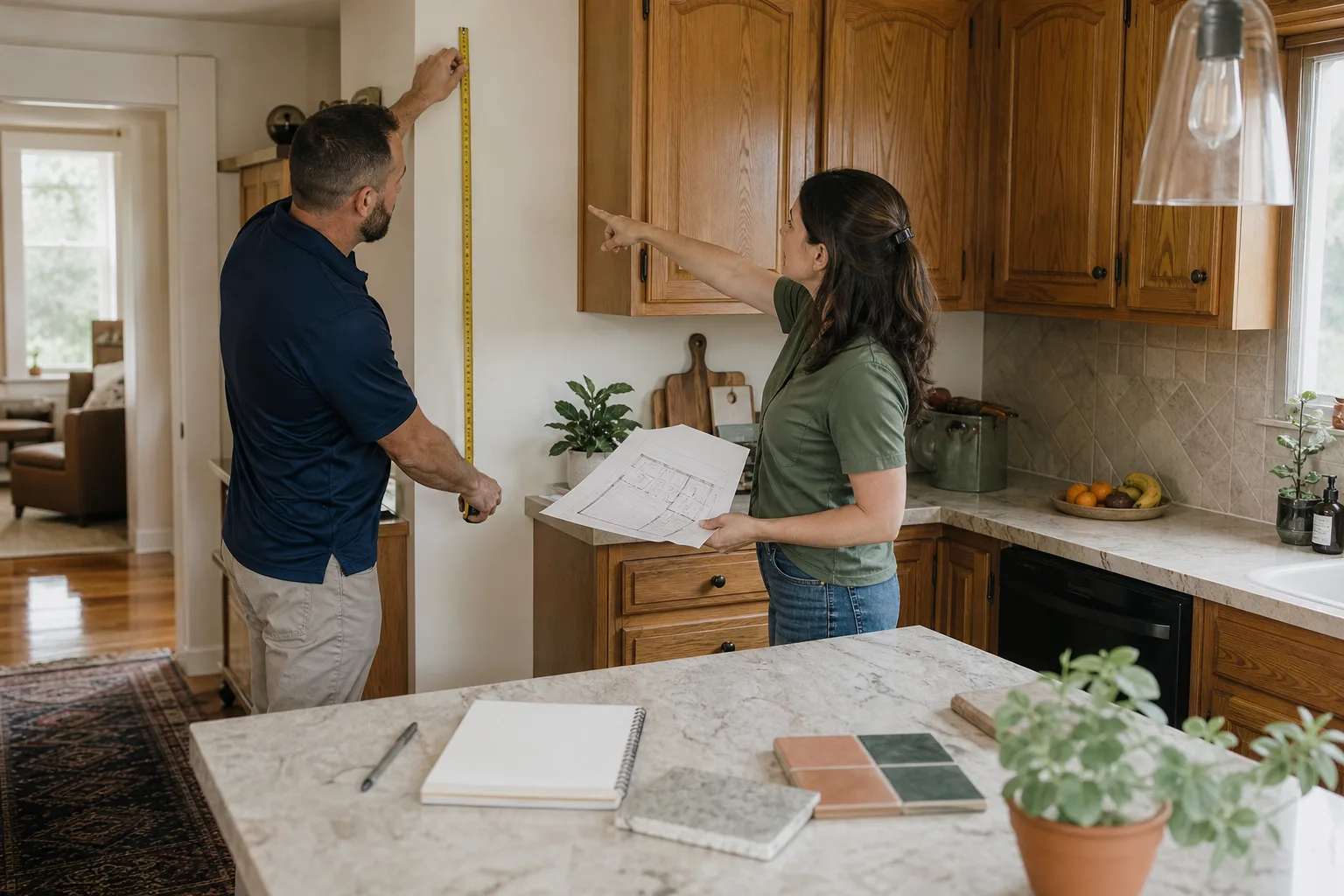
Why does this matter? Because the two processes are not interchangeable. The city uses an online portal with plan review for structural work. The county requires similar submission but runs on a different review queue. A kitchen remodel that needs plumbing and electrical permits might clear the county in three weeks and the city in five, or the reverse, depending on volume. We’ve had projects where the difference between city and county permitting was the single largest variable in the schedule. Before you sign a contract, ask one question: “Which permit office governs this address, and have you pulled from them before?” If the contractor hesitates, that’s a signal. You can verify jurisdiction yourself by entering the address on the city’s website or calling the county building division.
Our team at General Contractor in West Palm Beach pulls permits weekly from both agencies. The forms are similar. The rhythm is not. Knowing which one applies to your home before the project starts saves weeks of waiting.
Salt Air and Coastal Corrosion: What It Means for Your Material Choices
West Palm Beach sits about five miles from the Atlantic, and the air moving over the Intracoastal and through the neighborhoods carries salt. Not enough to taste, but over a decade, enough to matter. We’ve opened walls in homes here and found fasteners that looked like they’d been soaked in vinegar – rust blooming around screws, nails reduced to orange dust, brackets that crumbled when tapped. This is the quiet, patient work of chloride ions in coastal air, and it shapes every material decision in construction here.
The first rule: stainless steel or hot-dip galvanized fasteners for anything exterior, and for anything interior that lives in a bathroom, laundry, or near a window. Standard electro-galvanized hardware will fail. We specify stainless steel screws for exterior trim, deck framing, and fence hardware. For framing lumber near the coast, pressure-treated or naturally rot-resistant species hold better than untreated pine. But the bigger conversation is exterior finishes. Salt air accelerates paint failure, corrodes aluminum window frames without proper coating, and eats through builder-grade flashing inside five to seven years. Products from James Hardie – fiber cement siding and trim – resist salt-driven rot and hold their finish longer than wood in this zone. We recommend them for coastal homes because we’ve seen what untreated wood looks like after three hurricane seasons.
For homeowners near the water – Flamingo Park, El Cid, Prospect Park, the older neighborhoods east of Olive Avenue – salt corrosion is not hypothetical. It’s why the original 1920s homes still standing have heart-pine framing: the species resisted what the salt was doing, and the good bones are why we can remodel them today. When you’re choosing a contractor, ask what fasteners they’re buying. If the answer is “whatever the box has,” walk away. The right answer is a specific grade of stainless or galvanized steel, written into the contract.
Florida’s High-Velocity Hurricane Zone: Why Your Windows and Roof Are Different Here
Palm Beach County sits inside Florida’s High-Velocity Hurricane Zone (HVHZ), a designation shared with Miami-Dade and Broward. What that means practically: the building products legal for a home in Orlando are not necessarily legal for a home in West Palm Beach. The HVHZ code requires windows, doors, roofing, and structural connectors to withstand higher wind pressures and missile impacts. A window that clears code in Tampa won’t be approved here unless it carries the proper Miami-Dade NOA (Notice of Acceptance) or Florida Product Approval listing.
For a homeowner, this changes two things. First, materials cost more. An impact-rated window that passes HVHZ testing runs 30 to 50 percent above a standard impact window. That’s not markup – that’s the cost of tempered laminate glass and reinforced frames that survive a 2×4 fired at 50 feet per second. Second, roof replacement must use products with an HVHZ approval. The underlayment, the shingle or tile, the adhesive pattern – all specified differently than inland Florida. Contractors who work primarily in other parts of the state sometimes learn this at the plan review stage, and the project stalls while they swap out materials.
We’ve had clients in West Palm Beach ask why their quote came in higher than a cousin’s identical-sized project in Jacksonville. The answer is always the same: the cousin isn’t building under HVHZ rules. When you compare bids, make sure both contractors are quoting HVHZ-compliant materials. If one bid is dramatically lower, ask for the product approval numbers. If they can’t produce them, the bid is for a house that won’t pass inspection in Palm Beach County.
The 2021 Florida Building Code: What Changed for Projects Starting in 2025 – 2026
The 2021 Florida Building Code (8th Edition) took effect at the end of 2023, and its provisions now govern every permit application in West Palm Beach. Homes built under older codes – the 2017 edition, or earlier – carry systems that may not meet current requirements when you remodel. The most relevant changes for homeowners:
- Wind-load requirements tightened for roof-to-wall connections. If you’re replacing a roof or opening walls, the new code may require straps, clips, or ties that weren’t present on the original structure.
- Insulation and energy efficiency standards increased. New wall, ceiling, and duct insulation values changed, which means remodeled portions of the home must meet the new numbers even if the rest of the house doesn’t.
- Electrical requirements expanded for surge protection and arc-fault circuit interrupters. A panel change or circuit addition triggers compliance with the new rules.
- Impact glazing requirements were refined. The 2021 code clarified when existing windows must be brought up to HVHZ standards during a remodel.
Here’s what this means in practice. A homeowner takes down a wall to open the kitchen. The permit reviewer asks for drawings showing the roof-to-wall connection at that point. The existing house has none, because it was built in 1998 under a code that didn’t require it. Now the project includes retrofitting that connection – engineered clips, new strapping, an inspection – adding a few hundred dollars and a day of work. That’s not a contractor inventing scope. That’s the 2021 Florida Building Code applying to a house built under older rules. We flag these triggers before we write the contract because we’d rather have the conversation before the wall comes down than after the inspector leaves a red tag.
How to Sequence a Remodel So Inspections Don’t Create Domino Delays
In West Palm Beach, an inspection is not a formality. It’s a gate. The framing inspector will not sign off until the plumbing and electrical rough-in inspections are closed. The drywall crew cannot hang board until the framing and insulation inspections pass. The cabinet installer waits on the drywall inspection. Every trade depends on the sign-off from the trade before it, and the permit office schedules inspections on its own clock – usually a next-day or two-day window, sometimes longer after storms or permit surges.
The way to avoid domino delays is to sequence the work so no crew is sitting idle waiting on an inspector. Here’s the order we run on Kitchen Remodeling in West Palm Beach projects:
- Demo and structural rough-in. Remove what’s being removed. Complete any framing changes, wall removals, or window replacements. Schedule the structural inspection.
- Electrical and plumbing rough-in. After structural passes, wire the walls and run the plumbing. Schedule both rough-in inspections the same day.
- Insulation and drywall. Once rough-in passes, insulate. Schedule the insulation inspection. After it passes, hang drywall the next day. Schedule the drywall inspection.
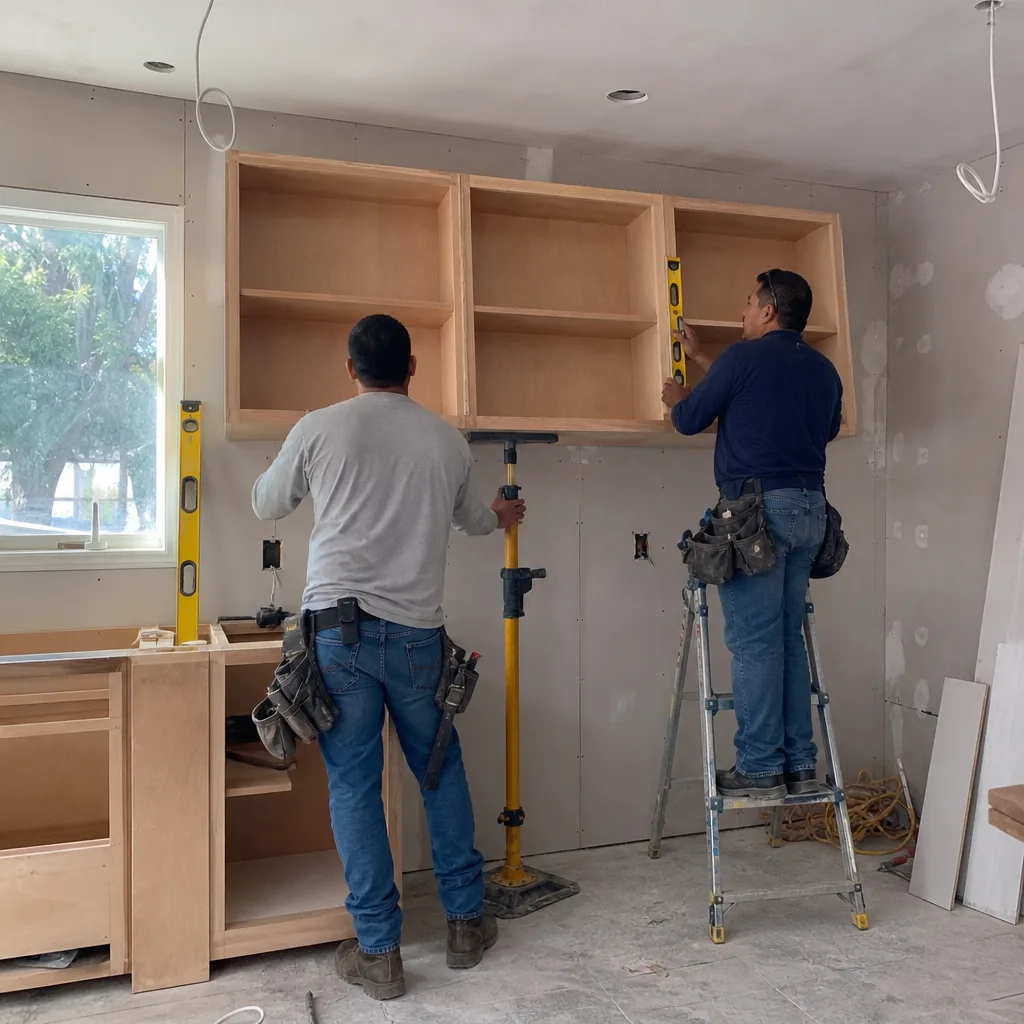
- Finish surfaces. After drywall passes, tile, paint, and trim. Cabinets go in. Countertops template and install.
- Final fixtures and final inspection. Set sinks, faucets, lights, and appliances. Schedule the final inspection. Only after it passes does the permit close.
The sequence itself is not complicated. What trips up projects is a contractor who schedules the next trade before the inspection passes, then has to reschedule the trade, which pushes the next inspection, which pushes the next trade. The fix is simple: leave buffer days after every inspection. A contractor who says “we’ll complete it faster” by overlapping inspections is almost always wrong in Palm Beach County. The permitting office does not compress its queue because your kitchen is torn apart.
What Construction Costs in West Palm Beach: Real Numbers for 2025 – 2026
Construction costs in West Palm Beach run higher than the Florida average, and the reason is not labor greed. It’s code compliance, material specifications, and permit load. For a detailed look at where your money goes, see our Construction Cost Breakdown: The West Palm Beach Homeowner’s Reference for 2026. Here are the ranges we quote for common project types in this market:
- Bathroom remodel: $18,000 to $45,000 for a full gut and rebuild of a standard 5×8 hall bath, including plumbing, electrical, waterproofing, tile, and fixtures.
- Kitchen remodel: $35,000 to $85,000 depending on cabinet quality, countertop material, appliance level, and whether walls move. A mid-range kitchen with KraftMaid or Wellborn cabinets, quartz counters, and standard appliances lands between $45,000 and $65,000.
- Whole-home remodel: $150 to $300 per square foot for substantial renovation, with the range driven by structural changes, window replacement, and finish level.
- Roof replacement: $12,000 to $30,000 depending on roof size and HVHZ-rated material choice.
- Impact window replacement: $800 to $1,800 per opening, with the range driven by window size and product approval level.
These numbers reflect the West Palm Beach market in 2025 – 2026. They include permits, but not structural surprises found after demo – and in older neighborhoods like Grandview Heights or Sunshine Park, surprises are common. Homes built before 1970 often have cast-iron drain lines, knob-and-tube wiring, or undersized framing. The right contract names these possibilities upfront and gives a process for handling them, rather than springing them as change orders after the wall is open. We write a fixed price before any work starts, and when we find something in the wall, we explain it in writing before we spend a dollar fixing it.
For a deeper breakdown of what goes into a Bathroom Remodeling in West Palm Beach budget, we’ve published separate guides on material line items and local labor costs.
Material Brands That Hold Up in This Climate
In a coastal, humid, hurricane-exposed climate, brand names are not vanity. They’re a way to verify that the product on your truck is the product tested for this environment. We work with brands whose warranties mean something in Palm Beach County:
- James Hardie fiber cement siding and trim – resists rot, salt-driven corrosion, and termites, with a 30-year non-prorated warranty.
- KraftMaid and Wellborn cabinets – plywood boxes and dovetail joinery that hold up in humidity where particleboard swells and fails.
- Cambria and Silestone quartz countertops – non-porous surfaces that don’t absorb humidity, spills, or salt residue.
- Kohler, Moen, and Grohe fixtures – finish durability tested for coastal environments, with manufacturer warranties that travel with the home.
- Schluter waterproofing systems for showers and wet areas – required under tile in Florida code, and the product we use because its warranty covers the full assembly, not just the membrane.
You can verify every one of these brands independently. Look up the warranty, the product approval, the track record. That’s the point. A contractor who uses nameless materials is asking you to trust their word alone. A contractor who names the product is giving you something to check. We’d rather you check.
Common Mistakes to Avoid
- Assuming “West Palm Beach” means city permits. Many addresses in the area fall under unincorporated Palm Beach County. Verify jurisdiction before you sign anything, because the timeline and fees differ.
- Choosing windows and roofing without HVHZ approval numbers. Products legal elsewhere in Florida may not pass plan review here. Ask for the Florida Product Approval number before you pay a deposit.
- Ignoring the inspection sequence. Scheduling trades back-to-back without buffer days for inspections creates cascading delays. Plan for two business days between inspection and next trade.
- Accepting a low bid without comparing material specs. A 20 percent lower bid often means non-HVHZ windows, builder-grade cabinets, or no waterproofing membrane. Ask what’s in the bid, not just what it costs.
- Not asking about fastener grade. In salt air, the wrong screw fails in five years. The contract should name the fastener spec for exterior work.
- Signing a contract without a written price. In West Palm Beach, where code triggers and hidden conditions are common, a verbal estimate is a blank check. Get the price in writing before the first tool comes out.
When to Call a Professional
Some projects you can do yourself. Painting a bedroom, swapping a faucet, patching drywall – those are weekend jobs. But when the work touches structure, waterproofing, electrical, or anything the inspector will look at, the risk of doing it wrong in this climate and under this code is expensive to undo. If your project needs a permit, call someone who pulls them routinely. If it involves a window opening, a wall removal, a shower pan, a panel change, or a roof repair – call before you touch it. A mistake here isn’t just a bad paint job; it’s a failed inspection, a rejected plan review, or a leak that hides behind tile until the framing rots. Elmstead Remodeling West Palm Beach home offers free estimates in West Palm Beach – call (728) 203-3270 and tell us what you’re planning. We’ll tell you what it involves, in writing, before anything starts.
Frequently Asked Questions
Plan review for structural work in West Palm Beach typically takes 2 to 6 weeks depending on project scope, permit volume, and whether the submittal is complete. Simple trades like a water heater or a re-roof can clear faster; anything involving structural changes, window replacement, or new square footage runs longer. Call (728) 203-3270 and we’ll tell you where your project falls.
Yes, if the remodel touches plumbing, electrical, structural walls, or windows. A cabinet swap with no other changes may not require one, but the moment you move a sink, add a circuit, remove a wall, or change a window, you’re pulling permits. We pull them on every project, and the price includes the permit fees.
Substantial renovation in West Palm Beach runs $150 to $300 per square foot depending on scope, with whole-home remodels landing in the middle to upper range. Small rooms cost more per square foot because fixed costs like permits and setup spread across less area. Call (728) 203-3270 for a written price on your specific project.
West Palm Beach sits in the High-Velocity Hurricane Zone, which requires windows to pass stricter wind and missile-impact testing than products used in inland Florida. The added cost comes from tempered laminate glass, reinforced frames, and the product approval process – not from contractor markup.
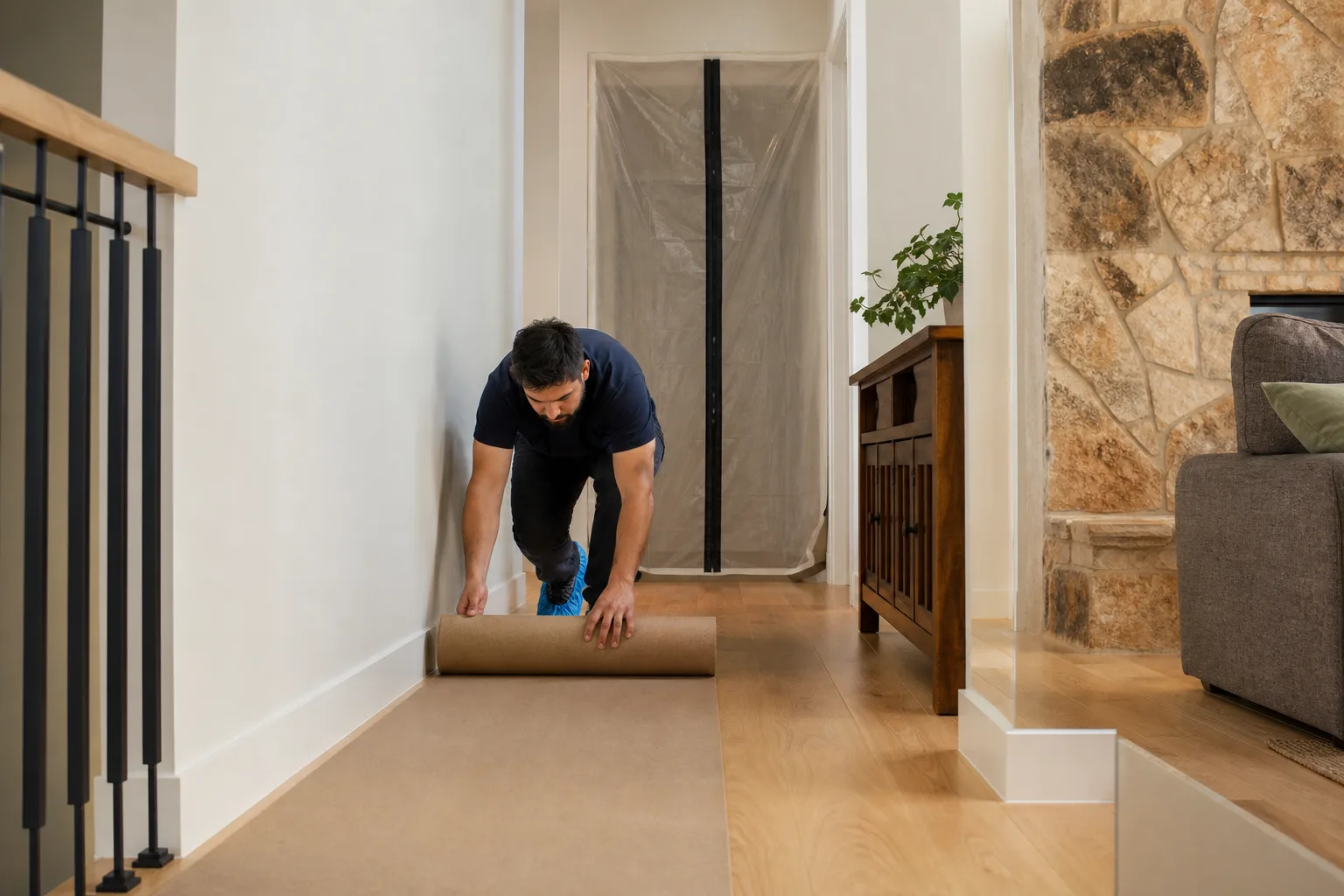
Yes, and most families in West Palm Beach do. The key is the contractor’s clean-up routine: drop cloths on the floors, shoe covers at the door, dust barriers, and quiet tools during children’s sleep hours. We include all of it on every project and take a photo of the clean-up before the crew leaves – every day.
Not if the contract is written honestly. A written price before work starts should cover the defined scope, with a clear process for handling anything unexpected found after demo. We give every Elmstead Remodeling West Palm Beach client a fixed written price, and if we open a wall and find something we couldn’t have known about, we explain it in writing before we spend a dollar. Call (728) 203-3270 for an exact quote – estimates are free.
The Bottom Line
Construction in West Palm Beach is a different animal than most of Florida. The salt air, the hurricane code, the city-county permit split, and the older housing stock in neighborhoods like El Cid and Grandview Heights all shape what gets built, what it costs, and how long it takes. The homeowners who get the best results are the ones who ask about jurisdiction, product approvals, fastener grades, and the inspection sequence – before the shovel touches the ground. Learn what else to watch for in our Construction Warning Signs: A West Palm Beach Homeowner’s Reference Guide. You don’t need to be an expert in the Florida Building Code. You need a contractor who is, and who writes it all down. That’s the standard we hold at Elmstead Remodeling West Palm Beach: a written price, named materials, and a 365-Day Done Right Promise on every project. Call (728) 203-3270 and we’ll answer. A live person, not a voicemail.
Written by Graham Stein, Owner at Elmstead Remodeling West Palm Beach, serving West Palm Beach since 2005.
See the difference
 Before
 After
After Before
 After
After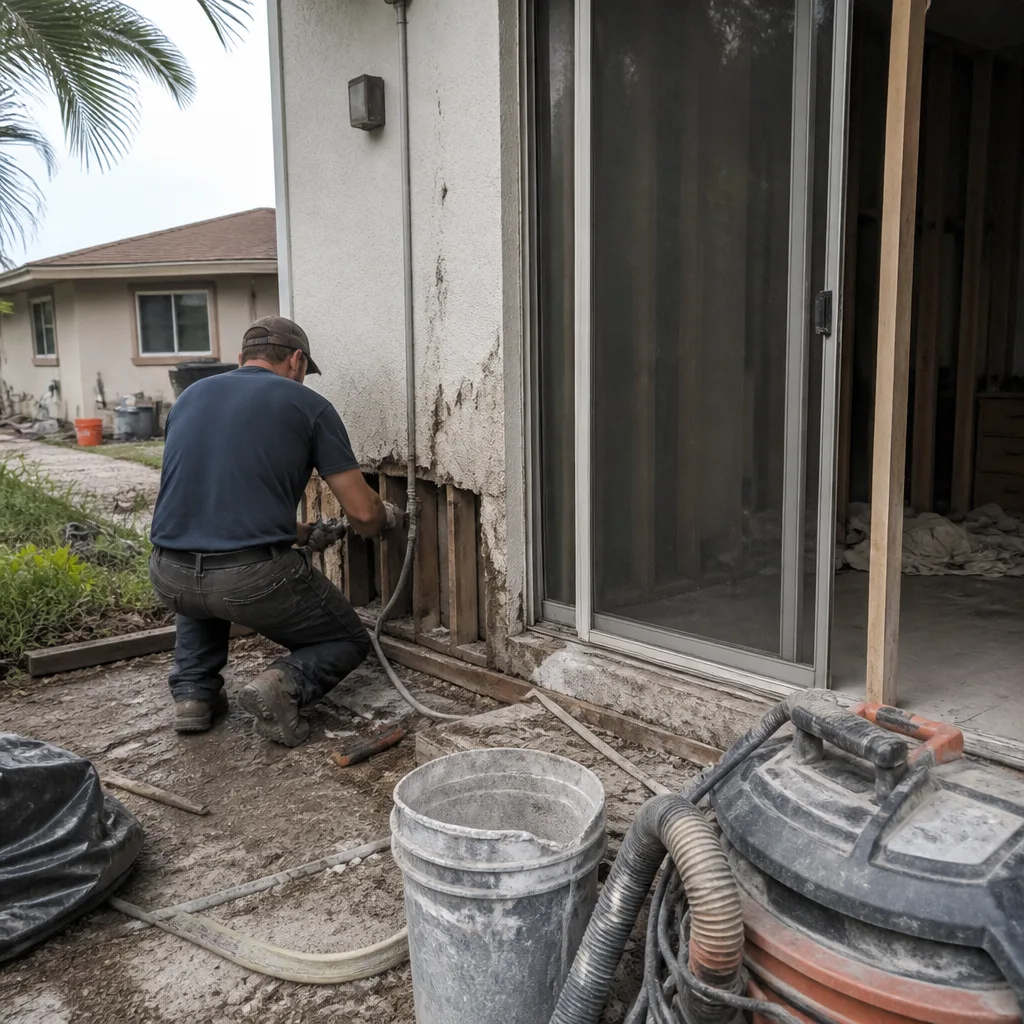 Before
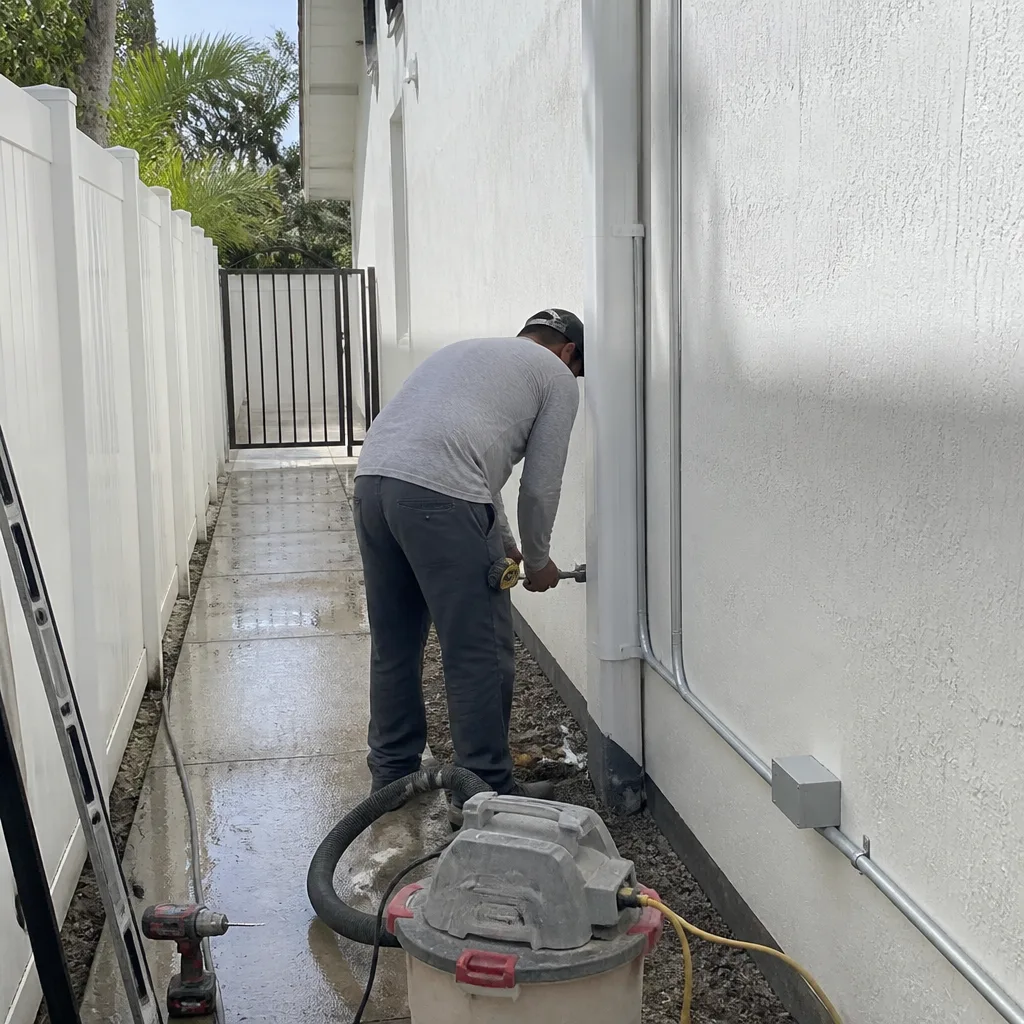 After
After