Last updated October 15, 2026

Free written scope consultation - allowances, timeline, and change-order rules on paper before a single trade is scheduled
DIY vs Professional Construction: The West Palm Beach Homeowner’s Decision Guide
Florida Statute 489.103 says a homeowner can act as their own general contractor on a primary residence. What it doesn’t say is that if you sell within one year of completing owner-built work, you must disclose that fact in writing to the buyer. And some Palm Beach County mortgage lenders now require re-inspection of all owner-permitted work before they’ll fund a loan. This guide draws the legal line between what you can do yourself in West Palm Beach, what you should do yourself, and what will cost you more than hiring a licensed contractor from the start. For step-by-step guidance on hiring a construction contractor in West Palm Beach, see our companion guide. You’ll learn which permits require a license by law, how DIY work affects your wind-mitigation insurance credit, and what a bathroom tile job actually costs when you factor in tool rental, waste, and your own time. You’ll also learn where the hidden costs of DIY hide, so you can decide with numbers instead of optimism.
Styles & brands we work with
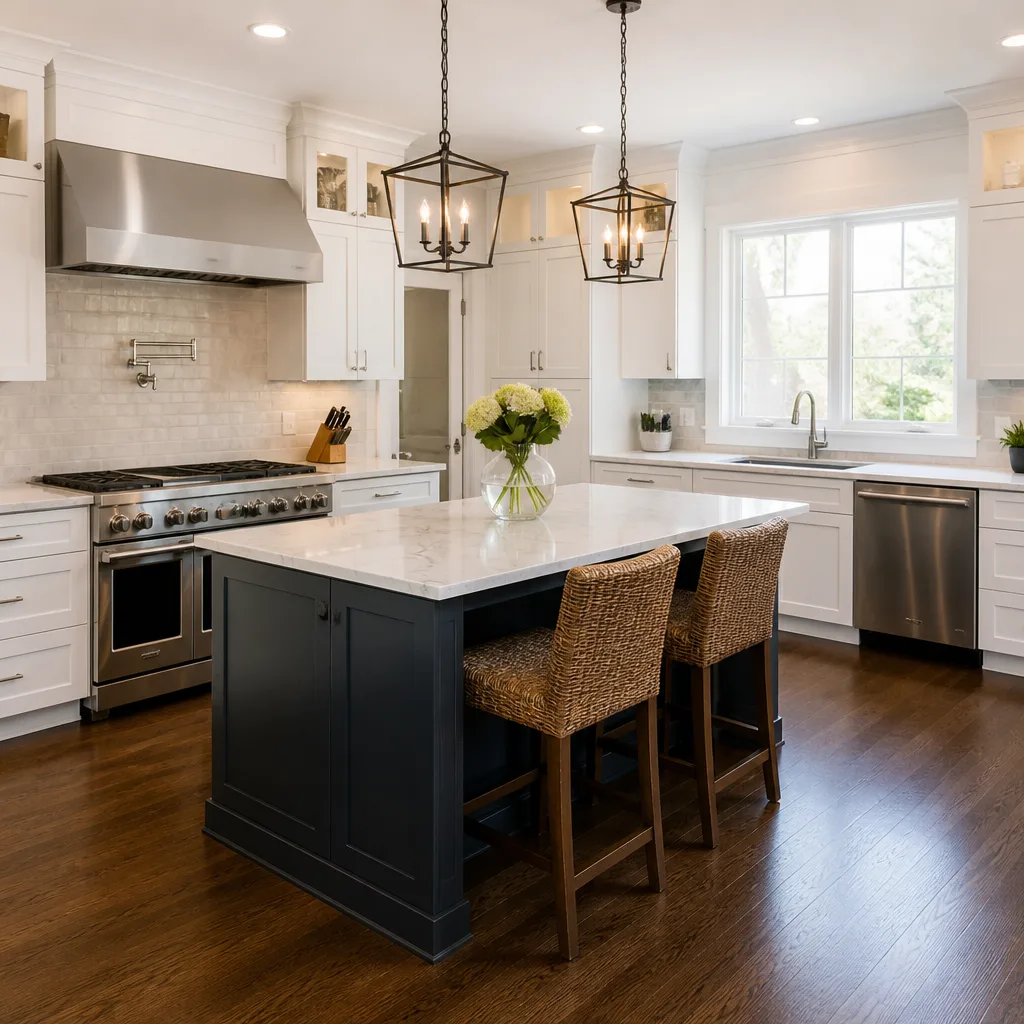
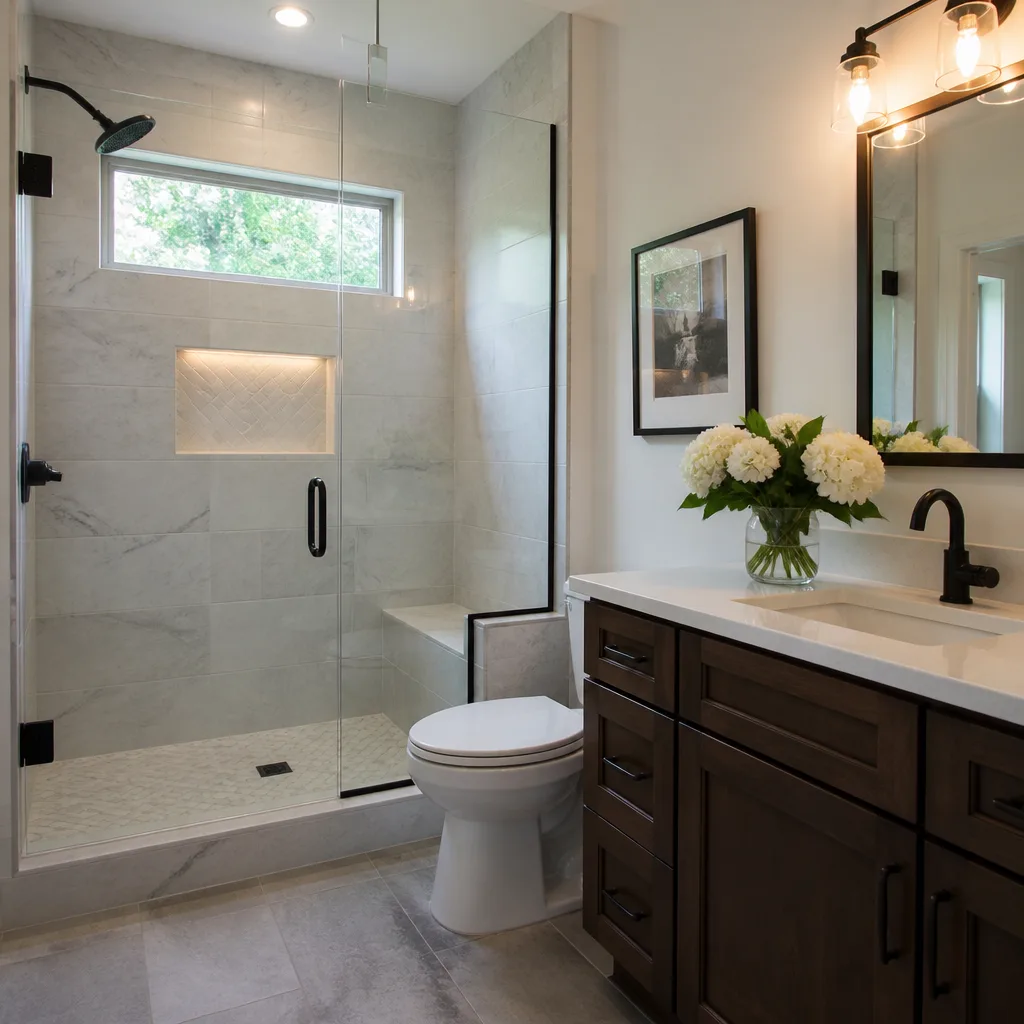
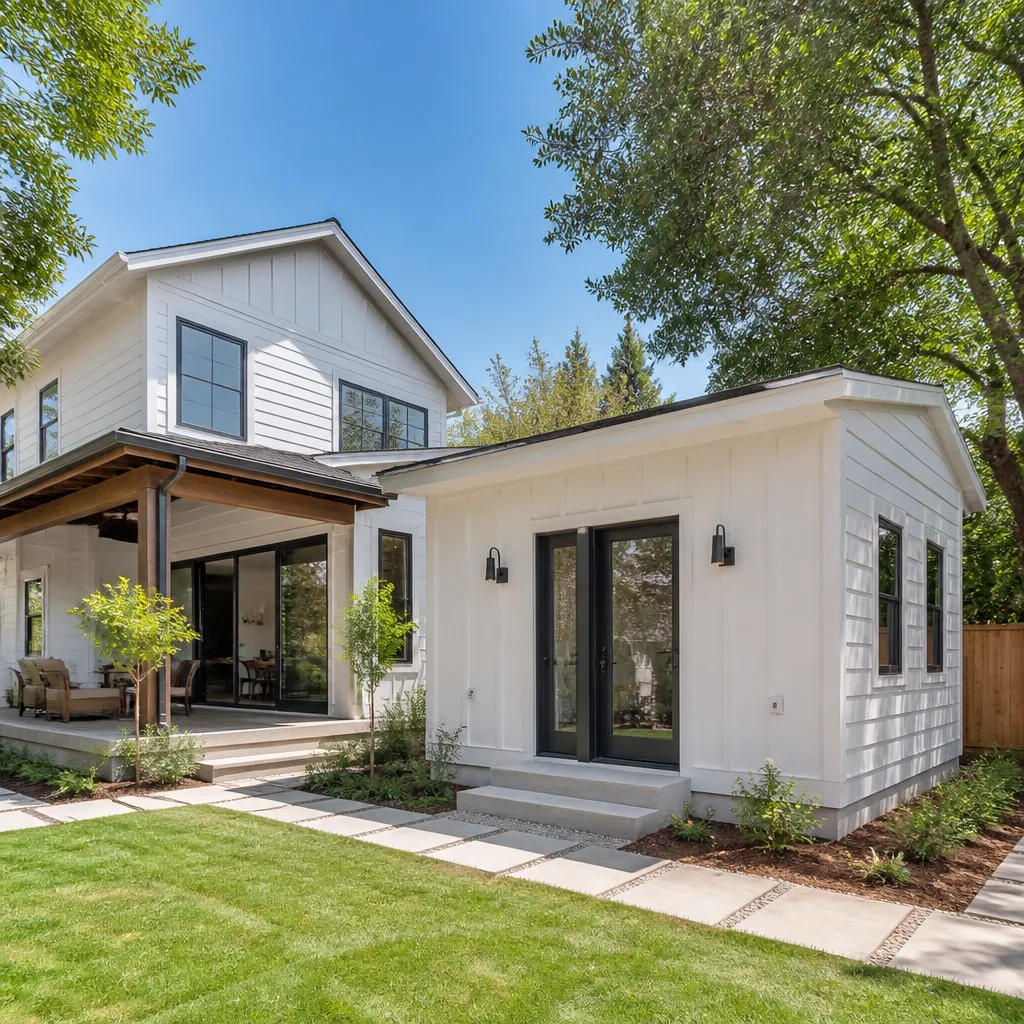
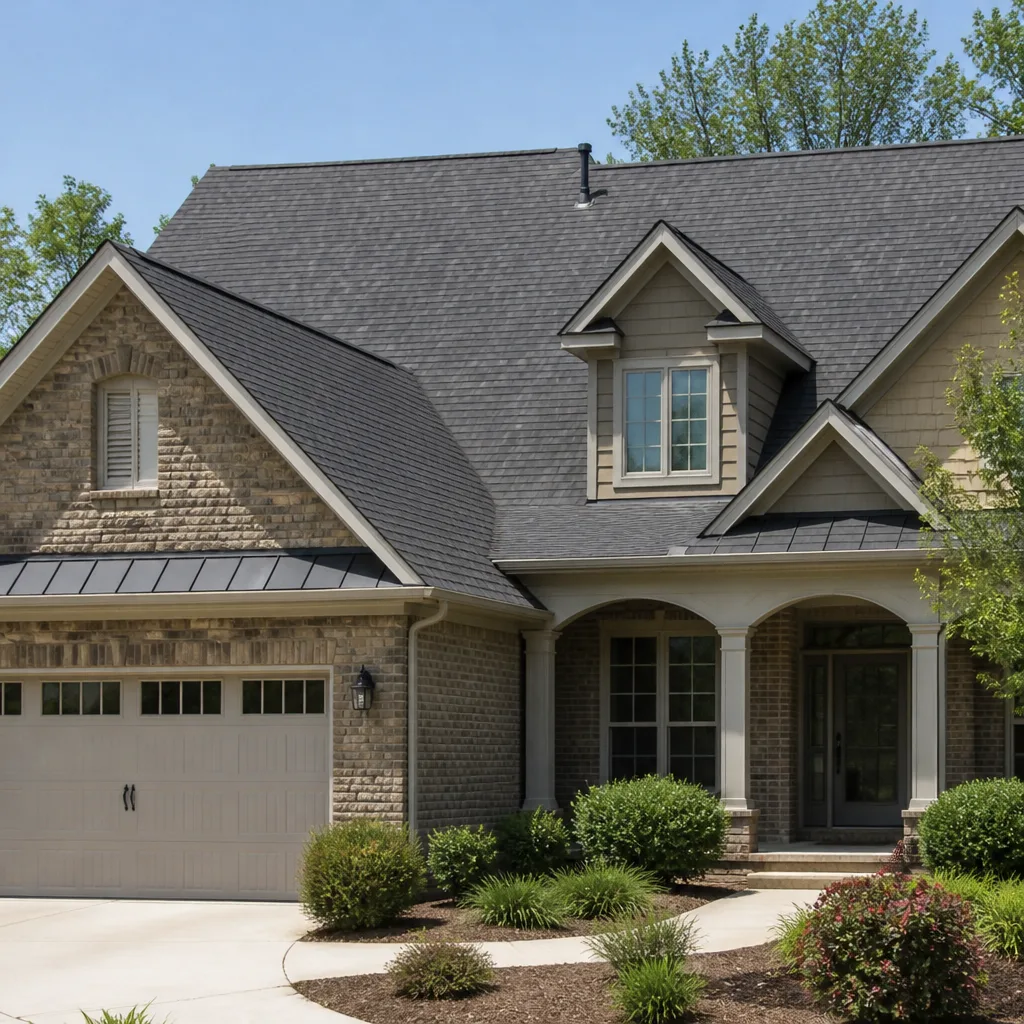
Quick Answer
West Palm Beach homeowners can legally self-perform interior painting, flooring, cabinet replacement, and other non-structural finishes with an owner-builder permit and disclosure rules. But electrical panels, load-bearing structural changes, HVAC systems, and gas lines require a Florida-licensed contractor by state law, no exceptions. Before you start any DIY project, check whether it needs a permit, whether your insurance policy covers owner-built work, and whether the finished job will qualify for wind-mitigation credits. For most families with children and pets, the practical answer is: do the cosmetic work yourself if you enjoy it; hire a licensed contractor for anything that touches structure, systems, or safety. Elmstead Remodeling West Palm Beach offers free estimates at (728) 203-3270 if you want a written price before deciding.
Table of Contents
- What Florida Law Actually Says About DIY Construction
- The Safe DIY List: What You Can Legally Do Yourself
- Owner-Builder Permits: The Rules You Agree To
- How DIY Work Affects Your Wind-Mitigation Credit and Home Insurance
- The Real Cost of DIY: A West Palm Beach Bathroom Tile Comparison
- Kids, Pets, and Job-Site Safety During a Self-Managed Project
- How to Hire the Right Contractor in West Palm Beach
- Common Mistakes to Avoid
- When to Call a Professional
- Frequently Asked Questions
- The Bottom Line
What Florida Law Actually Says About DIY Construction
Florida Statute 489.103(7) exempts homeowners from the contractor licensing requirement when they act as their own general contractor on a property they own and occupy, or intend to occupy. That’s the law that makes DIY construction possible in West Palm Beach. But the exemption is narrower than most people think. The work must be on a residence you own and live in. If the property is a rental, a vacation home, or a property you plan to flip, the exemption doesn’t apply, and you’ll need a licensed contractor for any work that requires a permit. The exemption also doesn’t cover work that Florida building code designates as requiring a licensed trade professional, regardless of who owns the house.
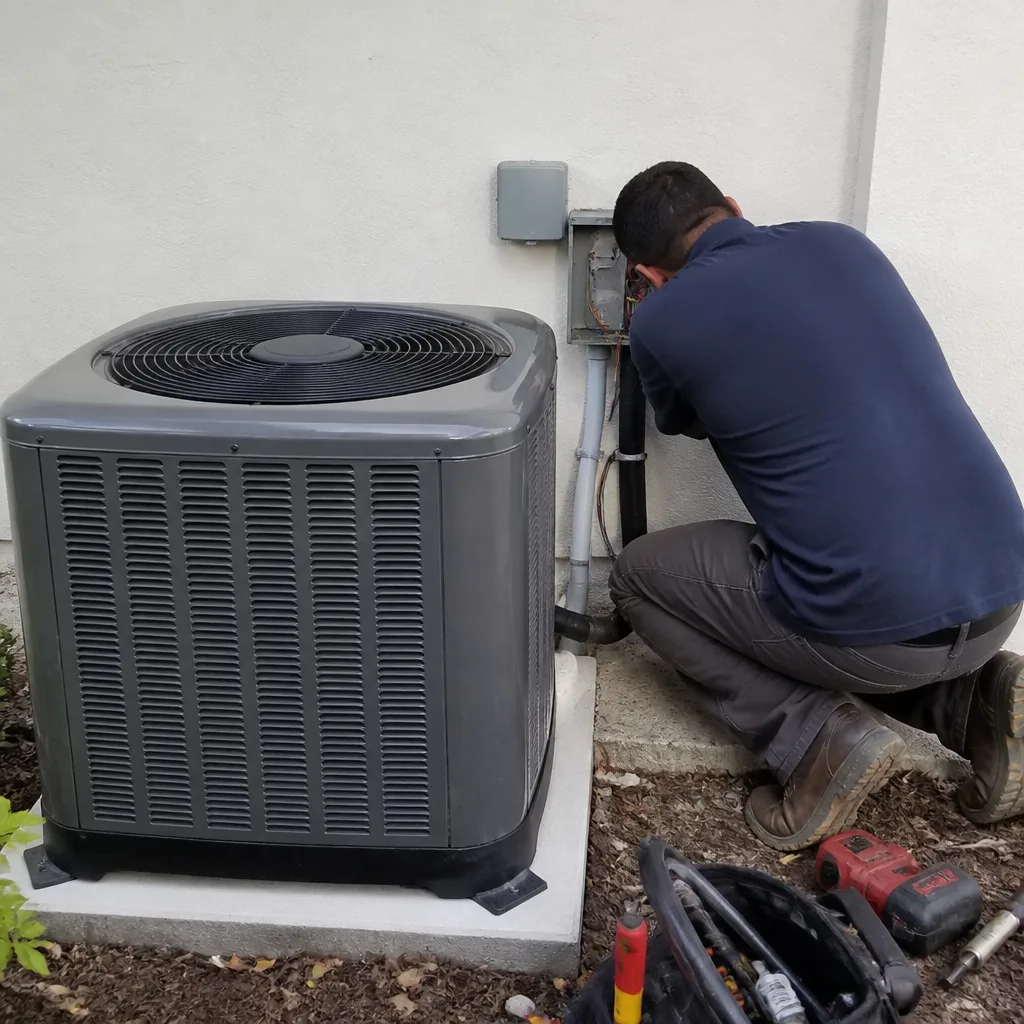
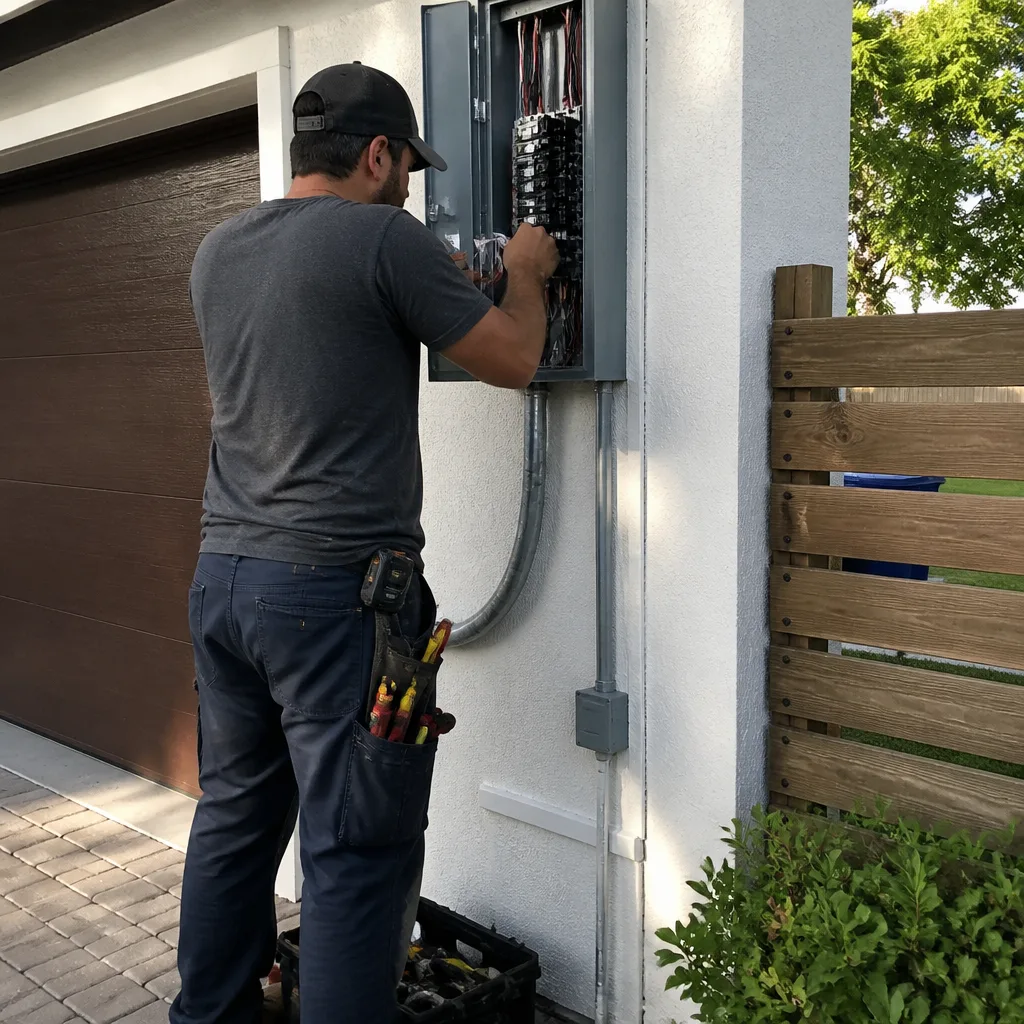
The building code is specific. Florida Administrative Code 61G4 and the Florida Building Code designate several project categories where a homeowner cannot self-perform, even with an owner-builder permit. These include electrical panel replacement or upgrade, any modification to a load-bearing wall or roof structure, HVAC system installation or replacement, and gas line installation or relocation. The reasoning is straightforward: these systems, when installed incorrectly, create hazards that extend beyond the property line. A faulty gas connection affects the neighbors. A compromised load-bearing wall can collapse. The state draws the line at systems that can hurt people who didn’t sign up for the project.
Local permitting in West Palm Beach follows the same statute. The city’s Building Department will issue an owner-builder permit for qualifying projects, but you’ll sign a disclosure form acknowledging that the work is owner-built, that you’re responsible for compliance with all codes, and that if you sell within one year, the buyer must receive written notice. That disclosure requirement, buried in Florida Statute 489.103(7)(b), is the part most homeowners never learn about until closing day, when it can delay or derail a sale. One year from the date the permit was issued, not the date the work was finished.
In our experience at Elmstead Remodeling West Palm Beach, we’ve seen families in neighborhoods like Flamingo Park and El Cid discover this disclosure rule during a sale, and the practical result is that owner-built work gets scrutinized harder than contractor-built work. Home inspectors and insurance underwriters look for evidence of amateur installation. The cost of defending the work often exceeds what the homeowner saved by doing it themselves. That’s not a reason to never DIY. It’s a reason to choose carefully which projects you self-perform.
The Safe DIY List: What You Can Legally Do Yourself
Some projects in West Palm Beach are genuinely well-suited to homeowner labor. These are jobs where the failure consequence is cosmetic, the permit requirement is typically unnecessary for the work itself, and the learning curve is forgiving. If you want to build skill and equity with your own hands, start here.
Interior painting is the classic starting point. No permit is required in West Palm Beach for interior paint. The stakes are low: a bad paint job is fixable with another coat. What matters most in this climate is choosing paint that can handle South Florida humidity. Look for products labeled for high-humidity environments, particularly in bathrooms and kitchens where condensation is constant. When we paint in West Palm Beach homes, we use low-VOC paints as a standard choice, which matters if you’re painting while children or pets are in the house. You can buy the same products from any local paint supplier. The difference between a professional and amateur paint job isn’t usually the paint; it’s the prep work, the cutting-in at ceilings and trim, and the patience to do two coats instead of one.
Flooring, specifically floating luxury vinyl plank (LVP) and laminate, is another candidate for DIY. These click-together systems don’t require glue or nails, and the manufacturer’s instructions are explicit enough that a methodical homeowner can achieve a solid result. West Palm Beach’s concrete slab foundations mean you’ll need a moisture barrier underneath, and you’ll want to check the slab for moisture before you start. A $30 moisture test kit from a home center is worth the expense. What we’ve seen in West Palm Beach basements doesn’t apply here because South Florida homes generally don’t have basements; the slab is the floor, and moisture issues are common. Hire a professional for tile, hardwood, or anything that requires subfloor work or leveling.
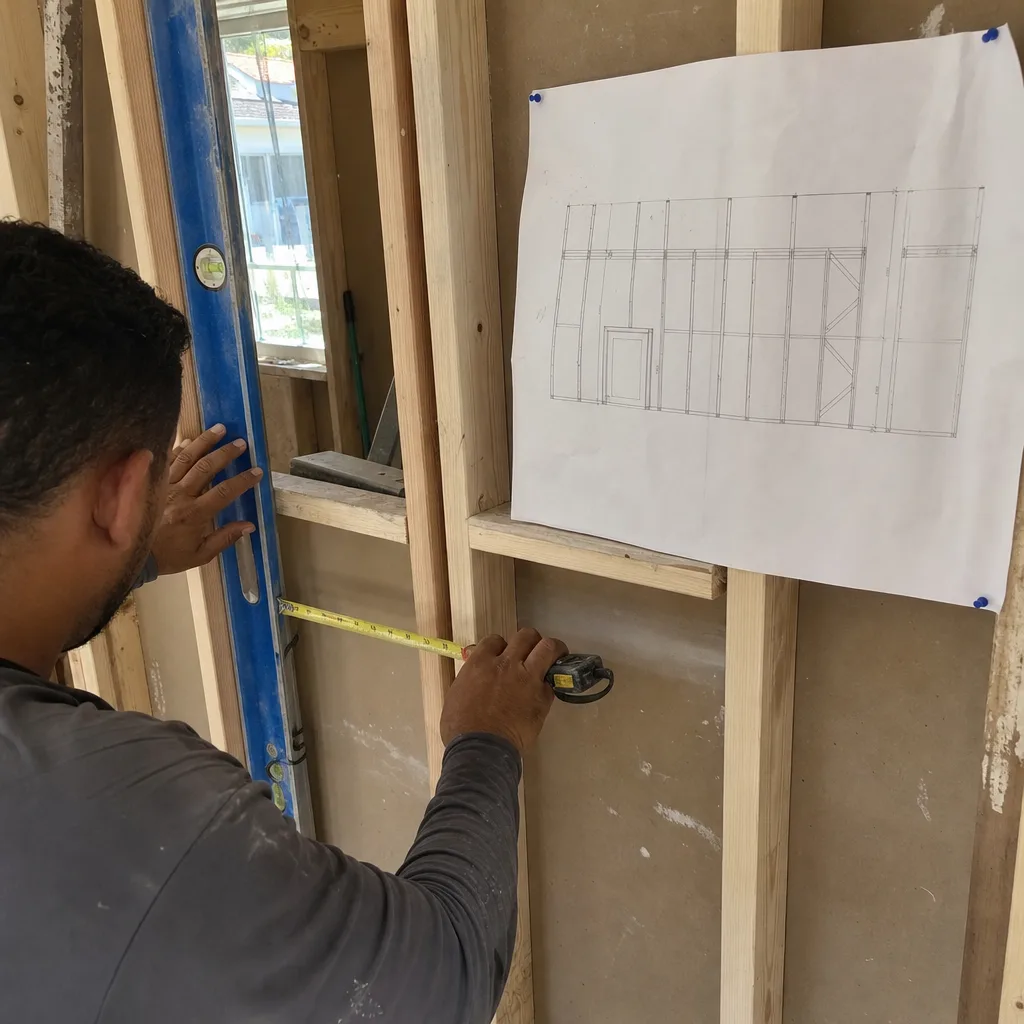
Cabinet replacement, meaning removing and installing pre-built, pre-finished cabinet boxes, can be DIY if you’re comfortable with a level and a stud finder. The permitting question is simple: in West Palm Beach, replacing cabinets without changing plumbing, electrical, or the wall structure generally doesn’t require a permit. What it does require is patience with shims, precise leveling, and careful measurement. A cabinet installed 1/4-inch out of level will be visible from across the room. We install KraftMaid and Wellborn cabinets in kitchens throughout West Palm Beach, and the difference between a pro install and a careful DIY install often shows up in the alignment across a run of cabinets, the scribing to uneven walls, and the fit around corners. If your walls are perfectly square and flat, DIY is viable. In older West Palm Beach homes, walls are rarely either.
Owner-Builder Permits: The Rules You Agree To
When a West Palm Beach homeowner pulls an owner-builder permit, the city hands them a legal document with obligations most people never read. The permit names you as the general contractor of record. That means you’re responsible for ensuring the work meets the Florida Building Code, that inspections are scheduled and passed, that workers on-site are protected, and that the project is completed to code. If a worker is injured on your owner-builder project, you’re the employer of record for the purposes of workers’ compensation. Many homeowner policies exclude injuries to contractors or workers on a project you’re managing yourself, which means an injury on your DIY job could become a personal liability claim against you.
Here’s the sequence for an owner-builder permit in West Palm Beach:
- Confirm eligibility. The property must be your primary residence, in your name, and you must intend to live in it. Bring proof of ownership and a government ID to the city’s Building Department.
- File the permit application. Describe the work precisely, including plans or drawings if the permit requires them. The city reviews for code compliance, not for feasibility; that’s your burden.
- Sign the owner-builder disclosure. This is the form that says you understand the one-year resale disclosure rule and that you’re accepting responsibility for the work.
- Schedule inspections. For structural, electrical, plumbing, or mechanical work, you’ll schedule inspections at key stages. Missed inspections mean the work is out of compliance, which can halt a future sale.
- Pass the final inspection. The permit closes when the final inspection passes. Keep the closed permit documentation; buyers and insurers will ask for it.
If this sequence feels heavier than expected, that’s because the state designed owner-builder permits to be a real mechanism for responsible homeowners, not a loophole for unlicensed contracting. Our Seasonal Construction Care for West Palm Beach: Year-Round Homeowner’s Guide covers how to time these projects wisely. The most important decision you make isn’t whether to pull the permit; it’s whether the project is one where a failed inspection won’t cost you more to fix than the original job.
How DIY Work Affects Your Wind-Mitigation Credit and Home Insurance
This is the cost of DIY that almost no one calculates before starting. Florida homeowners in West Palm Beach pay among the highest property insurance premiums in the country, and the single largest discount mechanism is the wind-mitigation credit. A home with opening protection and hardened roof-to-wall connections can save $500 to $2,000 per year on premiums. But the credit is only available when the work is installed by a Florida-licensed contractor who signs the wind-mitigation inspection form attesting to the installation method. Work you self-install, even if it meets or exceeds code requirements, may not qualify because the inspector can’t verify the installation against a recognized, documented standard.
That’s a yearly recurring cost, not a one-time expense. Suppose you save $3,000 on a DIY window or roof-hardening project and you theoretically could have earned a $1,200 per year wind-mitigation credit. You’re in the red after two and a half years, and you stay in the red every year after that. If you live in the house for ten years, that DIY decision has cost you $12,000 in lost premium savings. When we do structural work in West Palm Beach, the wind-mitigation documentation is part of the job because the homeowner needs that signature to file for the credit. The labor you save by self-performing may be the most expensive labor you ever avoid paying for.
Insurance consequences extend beyond wind mitigation. Many Florida homeowner policies require the homeowner to notify the carrier of material changes to the property, including unfinished or self-performed construction. If you do unpermitted work and then file a claim for water damage, mold, or structural failure, the carrier may deny the claim on the grounds that the work was non-compliant and the loss is a consequence of unpermitted modification, not a covered peril. That outcome turns a $2,000 DIY saving into a $20,000 claim denial. Before you start any project that touches structure, roof, windows, or plumbing, call your insurance agent and ask a single question: “If I do this work myself with an owner-builder permit, does my policy still cover losses related to that work?” Get the answer in writing if you can.
The Real Cost of DIY: A West Palm Beach Bathroom Tile Comparison
Let’s get specific on cost, because most DIY comparisons leave out the expenses that only show up after the project starts. Here’s a bathroom tile installation in a typical 40-square-foot West Palm Beach bathroom, comparing a first-time DIY install versus a licensed contractor’s written quote. Labor rates below reflect West Palm Beach market conditions in 2025.
| Cost Category | DIY First-Timer | Licensed Contractor |
|---|---|---|
| Tile material (mid-range porcelain) | $400 – $650 | $400 – $650 |
| Thinset, grout, backer board, waterproofing | $250 – $400 | $250 – $400 (included in quote) |
| Tool rental (wet saw, tile cutter, mixer, spacers) | $150 – $250 per weekend, often 2+ weekends | $0 (contractor owns tools) |
| Material waste factor | 20 – 30% of tile purchased is waste (cuts, breakage) | 10 – 12% waste, included in bid |
| Labor | $0 cash, 30 – 50 hours of your time | $45 – $75 per sq ft in West Palm Beach ($1,800 – $3,000 for 40 sq ft) |
| Permit | $85 – $180 owner-builder permit (if needed) | Contractor handles permit cost in quote |
| Mistake correction | $100 – $500 typical first-timer re-do costs | Covered by contractor’s warranty |
The headline number: a professional tile installation in West Palm Beach for a 40-square-foot bathroom runs roughly $2,800 to $4,500 including materials, and it takes three to five working days. A DIY first-timer will spend $800 to $1,500 on materials and tools, burn the equivalent of two to three weekends, and live with the result for years. If you value your weekend time at anything above zero, the math favors hiring. But the more important calculation for families is disruption. A tiled bathroom that stands half-finished for three weekends is a functional loss of a bathroom for a household with children. We’ve heard from West Palm Beach families who started a bathroom tile project and called us weeks later because the kids couldn’t use the only tub, the adhesive smell was lingering, and the tile pattern wasn’t lining up. The written price at the start is always clearer than the real cost of the second try.
Kids, Pets, and Job-Site Safety During a Self-Managed Project
If you’re running the project yourself, you’re also running the safety plan. For a family with children and pets, that’s a real responsibility with consequences that extend beyond the project itself. The difference between a professionally managed job site and a homeowner-managed one is often visible in a single detail: containment. Dust from cutting tile, sanding drywall, or demolishing a wall contains silica and other particulates you don’t want in a child’s lungs or a pet’s food bowl. Professional crews in West Palm Beach set up negative air pressure and physical barriers to isolate the work area. A homeowner DIY job often skips this, and the dust travels through the entire house for the project’s duration.
For adhesive and paint products specifically, pay attention to off-gassing. Many flooring adhesives, paints, and caulks release volatile organic compounds for 24 to 72 hours after application. West Palm Beach’s heat and humidity extend that window because ventilation is harder when windows are closed for air conditioning. If you’re using a solvent-based adhesive on a kitchen floor, plan for the family to be out of the house for at least 24 to 48 hours, and run fans with windows open. If that’s not workable in your home, choose low-VOC or water-based products and confirm with the manufacturer how long the space should be ventilated before pets can walk on the surface. Pet paws absorb more through direct contact than human feet; the same caution that keeps a toddler off fresh adhesive should keep the dog off it too.
Finished surfaces have a cure time, not just a dry time. Epoxy countertops can feel dry in a day but need another 72 hours before they’re safe for food contact. Newly grouted tile shouldn’t get direct water for at least 48 hours. Glazed porcelain tile is generally pet-safe immediately after curing, but acid-based cleaners used during cleanup can irritate paws if residue remains. Read the product data sheet for every material you use, look for the cure time and the “safe for reoccupancy” window, and add a day to the manufacturer’s number to account for South Florida humidity. The home should be left in better shape than the crew found it; if you’re the crew, that standard applies to you too.
How to Hire the Right Contractor in West Palm Beach
If the project falls outside the safe DIY list, the decision shifts from “should I hire” to “who should I hire.” In West Palm Beach, that conversation starts with licensing. Florida statute requires a state-licensed contractor for any project over $1,500 in total value, including materials and labor. Working with an unlicensed contractor on a project above that threshold voids many protections and puts you in legal gray territory if the work fails. Ask for the Florida license number, verify it online through the state’s Department of Business and Professional Regulation, and confirm the license is active. It takes five minutes and it’s the first screen that separates legitimate contractors from discount labor.
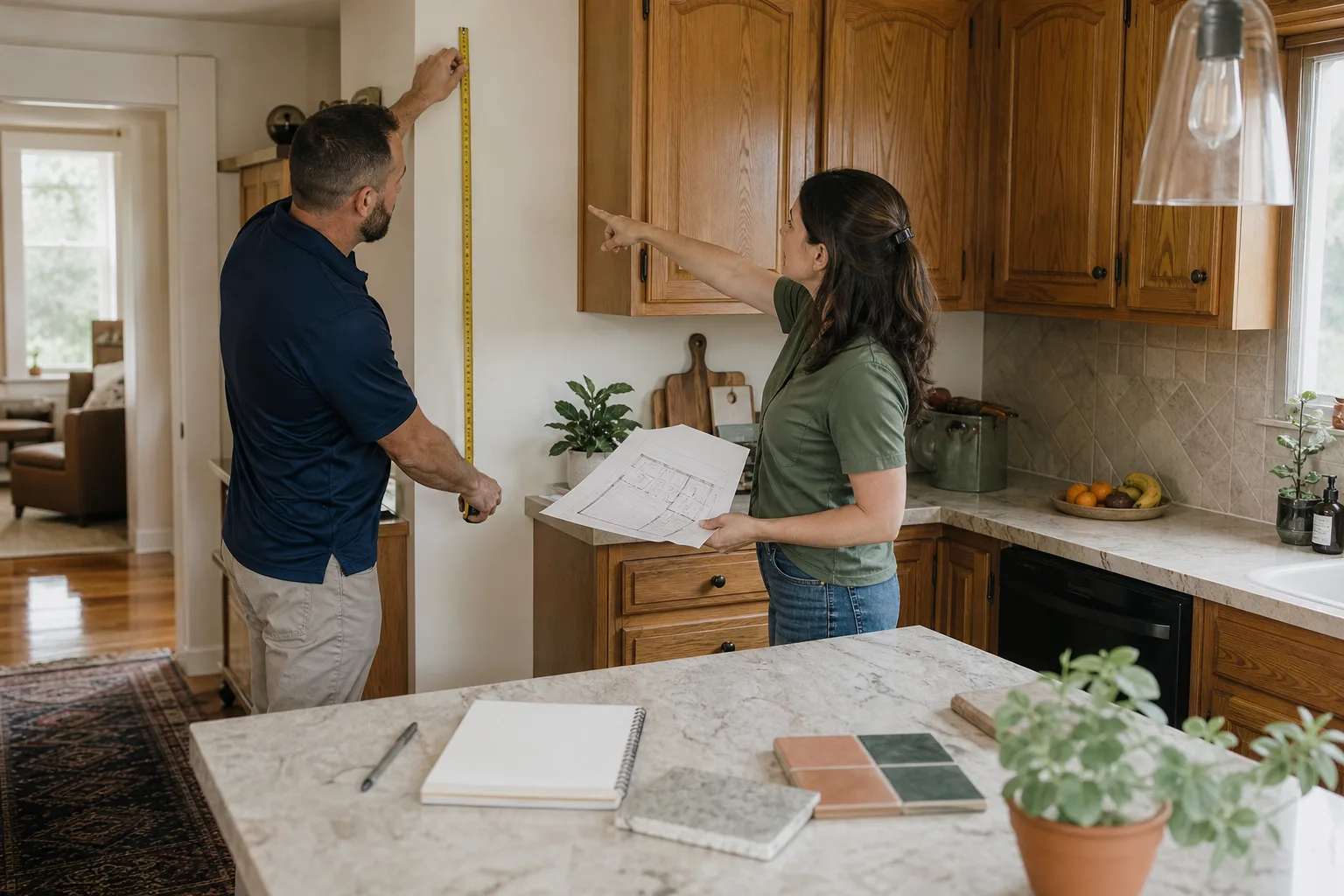
Next, ask for the written price. This is the point where many homeowners get burned. An estimate is a starting point; a written price is a commitment. In our practice at Elmstead Remodeling West Palm Beach, every project starts with a written price before any work begins, not an estimate that grows once the crew arrives. Ask a contractor whether their quote is a fixed price or an estimate with allowances. In West Palm Beach, older homes in neighborhoods like Grandview Heights or Northwood frequently reveal hidden conditions once walls come down, and a contractor who gave you a written price will handle that conversation differently than one who priced low to win the job. You want the contractor who names the price and stands behind it.
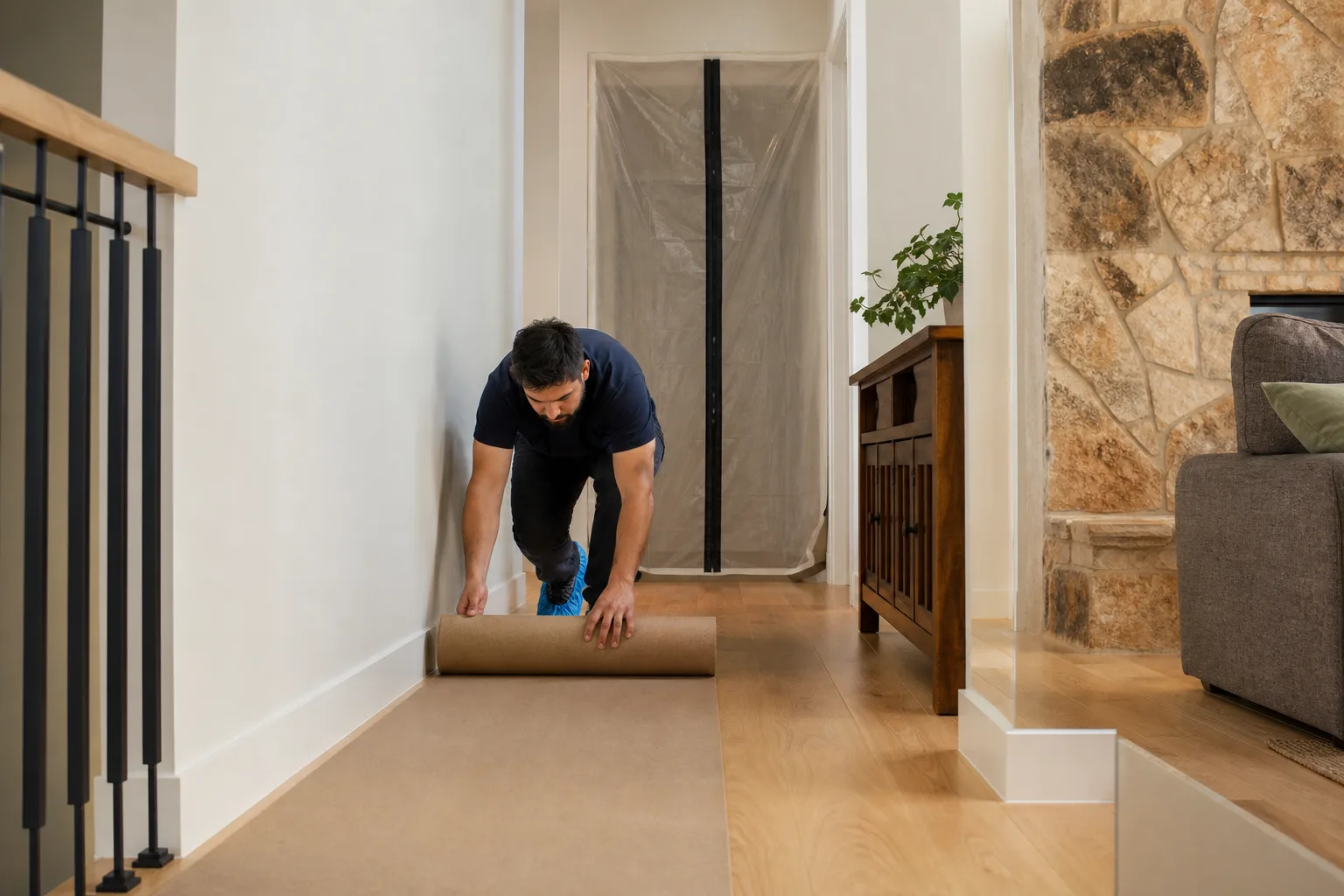
For families with children and pets, the questions are specific and fair. Ask whether the crew wears shoe covers and lays drop cloths. Ask what happens to the work area at the end of each day. Ask whether the contractor uses quiet tools during the hours your children nap. Ask whether pet-safe product choices are available for paints, adhesives, and finishes. There is no acceptable answer except “yes” to the first two, and “we’ll work with you” to the rest. If a contractor hesitates on any of these, keep looking. The home should function as a home during the project, not become a construction site the family lives around.
We use products from partners whose names you can research independently: KraftMaid and Wellborn for cabinets, Cambria, Silestone, and Caesarstone for countertops, Kohler, Moen, and Grohe for fixtures, and James Hardie for exteriors. These aren’t generic builder-grade materials. They’re brands with manufacturer warranties that travel with the finished project, and if the manufacturer stands behind the product for ten or twenty-five years, you have a second line of defense beyond your contractor’s workmanship. That’s the kind of specificity we bring to every General Contractor in West Palm Beach engagement. You’ll see it in the quote, in the materials list, and in the finished work.
Common Mistakes to Avoid
Whether you DIY or hire, these are the expensive missteps we see regularly in West Palm Beach homes.
- Pulling an owner-builder permit for electrical or structural work. The city will issue the permit for some projects, but Florida building code still requires a licensed contractor for panel, load-bearing, HVAC, and gas work. The permit doesn’t make it legal; it makes it documented.
- Skipping the insurance call before starting DIY structural work. A thirty-minute call saves you from discovering a coverage exclusion after the project is done and the damage has occurred. Ask specifically about owner-built work and wind-mitigation credits.
- Assuming a handyman can do what a licensed contractor does. In West Palm Beach, a handyman can legally perform minor repairs under $1,500 but can’t pull permits or work on systems requiring a license. Hiring a handyman for electrical or plumbing work means you’re paying someone to work illegally, and the liability for that person’s mistakes lands on you.
- Underestimating the time a DIY project takes with kids in the house. What the YouTube video shows as a weekend project is a two-weekend project when you’re working around nap schedules, school pickups, and a dog who wants to inspect every tile you set. Plan for the project to take twice as long, then decide if that still works.
- Not checking the manufacturer’s cure time before letting the family back in. Paint that feels dry isn’t cured. Grout that looks set isn’t waterproof. Pets and toddlers contact surfaces directly, so look for the reoccupancy window on the product data sheet and respect it.
- Skipping the wind-mitigation documentation if you do self-perform structural improvements. Even if your insurer won’t credit owner-built work today, keep the documentation. Future rules may change, and a buyer at resale will ask how the work was done regardless.
- Accepting a verbal price from a contractor. In Florida, verbal contracts are enforceable for work under $500, but nothing about a remodeling project should be verbal. Get the written price before work starts, every time, no exceptions.
When to Call a Professional
Call a licensed contractor when the project touches electrical panels, load-bearing walls, roof structure, HVAC, gas lines, or anything requiring a permit with an inspection. Call one when the work affects how your home performs in a hurricane, because wind-mitigation credits require licensed installation. And call one when the project’s duration or complexity would meaningfully disrupt your family’s daily life, because the cost of disruption is real, even if it doesn’t appear on an invoice. For bathroom remodeling in West Palm Beach or a full kitchen remodeling in West Palm Beach project, the permit, the materials, the sequence of trades, and the inspection schedule all favor a professional crew. Elmstead Remodeling West Palm Beach offers free estimates throughout West Palm Beach. Call (728) 203-3270 and you’ll speak to a live person, and you’ll get a written price before any work starts.
Frequently Asked Questions
Yes, Florida Statute 489.103 allows homeowners to act as their own general contractor on a primary residence for non-structural, non-system work with an owner-builder permit where required. Interior painting, flooring, and cabinet replacement generally don’t need a permit in West Palm Beach. For more guides & resources on West Palm Beach home improvement, explore our blog. Electrical, structural, HVAC, and gas work must be done by a Florida-licensed contractor regardless of who owns the home. Call (728) 203-3270 if you want a professional opinion on whether your specific project falls inside or outside the DIY line.
For a 40-square-foot bathroom tile job, a licensed contractor in West Palm Beach charges roughly $2,800 to $4,500 including materials and labor, while a DIY first-timer spends $800 to $1,500 in cash plus 30 to 50 hours of personal time. The DIY savings are real in cash terms, but the risks of a failed inspection, an insurance exclusion, or a project that drags on for weeks often erase them. Every project is different; call (728) 203-3270 for a free estimate and a written price on yours.
Most Florida homeowner policies cover the home itself but not work you self-perform if that work is later found to be non-compliant and the loss stems from it. Wind-mitigation credits require installation by a licensed contractor, so self-installed window or roof hardening may not qualify for the $500 to $2,000 annual premium discount. Check with your insurer before you start, and document everything.
Interior painting and cabinet replacement generally don’t require a permit in West Palm Beach as long as you’re not moving plumbing, electrical, or structural walls. If the cabinet replacement changes the floor plan or requires relocating a sink or outlet, the project crosses into permit territory. Call the city’s Building Department or a licensed contractor if you’re unsure.
For paint, wait until the paint is dry to the touch and the room has been ventilated for at least 24 hours, though low-VOC paints reduce that window. For tile, wait 24 to 48 hours before walking on it and 72 hours before heavy use or wet exposure. For adhesives, epoxies, and solvent-based products, follow the manufacturer’s reoccupancy window, which is typically 24 to 72 hours, and add a day for South Florida humidity. For a professional job, the contractor provides these windows as part of the scope.
Ask for the Florida license number and verify it online. Ask whether the quoted price is a fixed written price or an estimate with allowances. Ask whether the crew uses shoe covers and drop cloths, what happens to the job site at the end of each day, whether quiet tools are available during family rest hours, and whether pet-safe product options exist for paints and adhesives. Elmstead Remodeling West Palm Beach answers all of these questions in writing before work begins. Call (728) 203-3270.
The Bottom Line
The DIY-versus-hire decision in West Palm Beach isn’t about whether you’re capable. It’s about whether the project’s legal, insurance, and family-impact costs make self-performance the smart choice. Paint, flooring, and cabinet work are reasonable DIY projects if you’re willing to work carefully and patiently. Electrical, structural, HVAC, and gas work are not DIY projects under Florida law, full stop. The wind-mitigation credit math and the owner-builder disclosure rules are the hidden costs that turn apparent savings into real losses. For projects that touch structure, systems, or safety, call a licensed contractor who puts the price in writing before work starts. If you’re still deciding, Elmstead Remodeling West Palm Beach is a Elmstead Remodeling West Palm Beach home for families who want the work done right and the home left in better shape than the crew found it. Call (728) 203-3270 for a free estimate and a written price.
Written by Graham Stein, Owner at Elmstead Remodeling West Palm Beach, serving West Palm Beach since 2005.
See the difference
 Before
 After
After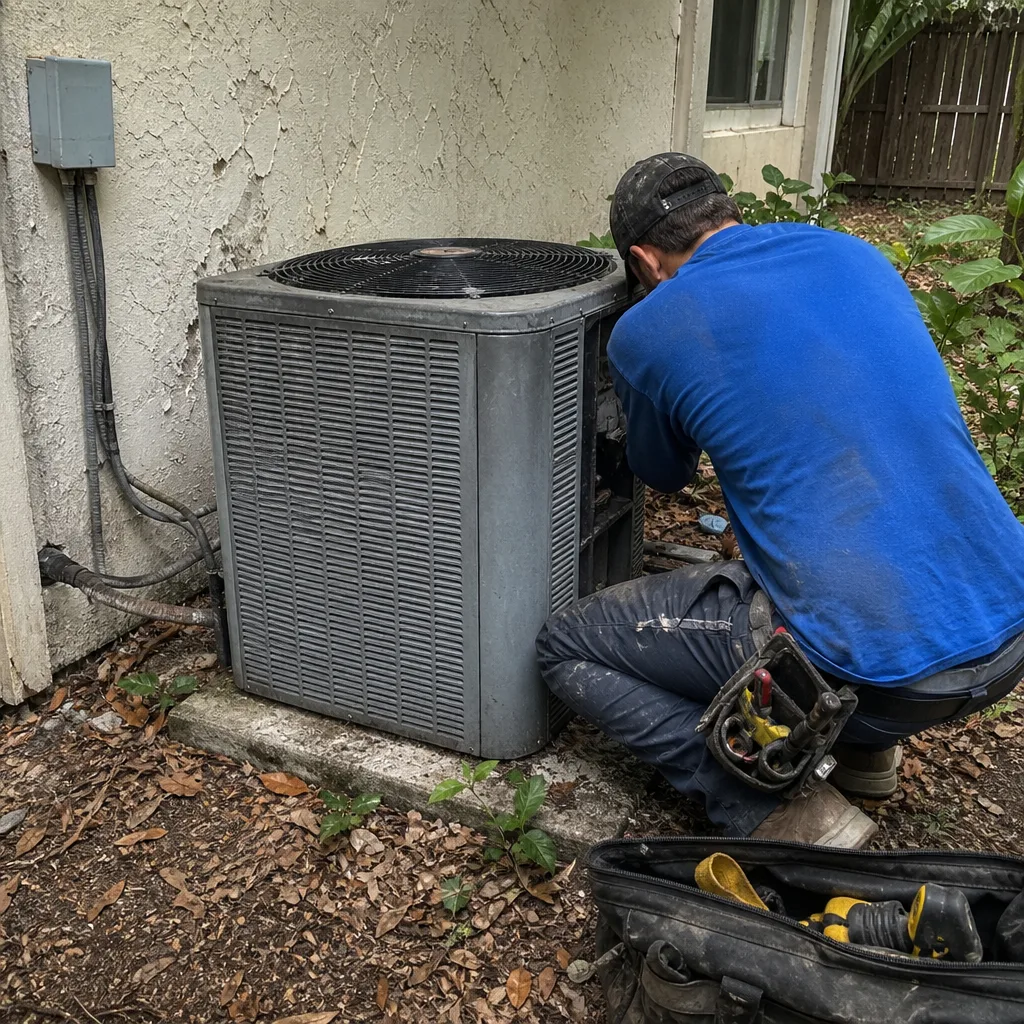 Before
 After
After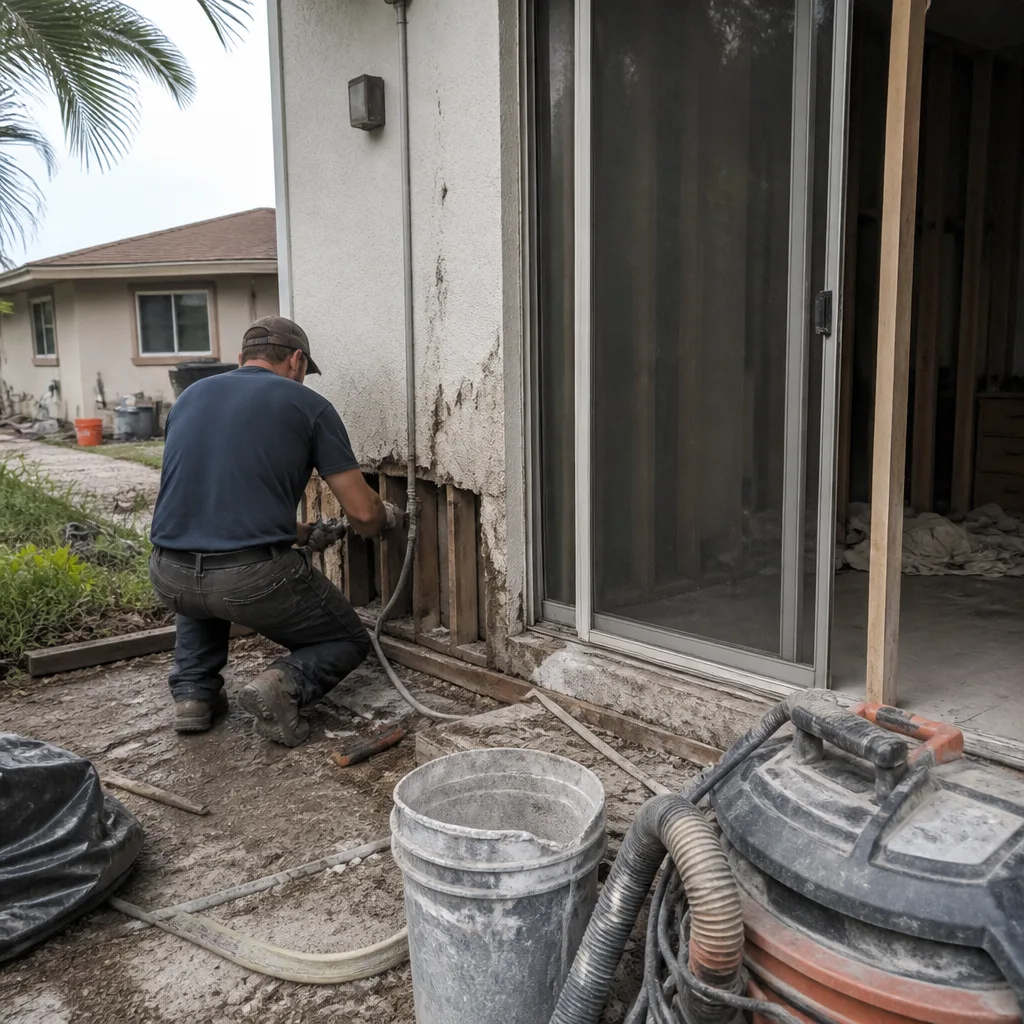 Before
 After
After