Last updated October 15, 2026



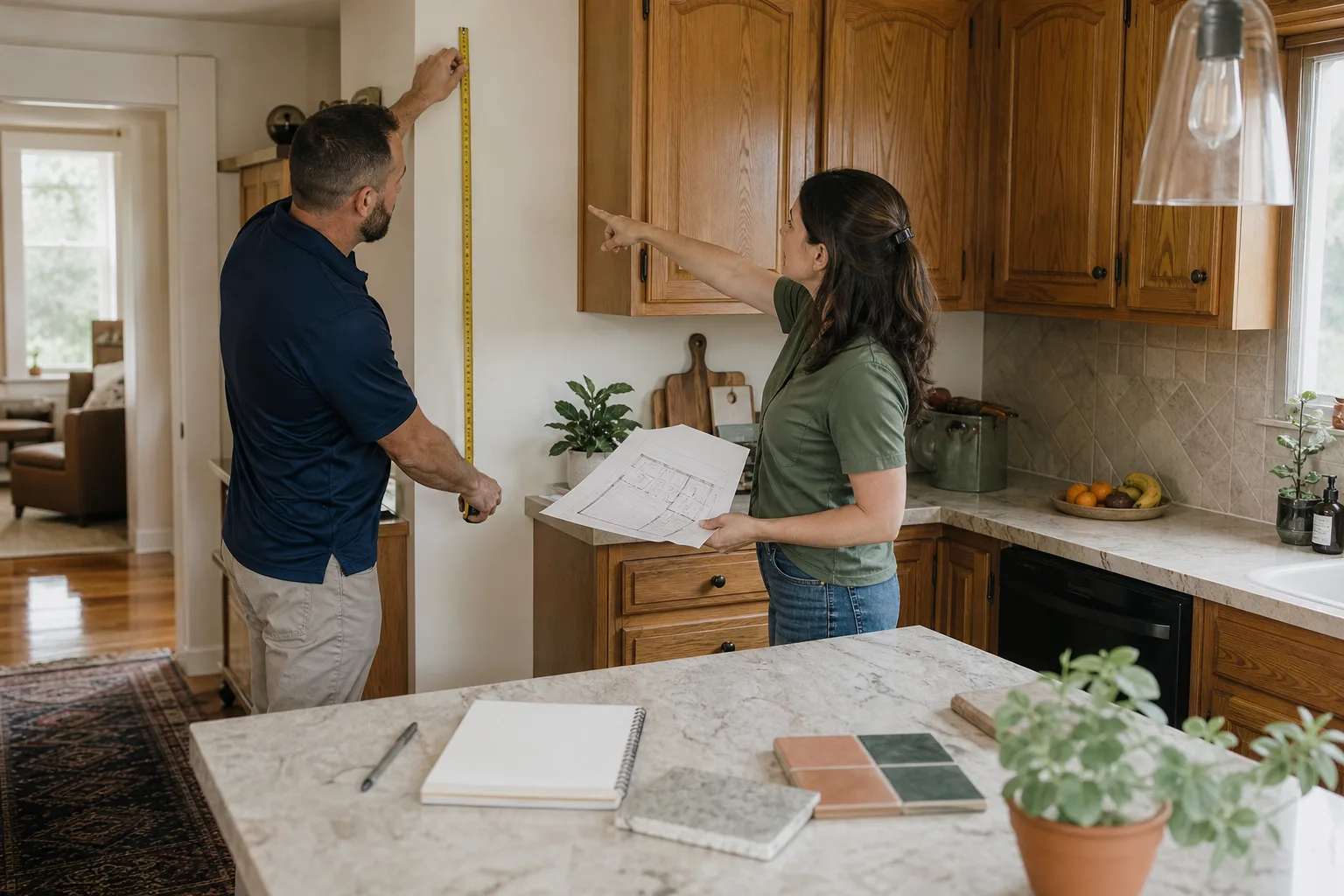
Free written scope consultation - allowances, timeline, and change-order rules on paper before a single trade is scheduled
Seasonal Construction Care for West Palm Beach: Year-Round Homeowner’s Guide
West Palm Beach homes don’t follow a four-season maintenance calendar. They follow two seasons: the dry months when work gets done, and the wet months when deferred work gets exposed. The homeowners who stay ahead are the ones who understand that October’s missed caulk joint becomes August’s water stain, and that a paint job scheduled in July can fail before the calendar year ends. The optimal window for exterior repainting in West Palm Beach is a narrow band between mid-October and early April. Paint applied outside that window in summer humidity can trap moisture under the film and blister within 90 days, a failure most warranties won’t cover. This guide lays out what to do, when to do it, and which tasks belong in the hands of a General Contractor in West Palm Beach rather than a weekend checklist.
Styles & brands we work with
Quick Answer
West Palm Beach seasonal home care breaks into two cycles: dry-season execution (October through April) and rainy-season protection (May through September). The key discipline is completing exterior waterproofing, paint, and structural repairs during the dry window, then using the wet months for interior remodeling work where humidity control is manageable. Homes that follow this two-season rhythm avoid the most common and costly South Florida failure pattern: small deferred tasks compounding into rainy-season water damage.
Table of Contents
- October – November: Post-Hurricane-Season Structural Triage
- December – March: The Dry-Season Construction Window
- April – May: Pre-Rainy-Season Waterproofing
- June – September: Working With the Rainy Season
- UV Degradation: How South Florida Sun Ages Your Home
- A Month-by-Month Home Care Schedule for West Palm Beach
- Common Mistakes to Avoid
- When to Call a Professional
- Frequently Asked Questions
- The Bottom Line
October – November: Post-Hurricane-Season Structural Triage
By mid-October, West Palm Beach has typically absorbed four to five months of wind-driven rain, salt air, and at least one close brush with a tropical system. The work that matters now is not cosmetic. It is structural triage. We’ve walked through homes in El Cid and Flamingo Park where a single fastener that loosened during a September squall had, by the following spring, allowed enough water entry to rot a section of window framing. The fix in October is a $200 service call. The fix in April is a $4,000 carpentry repair.
Start with these five post-hurricane-season inspections. Each one catches slow damage before it becomes structural.
- Fastener torque checks on all exterior fixtures. Hurricane straps, shutter mounts, deck railings, and exterior light housings all loosen incrementally under repeated wind loading. A torque check takes one afternoon and catches hardware that has backed out a quarter-turn or more. In coastal neighborhoods like Lake Worth Beach and South End, salt corrosion accelerates this process.
- Flashing reseating at roof intersections and penetrations. Wind-driven rain finds flashing that has lifted even an eighth of an inch. Check chimney bases, vent pipes, and any place where two roof planes meet. Reseating flashing is a dry-weather job; October and November are the right months.
- Impact glass seal inspection. Impact-rated windows and doors carry a structural seal around the glass perimeter. After a heavy storm season, that seal can show hairline separation, particularly on west-facing elevations that take afternoon sun. A separated seal means the window has lost its pressure rating until resealed.
- Gutter bracket and downspout verification. Gutters that sag even slightly after storm season will overflow in the wrong place during a rainy-season downpour. The overflow channel usually lands against the foundation or the fascia. Brackets are cheap. Fascia repair is not.
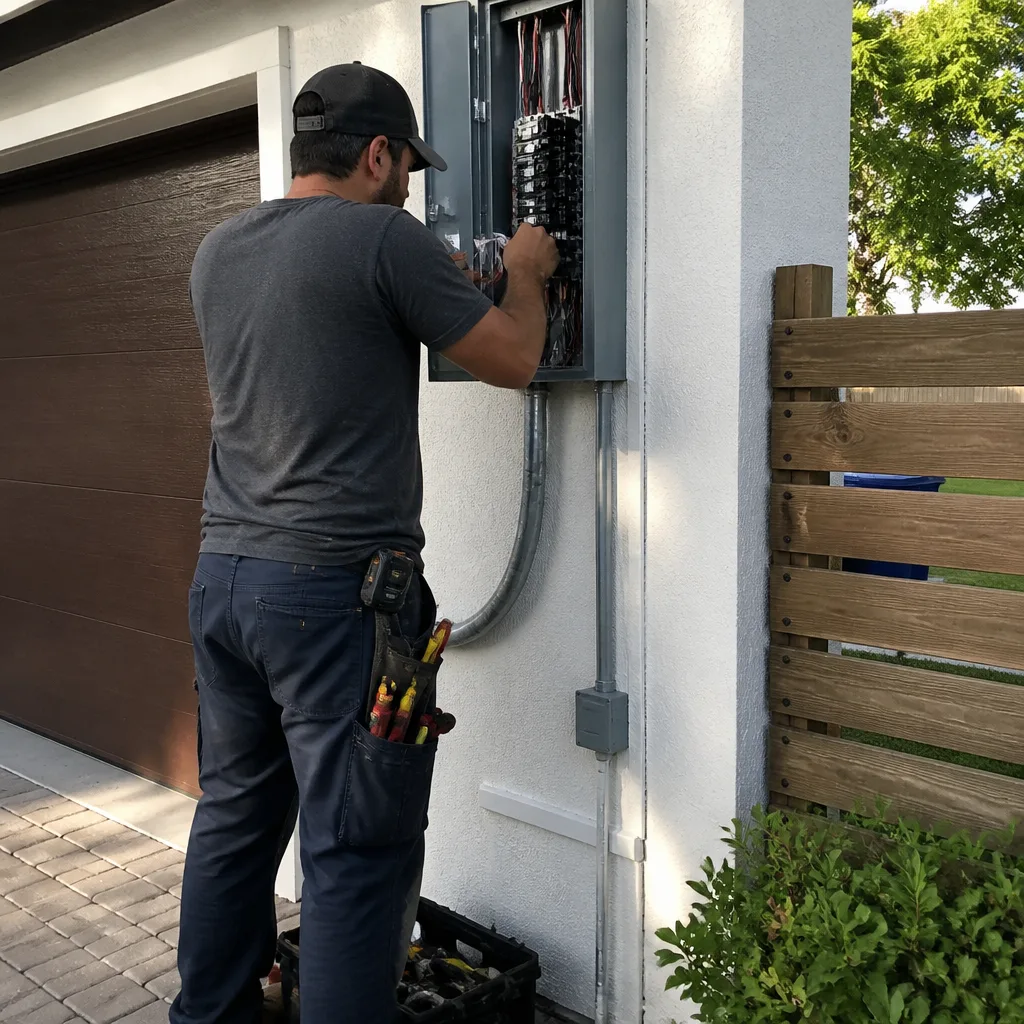
- Exterior outlet and fixture gasket check. Outdoor outlets, hose bibs, and exterior light fixtures rely on rubber gaskets that crack in South Florida’s combination of UV and salt exposure. A cracked gasket admits water slowly, and by the time a breaker trips, corrosion has already begun inside the box.
If any of these checks turns up damage, have a contractor look before the holiday season. The weeks between mid-October and Thanksgiving are one of the most available booking windows for quality crews in West Palm Beach, because many homeowners wait until January to schedule anything.
December – March: The Dry-Season Construction Window
This four-month stretch is the primary construction season in West Palm Beach, and for good structural reasons that go beyond comfort. For a deeper look at timing your project, see The Complete Guide to Construction in West Palm Beach. Relative humidity during December through March averages 10 to 20 points lower than summer levels. That difference matters for adhesives, grouts, joint compounds, paints, and any material that cures rather than dries. A bathroom remodel tiled in January cures in conditions the manufacturer actually intended. The same remodel tiled in August fights ambient moisture the entire curing window, and failures show up six months later as cracked grout lines or lifting tile edges.
Here is what the dry season is genuinely good for in a West Palm Beach home:
- Interior remodeling of any scope. Kitchen Remodeling in West Palm Beach during the dry window means cabinet adhesives, countertop seams, and paint finishes cure predictably. We schedule the dustiest phases when windows can stay open for ventilation without inviting rain inside.
- Exterior painting and sealing. Paint films need days of sub-70 percent humidity to cure correctly. December through March is the only reliable block of those days in South Florida.
- Stucco repair and exterior patch work. Stucco requires a multi-day curing process that summer rain interrupts constantly. A dry-season repair stays uninterrupted.
- Window and door replacement. The opening created during a window swap is an invitation for rain. Dry-season scheduling removes the risk of a sudden shower flooding the rough opening mid-install.
If a family is planning a Bathroom Remodeling in West Palm Beach and wants the work done without disrupting a school-year routine, we often recommend starting the design process in November, applying for permits in December, and scheduling construction for January or February. The timing means the dry season covers the entire construction period, and the finish work lands before spring break when the family may want guests in the house.
April – May: Pre-Rainy-Season Waterproofing
April and May are the last reliable dry weeks before the afternoon downpours begin in earnest. This is the waterproofing window, and the single most important material question in West Palm Beach during these months is caulk. Specifically: is last year’s caulk still doing its job?
Caulk in South Florida fails in a specific pattern. UV exposure breaks down the polymer structure of even premium silicone and polyurethane sealants, a process called carbonation. You can test for it by pressing a fingernail into the caulk bead. Healthy caulk feels slightly rubbery and springs back. Carbonated caulk feels chalky, leaves a mark, or crumbles at the edge. Once carbonation has started, the caulk will not re-adhere to anything, and re-caulking over it is a waste of material.
Here is the April – May waterproofing sequence we recommend for a West Palm Beach home:
- Inspect every exterior caulk joint. Windows, door frames, trim transitions, and any penetration through stucco or siding. Test with the fingernail method above. Replace anything that has carbonated.
- Apply a silane-siloxane water repellent to stucco or masonry. This is the most cost-effective exterior protection available. A single application lasts 7 to 10 years and prevents the slow moisture absorption that causes efflorescence and spalling. Apply only during a dry stretch with at least 48 hours of no rain forecast.
- Seal deck boards and railings. Composite decking needs a UV protectant; natural wood needs an oil-based penetrating sealant. In West Palm Beach, wood decks that skip a sealant cycle will begin cupping within two rainy seasons.
- Check door sweeps and weatherstripping. Rainy season in South Florida includes wind-driven rain that travels horizontally. A worn door sweep admits water not just under the door but into the threshold framing.
- Verify drainage paths around the foundation. Sprinkler heads, landscape timbers, and paver settlement can all redirect water toward the house over the course of a year. Grade should slope away from the foundation by at least six inches over the first ten feet.
These five tasks, done every April and May, prevent the majority of rainy-season water damage we see in West Palm Beach homes from neighborhoods like Old Northwood all the way out to Wellington.
June – September: Working With the Rainy Season
The honest answer about construction during West Palm Beach’s rainy season: exterior work becomes unreliable, and interior work requires planning for humidity. Smart contractors stage projects around both realities. We have run whole-home remodels through summer months successfully by sequencing the work so that weather-sensitive phases land on dry days, and interior phases proceed regardless of afternoon storms.
Here is what contractors can and cannot safely do during rainy season in South Florida:
- Exterior painting: not advisable. The humidity interferes with proper film formation, and afternoon storms can ruin an otherwise perfect application. Most paint failures we see are traced to summer applications.
- Roof work: possible but high-risk. A roof tear-off during June through September is gambling. One afternoon storm on an exposed roof deck causes more damage in an hour than the roof replacement was meant to fix.
- Interior remodeling: fully workable. Interior work proceeds fine in the rainy season if the home’s air conditioning is running and the contractor stages the project to minimize storm exposure during any window or door work. We schedule those phases with weather forecasts close at hand and tarps staged on every site throughout the summer.
- Stucco: small patches only. Stucco needs a continuous cure window. Summer rain interrupts it. Small patches can be protected with plastic sheeting; large areas should wait for the dry season.
- Foundation and concrete work: workable with scheduling care. Concrete cures well in warm, humid conditions, but rain during the finishing stages ruins a pour. Walkways, pads, and driveway sections can be done in summer if the schedule is flexible enough to work around downpours.
The key to keeping a rainy-season project on budget is scheduling discipline. A project that sits stalled for three weeks because the scope included outdoor paint that should have been planned for October has now extended the financing, the logistics, and the family’s disruption for no reason. We write Elmstead Remodeling West Palm Beach home project timelines seasonally, so the work that depends on dry weather is never scheduled in months when dry weather is rare.
UV Degradation: How South Florida Sun Ages Your Home
West Palm Beach sits at roughly 26.7 degrees north latitude. The UV index here averages 8 to 11 during summer months, among the highest in the continental United States. That sun exposure does more to age a home’s exterior than rain does. Different materials degrade on different timelines, and knowing those timelines-along with expected Construction Cost Breakdown: The West Palm Beach Homeowner’s Reference for 2026 figures-tells you exactly when to budget for replacement.
Composite decking: Most composite boards from manufacturers like CertainTeed carry UV stabilizers that last 15 to 25 years before significant fading begins. What fails sooner is the structural hardware. Fasteners, clips, and the ledger board connection all need inspection every five years in West Palm Beach’s sun and salt environment.
Vinyl trim and siding: UV exposure embrittles vinyl over 10 to 15 years in South Florida, faster than the national average. A vinyl corner post that has turned chalky and cracked at the edge has lost its impact resistance and will fail at the next wind event.
Painted wood: Exterior wood paint in West Palm Beach lasts five to seven years on average, but only if it was applied in the dry-season window. Summer-applied paint often fails within one year. The failure pattern is predictable: blistering on sun-facing surfaces where moisture trapped under the film expanded in the heat.
Roofing: Asphalt shingles from brands like Owens Corning and GAF carry warranties that assume a certain level of UV exposure. In West Palm Beach, shingles typically reach the end of their useful life three to five years earlier than the same shingle installed in Georgia or North Carolina. A 30-year shingle in West Palm Beach is realistically a 25-year roof. This is not a product defect; it is the local environment. Roof inspection after year 15 is the right interval for most homes here.
James Hardie fiber cement, which we use on many exterior projects, carries a 30-year non-prorated warranty specifically because it does not degrade under UV the way vinyl and wood do. The product choice matters more in West Palm Beach than it would in a milder climate, and the named-brand materials we specify are chosen partly for how they hold up under this specific sun.
A Month-by-Month Home Care Schedule for West Palm Beach
Here is the full year, laid out in sequence. This schedule assumes a single-family home of typical construction in West Palm Beach, and the tasks assume standard materials common throughout the city’s housing stock.
- January: Interior remodeling continues. Schedule exterior paint consultations now. Inspect attic for any signs of moisture from the prior rainy season. Check AC condensate line.
- February: Schedule exterior repainting if needed. Continue interior work. Inspect window and door weatherstripping. Check irrigation system for leaks.
- March: Complete exterior paint. Final month of ideal exterior working conditions. Inspect the roof surface. Dust and clean ceiling fans and vents.
- April: Begin the waterproofing sequence. Test all exterior caulk. Apply silane-siloxane repellent to masonry. Check door sweeps.
- May: Finish waterproofing. Verify drainage around the foundation. Trim trees away from the roofline before hurricane season. Inspect hurricane shutter tracks for corrosion.
- June: Rainy season begins. Shift all new exterior work to the schedule for October. Interior remodeling proceeds. Inspect dryer vent for lint blockage.
- July: Interior work continues. Check for any water intrusion after heavy storms. Inspect AC drain pan and condensate line. Verify sump pump if present.
- August: Rainy season peak. Interior work continues. Check attic for any roof leaks after intense afternoon storms. Verify exterior outlets are still sealed.
- September: Rainy season peak. Continue interior work. Begin compiling the post-hurricane-season inspection list. Check window and door seals for separation.
- October: Post-hurricane-season triage. Fastener torque checks. Flashing reseating. Impact glass seal inspection. Begin scheduling dry-season exterior work.
- November: Complete exterior repairs while the weather holds. Begin scheduling any January interior remodeling that needs permits. Inspect gutters after fall leaf drop.
- December: Final dry-season month before the calendar flips. Complete any outstanding exterior sealing. Prepare the home for holiday guests. Confirm January project schedules.
This schedule works because it respects West Palm Beach’s two-season reality instead of trying to impose a northern maintenance calendar on a subtropical house. Every task lands in the window when it can actually be completed well.
Common Mistakes to Avoid
- Painting exterior surfaces between May and September. The paint traps moisture as it cures, and the film blisters within months. No paint warranty covers this, because every manufacturer’s label excludes application in high humidity.
- Ignoring caulk until it visibly fails. By the time caulk has visibly cracked or pulled away from the surface, the water has already been getting behind it for months. The fingernail test should happen every April.
- Scheduling roofing work during hurricane season. A roof deck exposed during a summer storm can take on enough water in one afternoon to require replacing ceiling drywall throughout the house. Roof work belongs in the dry months only.
- Treating a 30-year shingle as a 30-year promise in South Florida. West Palm Beach’s UV index ages roofing materials faster than most of the country. Inspect after year 15, and plan to replace between years 20 and 25.
- Deferring October inspections until spring. The whole point of post-hurricane-season triage is catching loose fasteners and lifted flashing before the rainy season finds them. By March, the damage has compounded.
- Running exterior water fixtures through cracks gaskets. Outdoor outlets and hose bibs with cracked rubber gaskets are slow leaks. By the time they show symptoms indoors, the wall cavity has already been wet for months.
- Hiring a contractor who cannot show a written price before starting. A project with a vague estimate becomes a project that grows. In West Palm Beach, where seasonal scheduling matters, a contractor without a fixed written price has no incentive to finish on the schedule the family planned around.
When to Call a Professional
Some seasonal care tasks are truly do-it-yourself work: testing caulk, checking door sweeps, inspecting gutters for bracket sag. But there are moments when the right call is a professional with the equipment and experience to diagnose properly. If your fastener check turns up a hurricane strap that has pulled loose from the truss, that is structural. If flashing around the chimney has lifted and you can see daylight, that is a leak waiting for the next storm. If impact glass seals have separated, the window’s entire protective rating is compromised. If a summer storm has already caused water staining on a ceiling, the leak’s true entry point is rarely where the stain appears. Elmstead Remodeling West Palm Beach offers free estimates in West Palm Beach. Call (728) 203-3270, and a live person answers, any hour, any day.
Frequently Asked Questions
The best time to remodel a home in West Palm Beach is December through March, when lower humidity allows adhesives, paints, grouts, and joint compounds to cure exactly as manufacturers intended. Interior remodeling can proceed year-round with proper staging, but the dry season is the most reliable window for any work involving finishes that cure. Call (728) 203-3270 to discuss your project timing.
Exterior repainting for a typical 2,000-square-foot West Palm Beach home generally ranges from $4,000 to $9,000 depending on surface condition, number of stories, and paint grade. A written price is provided before any work starts, every time, so the number you approve is the number you pay. Call (728) 203-3270 for a free estimate.
Interior remodeling work proceeds safely through the rainy season, while exterior work like painting, stucco, and roofing should wait for the dry months. A well-managed project schedules weather-sensitive phases around the forecast and stages tarps on site for any window or door swap. Call (728) 203-3270 to schedule a project plan that accounts for South Florida’s seasonal weather.
Exterior caulk in West Palm Beach should be tested every April and replaced whenever it has carbonated, which typically happens every 3 to 5 years under South Florida’s UV exposure. The fingernail test, pressing into the bead to see if it springs back or crumbles, gives you a definitive answer in under a minute per window. Call (728) 203-3270 to have a professional check your entire exterior seal condition.
Yes, the 365-Day Done Right Promise covers every completed project from Elmstead Remodeling West Palm Beach, including seasonal maintenance and repair work. If it is not done right, the team makes it right, with no charge to the homeowner. Call (728) 203-3270 to schedule work backed by that commitment.
Hurricane shutters should be inspected every October and May, checking tracks for corrosion, verifying fasteners are torqued, and confirming the shutters deploy and lock correctly before storm season begins. Salt air and UV combine to degrade shutter hardware faster than most homeowners expect. Call (728) 203-3270 to schedule a pre-season shutter check.
The Bottom Line
West Palm Beach home care is a two-season discipline. The dry months from October through April are for execution: painting, sealing, structural repair, and the interior remodels that cure properly in low humidity. The wet months from May through September are for protection: waterproofing, staging, and interior work that proceeds inside climate control. Families who follow this rhythm avoid the compounding damage that comes from deferred exterior maintenance. Explore more guides & resources to keep your home protected year-round. The written price comes before any work starts, every time, and a live person answers the phone around the clock. The free estimate is the first step. Call (728) 203-3270.
Written by Graham Stein, Owner at Elmstead Remodeling West Palm Beach, serving West Palm Beach since 2005.
See the difference
 Before
 After
After Before
 After
After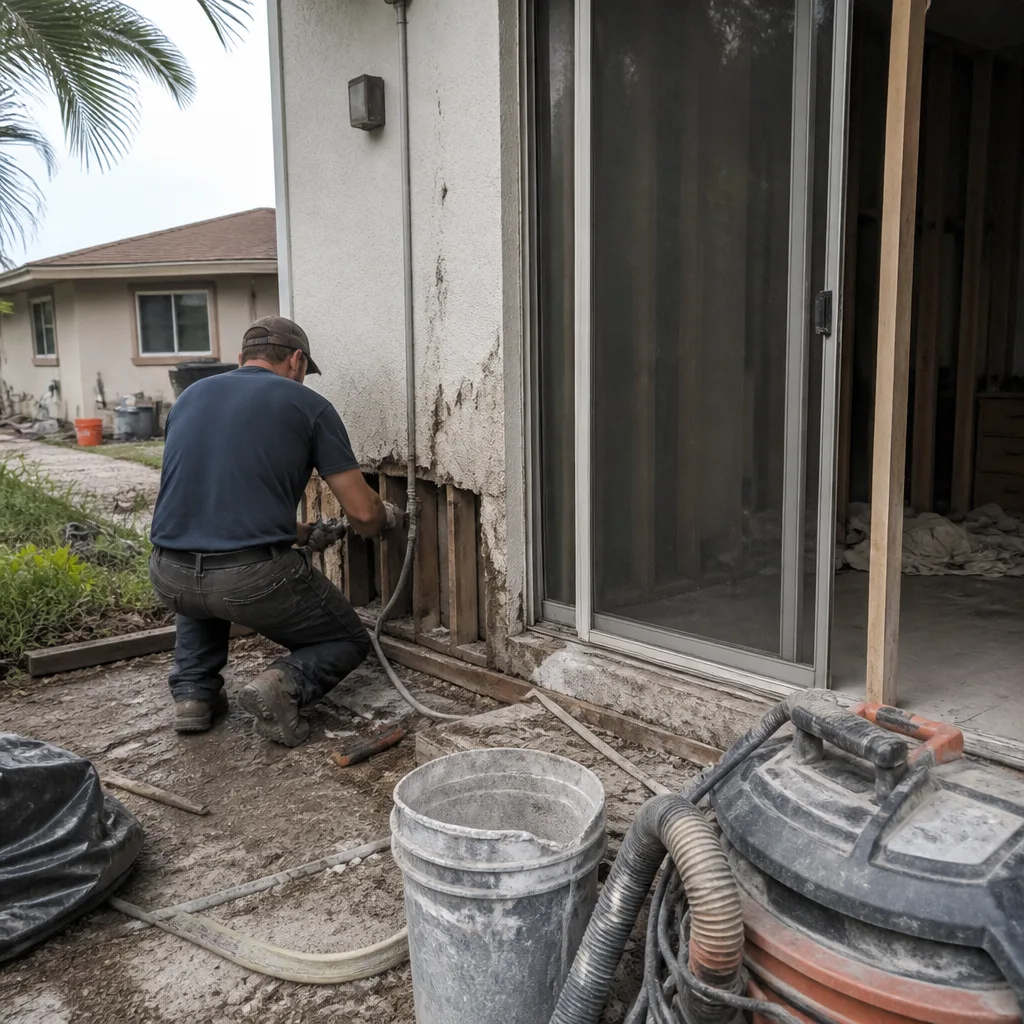 Before
 After
After