Last updated October 15, 2026





Free written scope consultation - allowances, timeline, and change-order rules on paper before a single trade is scheduled
How to Hire a Construction Contractor in West Palm Beach: A Step-by-Step Guide
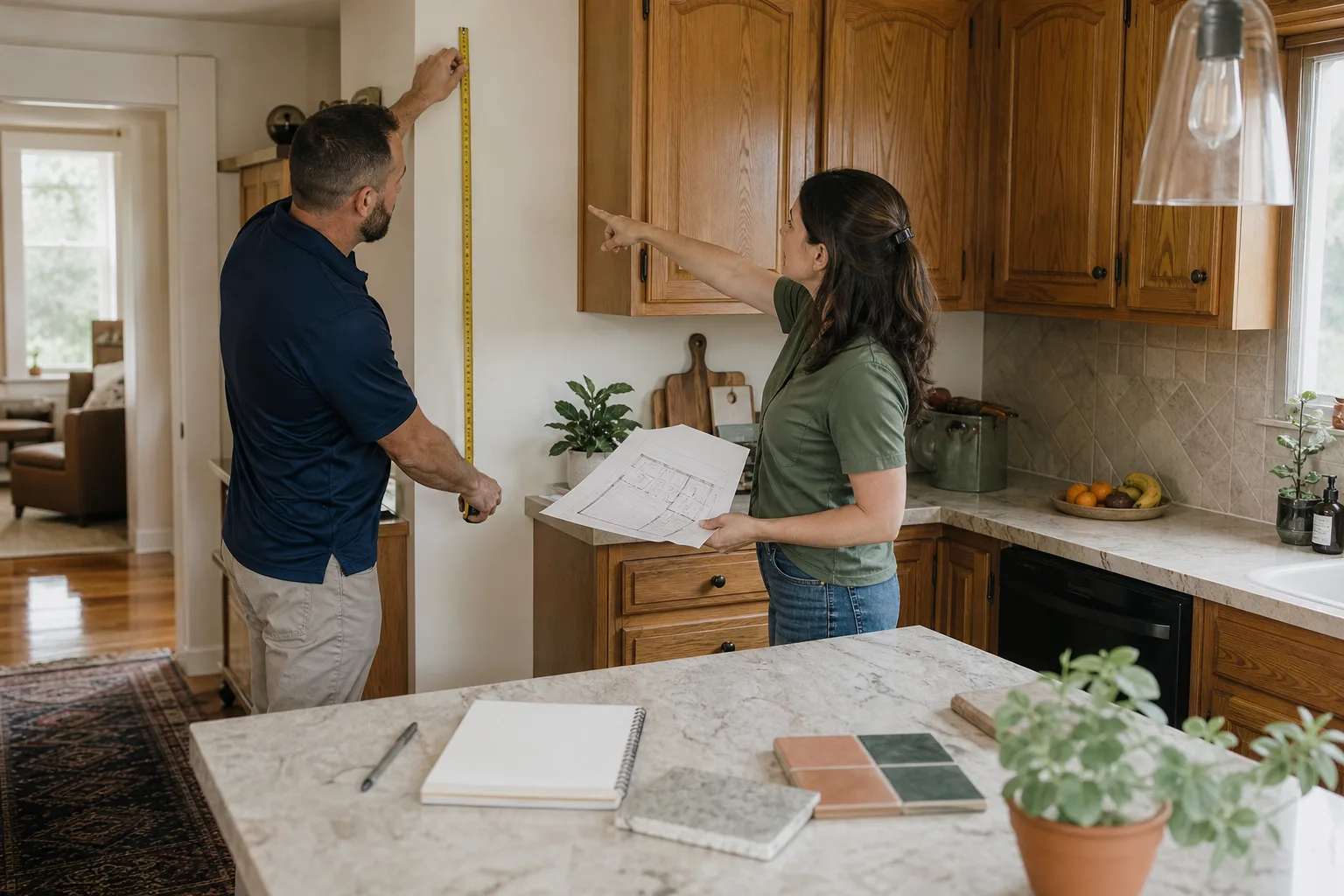
Florida law caps contractor deposits at 10% of the contract price for jobs over $2,500. Still, a 2023 Florida Attorney General report cited construction deposit fraud as the state’s most-complained-about consumer issue for the fourth consecutive year. The gap between what the law allows and what actually happens is where homeowners in West Palm Beach get hurt. This guide walks you through the exact verification sequence we recommend to our own neighbors: checking a license on the DBPR website, reading a contract for the clauses that actually protect you in Palm Beach County, and asking the questions that reveal how a contractor really runs a job site in your home. For more guides & resources, visit our blog.
Styles & brands we work with

Quick Answer
To hire a construction contractor in West Palm Beach, verify their Florida Certified General Contractor license on the DBPR website (not just “registered”), get a written contract with named materials and a change-order clause before any money changes hands, confirm they’ll pull the permit in their name, and ask specifically how they handle daily cleanup, pet and child safety, and quiet hours. Then cap your deposit at 10% for jobs over $2,500 and check that lien waivers are scheduled in the contract.
Table of Contents
- Step 1: Verify the License on the DBPR Website (It Takes Two Minutes)
- Step 2: Understand Certified vs. Registered – and Why It Matters in West Palm Beach
- Step 3: Read the Contract for the Four Clauses That Actually Protect You
- Step 4: Confirm the Permit Gets Pulled in the Contractor’s Name
- Step 5: Ask the Questions That Reveal How a Job Site Actually Runs
- Step 6: Recognize the Red Flags Specific to West Palm Beach’s Storm Season
- Step 7: Compare Bids on More Than Price
- Common Mistakes to Avoid
- When to Call a Professional
- Frequently Asked Questions
- The Bottom Line
Step 1: Verify the License on the DBPR Website (It Takes Two Minutes)
Every legitimate contractor working in West Palm Beach carries a license issued by the Florida Department of Business and Professional Regulation (DBPR). The verification lookup is free, public, and takes less time than reading the menu at a drive-through. Go to the DBPR website, enter the contractor’s name or license number, and check that the license is “Active” and lists “Certified General Contractor” or the specific trade license that matches the work being quoted.
We’ve had homeowners in West Palm Beach bring us bids from contractors whose DBPR license showed “Inactive” or had expired six months earlier. One had a license number that belonged to a different contractor entirely. The DBPR page also shows complaints and disciplinary actions filed against the license holder. A single complaint from a decade ago might mean nothing. A pattern of complaints about deposits and unfinished work means you close the tab and move on.
Here’s the two-minute verification sequence we recommend to anyone hiring in Palm Beach County:
- Get the full license number in writing. A contractor who hesitates to provide it has just told you something important. Florida law requires license numbers on all contractor ads, vehicles, and contracts, so there’s no good reason for anyone to be vague about it.
- Enter the number on the DBPR “Verify a License” page. The state runs the lookup at myfloridalicense.com. The contractor’s name, license type, status, and expiration date appear immediately.
- Check the status field. If it says anything other than “Active” or “Current,” stop. Inactive licenses mean the contractor can’t legally pull permits in West Palm Beach.
- Cross-check the name. The name on the license must match the name on the contract. Not a cousin, not a business partner, not a DBA that isn’t registered. The exact name.
This step filters out most of the contractors who cause problems in Palm Beach County. It’s not because bad contractors are common here; it’s because good ones make this step easy. The General Contractor in West Palm Beach page on our site walks through how our own licensing verification works for anyone who wants to see the standard.
Step 2: Understand Certified vs. Registered – and Why It Matters in West Palm Beach
The Florida DBPR issues two different contractor license types: “Certified” and “Registered.” The difference is not a formality and it affects your project directly. A Certified General Contractor has passed the state-level exam and can work anywhere in Florida. A Registered contractor is licensed only within the specific local jurisdiction that issued the registration, which is often a single county or municipality.
For a homeowner in West Palm Beach, the practical difference usually shows up during the permit process. Certified contractors can pull permits throughout Palm Beach County without requesting a local competency review. Registered contractors may need to verify their credentials with each local building department before the permit gets issued, and some West Palm Beach projects, particularly those involving structural changes, end up requiring the certified credential anyway.
There’s a second layer that matters here: insurance. Florida’s construction defect statute, Chapter 558, affects how disputes get resolved, and the contractor’s licensing status affects how a homeowner can pursue a claim. We’ll avoid a lecture on statutory construction defect law and keep it practical: when you verify the license, prefer a “Certified General Contractor” for anything that touches structure, electrical, plumbing, or load-bearing walls. The verification takes two minutes and eliminates a whole category of risk.
We are a Cedarwell company, and like every Elmstead location, we hold the same standard across our crews: named-brand materials, written pricing, and the 365-Day Done Right Promise, which means if something isn’t right after the job is complete, we make it right. That promise is stamped on every project. But before a family hires us or any contractor in West Palm Beach, we recommend verifying the license independently. It’s the same step we’d tell a friend to take.
Step 3: Read the Contract for the Four Clauses That Actually Protect You
The contract is where most West Palm Beach homeowners get protected or get exposed. Palm Beach County sees nearly every type of residential construction dispute, but the ones that cost families the most money share a common root: the contract didn’t name the things that later became the dispute. For a deeper look at protecting your investment, see our Construction Cost Breakdown: The West Palm Beach Homeowner’s Reference for 2026. A verbal promise made during a walkthrough carries no weight in a storm-damage dispute or an insurance claim review. Four clauses do the work. Here they are.
- Written scope of work. This is not a bullet point that says “remodel kitchen.” It is a room-by-room, surface-by-surface, fixture-by-fixture description of what gets done. It names the products: cabinets from KraftMaid or Wellborn, countertops from Cambria or Silestone, fixtures from Kohler or Moen. Every line item is written. Nothing is “as discussed.” A written scope is the single most important protection a homeowner can negotiate, and it costs nothing to demand it.
- Named materials and finishes. The contract should list the exact product names, not categories. “Builders-grade faucet” is a category; “Moen Align single-handle pull-down faucet in brushed nickel” is a material. When materials are named, the contractor cannot substitute a lower-cost equivalent without a written change order. This matters in West Palm Beach because coastal humidity and salt air punish cheap finishes quickly, and a substitution made to preserve a margin becomes a visible problem within two years.
- Change-order signature requirement. The contract must state that no change to the scope or price takes effect unless both parties sign a written change order. Not a text message, not a conversation in the driveway, not a “we’ll figure it out later.” In our experience, verbal change orders are the single largest source of end-of-project price disputes in Palm Beach County. The clause costs nothing and eliminates the most common cause of contractor conflict.
- Lien waiver schedule. Florida’s Construction Lien Law (Chapter 713) gives subcontractors and suppliers the right to place a lien on your home if the contractor doesn’t pay them, even if you’ve already paid the contractor in full. A lien waiver schedule in the contract means you receive a signed waiver from each subcontractor and supplier before you release payment. Every payment you make should be conditional on receiving the corresponding waivers. No waivers, no payment. That’s the rule.
The contract also must state the payment schedule, the start date, and a reasonable completion date. Florida law limits deposits to 10% of the contract price for jobs over $2,500, but the state allows the contract to set a different schedule for subsequent payments. Tie payments to milestones, not to dates. Payment when the drywall is hung, not payment on the third Friday of the month.
Step 4: Confirm the Permit Gets Pulled in the Contractor’s Name
Palm Beach County and the City of West Palm Beach both require building permits for most remodeling work. The permit exists for two reasons: it creates a public record showing the work was done, and it triggers the inspection process that verifies the work meets code. But here’s the legal detail most generic hiring guides miss: Florida allows a homeowner to pull a permit as an “owner-builder,” and some contractors will quietly suggest this arrangement to save themselves licensing liability or to move the job faster.
Pull your own permit and you assume legal liability for the construction. You become the contractor in the eyes of the state and, more importantly, in the eyes of your insurance company. Florida courts have repeatedly held that homeowner-builder permits void certain insurance coverages when the work later fails, because the homeowner, not a licensed contractor, was legally responsible for the construction. A wind-mitigation credit on your insurance policy requires documentation showing the work was done by a licensed contractor with a permit issued in that contractor’s name. Skip that, and the credit is gone.
The question to ask before you sign: “Will you pull the permit in your name, and will you provide the permit number once it’s issued?” The answer should be an uncomplicated yes. If the contractor suggests you pull the permit yourself to “save money,” treat that suggestion as a red flag. The savings are not yours. The liability is.
When we pull permits in West Palm Beach, we also bring the C.A.R.E. values to the job: Clean up like it is our own home; Ask before we move or touch anything; Respect the family’s time and quiet hours; Explain the price before the work. Those values don’t replace the permit. They just describe how the job will run once the permit is posted.
Step 5: Ask the Questions That Reveal How a Job Site Actually Runs
Every contractor in West Palm Beach will say they respect your home. The question is whether their daily behavior proves it. We recommend asking three specific questions in the interview, because the answers reveal more about how a contractor treats a home than any number of references. The questions are about daily cleanup, pet and child safety, and quiet hours, and here’s why each one matters.
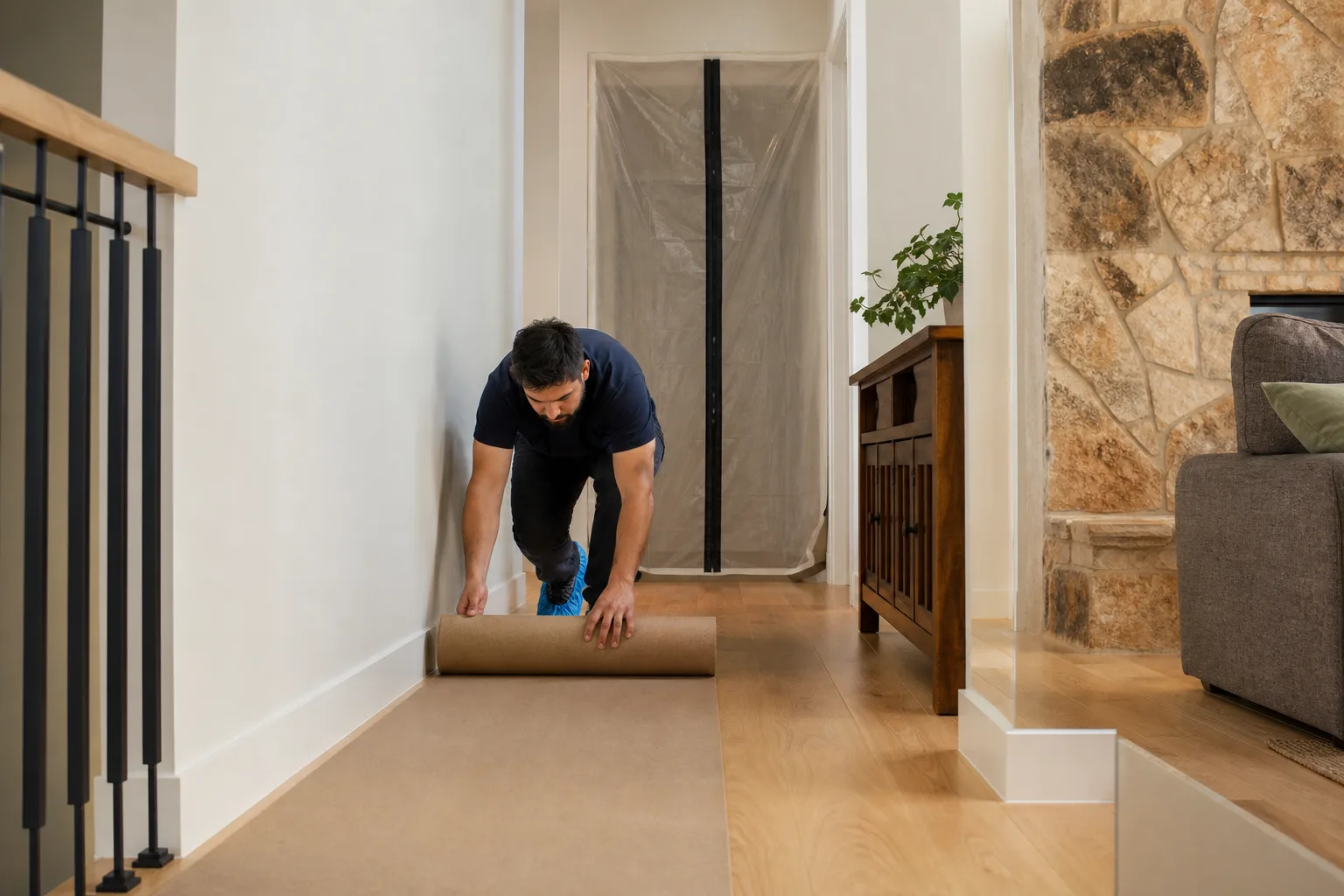
Daily cleanup: “Walk me through how the crew leaves the job site at the end of each day.” Listen for specifics. Drop cloths on the floors. Shoe covers at the door. A sweep at the end of the shift. A photo of the clean-up before the crew leaves. If the answer is vague, push for detail. How a contractor cleans up at 4:30 p.m. is how they clean up at project end. We photograph the clean-up before the crew leaves, and we do it every single day, not just on the final walkthrough. Families with children and pets notice the difference.
Pet and child safety barriers: “How do you keep kids and pets out of the work area?” The answer should name physical barriers, not promises. In West Palm Beach, many homes have open floor plans where a temporary plastic barrier is the only thing between a toddler and a saw. A contractor who has thought about this will answer without pausing: temporary walls, zippered barriers, keeping sharp materials off the floor, and never leaving a blade exposed when the crew steps away. Pet-safe product choices can also be specified where there is a choice (low-VOC paints and pet-safe sealers), and that option should come up in this conversation.
Quiet-hours policy: “What are your quiet hours, and how do you handle nap time?” This question lands differently than “are you respectful of the home.” It asks the contractor to name a policy. The best answer includes something specific: quiet tools during family rest hours where possible, no hammering after a certain time, radios at low volume or headphones. A contractor who has never thought about it will say something like “we’re pretty respectful,” which means the policy doesn’t exist. In our experience, a contractor who can’t answer the quiet hours question will also struggle to answer the change-order question when it comes up mid-project.
These questions work because they’re concrete. They don’t allow easy self-praise. They ask for a procedure, and good contractors have procedures. The same standard applies to product selection: cabinets from KraftMaid and Wellborn, countertops from Cambria, Silestone, and Caesarstone, fixtures from Kohler, Moen, and Grohe, and exteriors from James Hardie, GAF, CertainTeed, Owens Corning, IKO, or Atlas. Named brands, named warranties, verifiable by the homeowner through the manufacturer. That’s how a contractor talks when they have nothing to hide.
Step 6: Recognize the Red Flags Specific to West Palm Beach’s Storm Season
West Palm Beach sees a predictable surge of contractor activity after every hurricane season. Some of that activity is legitimate. Much of it is not. For year-round maintenance strategies, read our Seasonal Construction Care for West Palm Beach: Year-Round Homeowner’s Guide. The Florida Attorney General and the Palm Beach County Consumer Affairs Division both publish warnings specifically about post-storm contractor fraud, and the patterns repeat every year. Here are the red flags we tell our own neighbors to watch for.
- Out-of-state license “reciprocity” claims. Florida does not have reciprocal licensing agreements with most states for general contracting. A contractor from Texas or Georgia cannot simply “transfer” their license. They must apply through the Florida DBPR and meet Florida’s requirements. Anyone who says their out-of-state license is “good enough for Florida” is wrong, and a West Palm Beach homeowner who hires them loses the state’s regulatory protections entirely.
- Storm-chaser door knocks. After a major storm, out-of-state crews canvas damaged neighborhoods, offering immediate repairs at cash prices. Some are legitimate roofers from Tampa or Miami. Some are unlicensed crews taking deposits and never returning. The DBPR specifically warns about this pattern every hurricane season. If someone knocks on your door after a storm and asks for a deposit, close the door and verify the license first.
- Unusually fast permit promises. Palm Beach County’s building department moves at a specific pace, and no contractor can skip the line. A contractor who promises a permit “in two days” or says they have “an inside connection” at the building department is either lying or proposing to work without a permit. Neither option is acceptable. In West Palm Beach, the permit process takes what it takes, and a contractor who respects the process will tell you the actual timeline rather than the one you want to hear.
- Deposit requests above 10%. Florida law is explicit: for jobs over $2,500, the contractor may not request or accept a deposit greater than 10% of the contract price. A contractor who asks for 20%, 30%, or “half up front” is violating state law on the first interaction. The 2023 Florida Attorney General report found that excessive deposits were a leading indicator of later fraud. If they ask for more than 10%, you have your answer.
- Pressure to sign before a written estimate exists. A written estimate is a document. It lists scope, materials, and price. A contractor who wants a signature before producing that document is asking you to commit to an unknown. No legitimate remodeling project in West Palm Beach requires that. Our own policy is to provide a written price before any work starts, always, on every project. It’s not an optional add-on; it’s the opening move.
Step 7: Compare Bids on More Than Price
When you have bids from three contractors, the instinct is to compare the final numbers. That instinct will cost you money. The correct comparison is line by line: what materials are named, what scope is written, what warranty is offered, what cleanup protocol exists, and what the payment schedule actually says. A bid that is $8,000 lower than another is not automatically better; it may simply omit two months of daily cleanup, substitution-protected materials, and a post-completion warranty.
Here’s the comparison we recommend making in West Palm Beach. It’s the same one we’d suggest to a family debating between two quotes:
- Materials by brand name. Does the bid say “new cabinets” or “KraftMaid cabinets in a Shaker door style with soft-close hinges”? Named brands mean the homeowner can verify the product independently. Generic terms mean the contractor controls substitution.
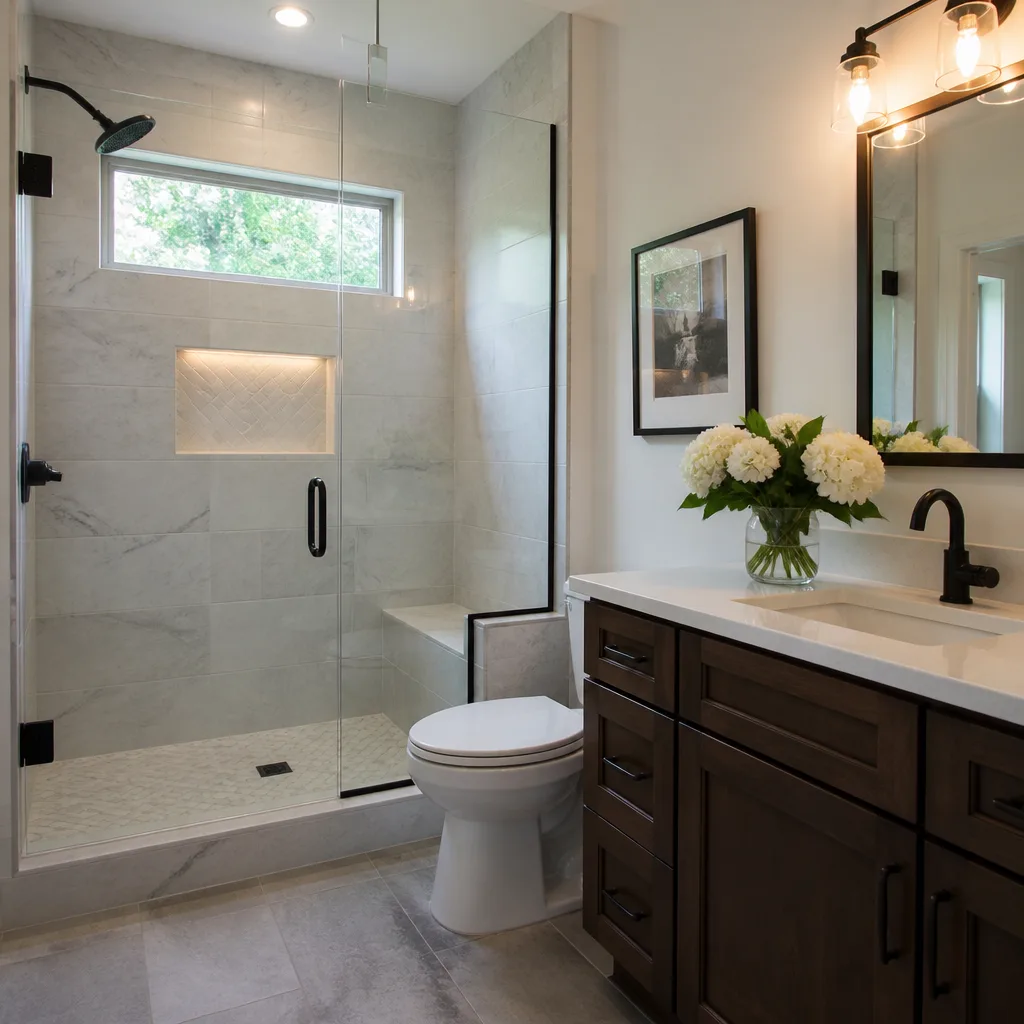
- Cleanup protocol written into the bid. Does the proposal mention specific daily cleanup procedures, or does it assume the crew will “clean as they go”? A written cleanup protocol is part of the job, not a favor. Our Bathroom Remodeling in West Palm Beach projects always include a daily cleanup photo and shoe covers on every visit, written into the proposal, never as an add-on.
- Warranty terms in writing. The 365-Day Done Right Promise means if it’s not done right after the job is complete, we make it right. That’s one specific, stated commitment. Other contractors may offer different terms. The point is that the terms exist in writing. A contractor who won’t put a warranty in writing is telling you how they’ll respond when something goes wrong a year later.
- Payment schedule tied to milestones. Not to dates. To completed, inspected milestones.
- Timeline with a reasonable range. A kitchen remodel in West Palm Beach takes weeks. A whole-home remodel takes months. A contractor who promises a bathroom remodel in four days is either planning to cut corners or already lying. Ask for a written schedule with a realistic completion range, and accept that good work takes time.
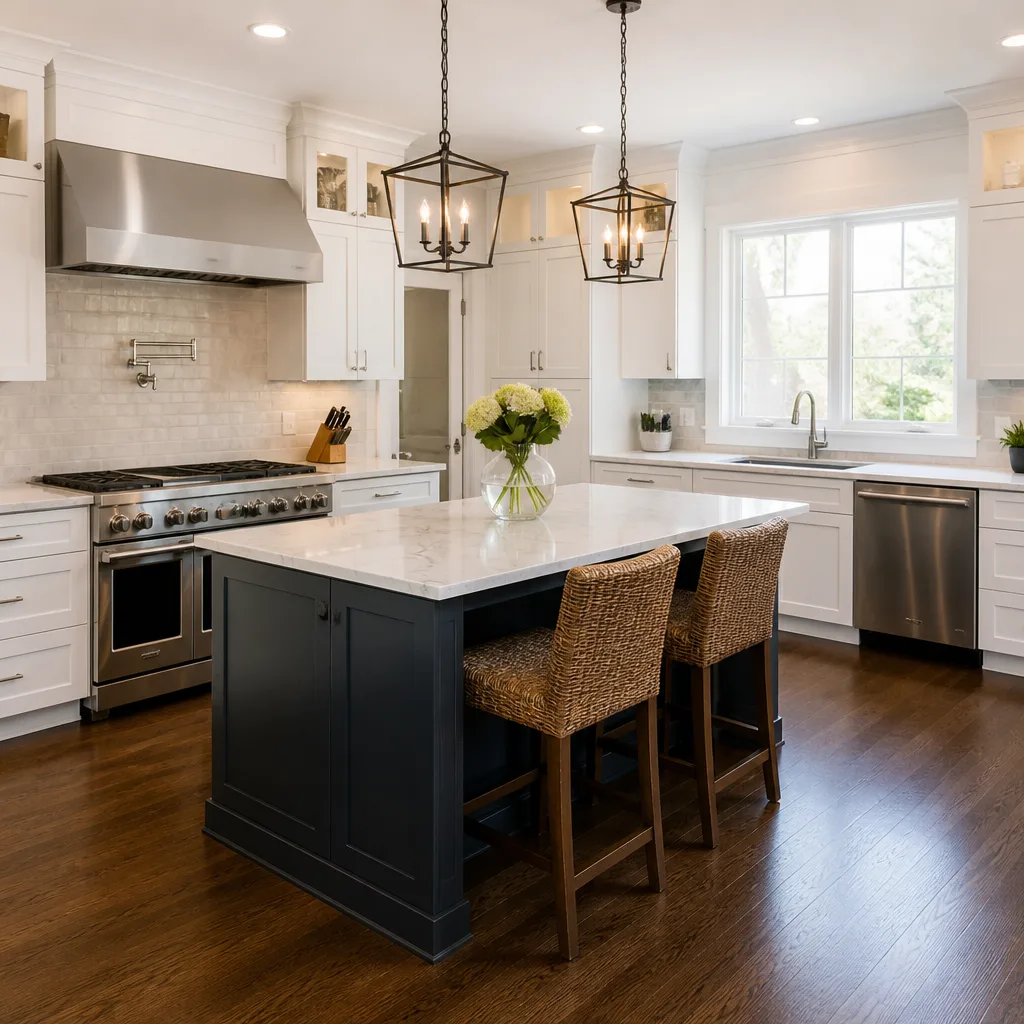
For a deeper look at what a full kitchen project involves, our Kitchen Remodeling in West Palm Beach page walks through the process from first walkthrough to final inspection.
Common Mistakes to Avoid
- Skipping the DBPR license check. The verification is free and takes two minutes. Skipping it is the single most common mistake West Palm Beach homeowners make, and it’s the one that unlocks all the others. An unlicensed contractor cannot pull a permit, cannot provide lien waivers, and leaves the homeowner with no state regulatory recourse when the work fails.
- Paying a deposit over 10%. Florida law caps deposits at 10% for jobs over $2,500. A contractor who asks for more is already violating state law. The request itself is the red flag.
- Agreeing to verbal changes. Mid-project changes are normal. Verbal changes are not. In Palm Beach County, the verbal change order is the most common source of end-of-project billing disputes. Every change, however small, goes in writing and gets signed by both parties before the work starts.
- Pulling the permit as an owner-builder. The contractor’s suggestion to “save money” on the permit shifts construction liability to the homeowner and voids certain insurance coverages. The permit belongs in the contractor’s name, every time.
- Hiring on lowest bid alone. A low bid is often a partial bid: fewer line items, generic materials, no cleanup protocol, no warranty language. Comparing total price without comparing scope and protections is not a comparison at all.
- Ignoring the cleanup and safety questions. How a contractor answers questions about daily cleanup, pet and child barriers, and quiet hours is the most reliable signal of how they’ll actually treat the home. A contractor who can’t answer these questions with specifics has never thought about them.
- Signing before reading the lien waiver schedule. Without lien waivers scheduled in the contract, a homeowner can pay the contractor in full and still end up with a subcontractor’s lien on the property. The waiver schedule is not optional.
When to Call a Professional
Call a contractor the moment you’re planning structural work, plumbing changes, electrical work, or any project that touches load-bearing walls or waterproofing. In West Palm Beach, the building code and coastal climate make these projects especially unforgiving, and a contractor who holds the right license, pulls the permit in their name, and carries the corresponding insurance is the only person who should be doing the work. If you’re in the planning stages and want to talk through scope, materials, and pricing, Elmstead Remodeling West Palm Beach home page is a good starting point. We offer free estimates in West Palm Beach, and our phone is answered by a live person around the clock, so you can call (728) 203-3270 and reach a human being who can discuss your project. No voicemail box. No bot. Just a person who knows the local market and can talk through what the job will actually involve.
Frequently Asked Questions
A kitchen remodel in West Palm Beach typically runs between $35,000 and $90,000 depending on the size of the kitchen and the materials chosen, with cabinetry from KraftMaid or Wellborn starting around $12,000 and stone countertops from Cambria, Silestone, or Caesarstone adding $4,000 to $8,000. For comprehensive project planning, see The Complete Guide to Construction in West Palm Beach. The final price depends on the written scope of work, and that’s the part worth taking time on. Call (728) 203-3270 for an exact quote based on your kitchen’s specific dimensions and material selections; estimates are free.
A bathroom remodel in West Palm Beach typically takes between two and six weeks depending on whether you’re replacing surfaces or changing the floor plan, moving plumbing, or adding a curbless shower. The permit process in Palm Beach County adds time on the front end, and a contractor should be able to give you a written schedule with a realistic range before the job starts. Call (728) 203-3270 to get a realistic timeline for your specific bathroom.
The 365-Day Done Right Promise is a written commitment from Elmstead Remodeling West Palm Beach that if something isn’t done right after the job is complete, we make it right within the first year. It covers every completed project, and it’s stamped on the paperwork, not just mentioned in a sales conversation. It’s the longest-standing post-project commitment in our service area, and it exists because a one-year promise forces a contractor to build the job correctly the first time.
Yes, most kitchen and bathroom remodels in West Palm Beach require a permit from the City of West Palm Beach or Palm Beach County building department, especially when the work involves plumbing, electrical, structural changes, or moving walls. A licensed contractor should pull the permit in their own name, and the permit number should appear on your paperwork. Work done without a permit can complicate a future home sale and may void insurance coverage for the construction.
Go to the Florida DBPR website, enter the contractor’s license number, and look for the complaints and disciplinary actions section on their license record. The database is free and public, and it shows any formal complaints filed with the state. A clean record doesn’t guarantee a perfect experience, but a record of deposit disputes or unfinished work tells you to walk away, and it takes less than two minutes to check.
A construction lien waiver is a legal document that releases a homeowner from liability for unpaid subcontractor or supplier bills once the contractor has been paid. Florida’s Construction Lien Law allows unpaid subcontractors to place a lien on your property even if you’ve paid the general contractor in full. Your contract should include a lien waiver schedule that requires the contractor to provide signed waivers before you release each payment. No waivers, no payment.
The Bottom Line
Hiring a construction contractor in West Palm Beach comes down to verification, written protections, and specific questions. Verify the license on the DBPR website. Read the contract for the written scope, named materials, change-order clause, and lien waiver schedule. Confirm the permit gets pulled in the contractor’s name. Ask about daily cleanup, pet and child safety, and quiet hours, and listen for specific answers, not generalities. Cap the deposit at 10%, compare bids line by line, and walk away from any contractor who pressures you to skip a step. The right contractor makes every one of these steps easy. The wrong one makes you feel unreasonable for asking. That feeling is your answer.
Written by Graham Stein, Owner at Elmstead Remodeling West Palm Beach, serving West Palm Beach since 2005.
See the difference
 Before
 After
After Before
 After
After Before
 After
After