Free written scope consultation - allowances, timeline, and change-order rules on paper before a single trade is scheduled
James Hardie Kitchen Remodeling: The West Palm Beach Owner’s Guide
If you’re searching for a contractor who works with James Hardie materials in West Palm Beach, the typical full kitchen remodel using HardieBacker board as the substrate for tile runs between $14,000 and $45,000. The board itself is what fails first in most Florida kitchens: moisture wicking up from a damp slab, a slow leak behind a cabinet toe-kick, or grout that cracked years ago and let water sit against the board until it softened. At Elmstead Remodeling West Palm Beach, we carry HardieBacker in stock on our trucks, and we give you a written price before any work starts.
Graham Stein grew up in Los Angeles, learned the trade at Los Angeles Trade-Technical College, and has torn out enough water-damaged board in West Palm Beach kitchens to know exactly what’s behind the tile before the first cut. That’s the kind of knowledge you want when a floor feels soft underfoot in Flamingo Park or you’ve spotted a black line running along the baseboard near the dishwasher. You’ll get the written estimate, the itemized materials list with HardieBacker called out by sheet count, and a start window we actually keep.
We’re an independent contractor in West Palm Beach, not affiliated with James Hardie, but we install their board the way the manufacturer specifies and we stand behind the work with our 365-Day Done Right Promise.
Which James Hardie Models This Applies To
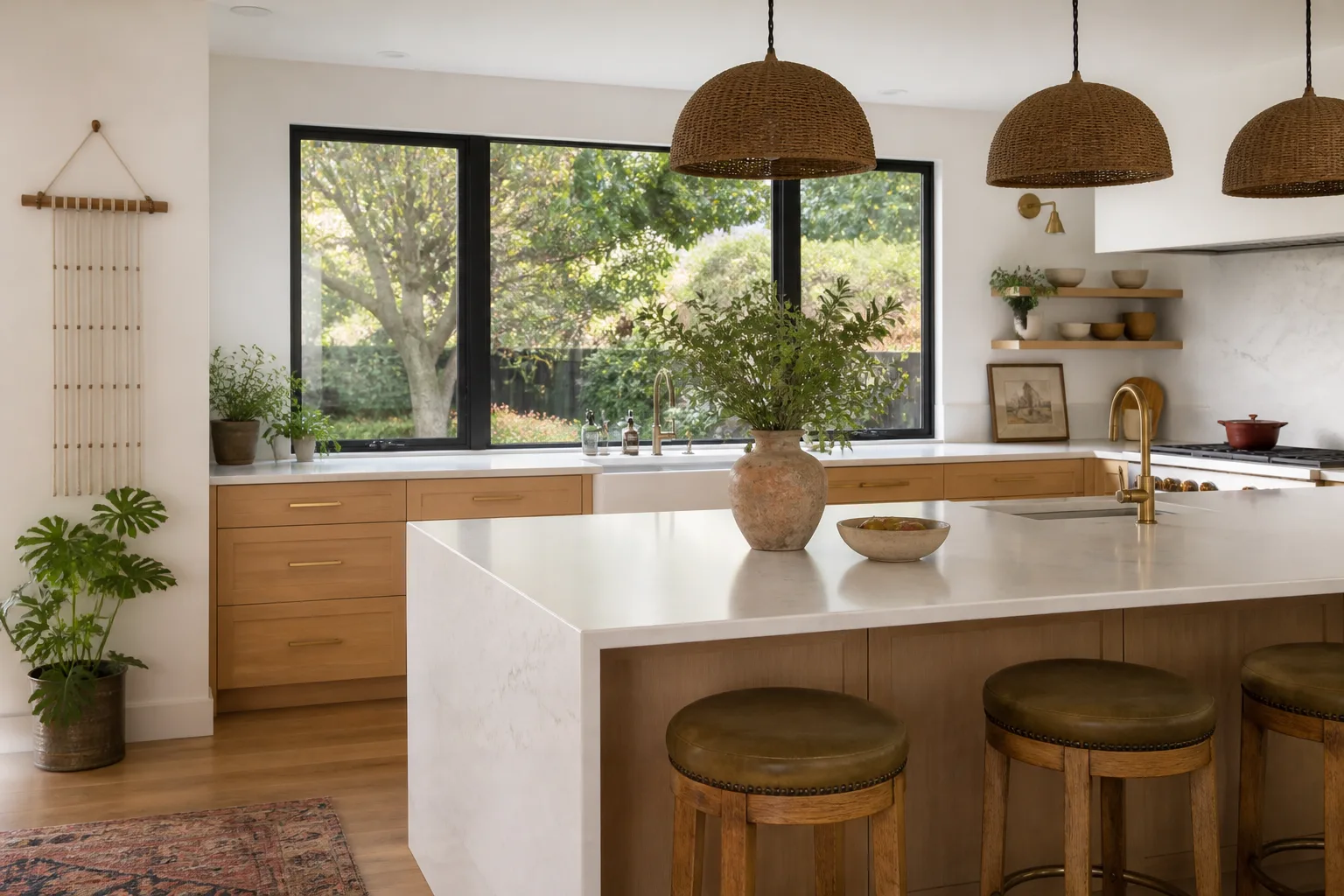
The kitchen-specific product is HardieBacker 1/4″ cement board for floors and countertops, and HardieBacker 1/2″ for walls. Those are the two thicknesses we use in West Palm Beach kitchen remodels. The 1/4″ goes under floor tile as a tile substrate over wood subfloor or as an isolation layer over concrete slab. The 1/2″ goes behind backsplash tile on stud walls and around sink runs.
Here’s the compatibility gotcha most homeowners never hear until something fails: HardieBacker is not waterproof. It’s water-durable, which means it tolerates moisture without falling apart the way drywall or plywood does, but it does not create a waterproof barrier. In a West Palm Beach kitchen with hurricane-season humidity, exterior wall backsplashes, or a sink that splashes constantly, the board needs a liquid-applied waterproofing membrane or a sheet membrane like Schluter Kerdi before tile goes on. Skip that step and the board will eventually wick moisture into the wall cavity, and you’ll smell it before you see it.
For identifying what’s already installed in your kitchen, look for the James Hardie stamp printed in rows on the board face. It names the thickness and manufacturing lot. The board is sold in 3′ x 5′ sheets. Most West Palm Beach homes built before 2005 used plywood or drywall behind kitchen tile. Homes remodeled after that often have HardieBacker. If you’re not sure, pull a switch plate and look at the cut edge: HardieBacker is a uniform gray cement with visible fiber strands, not paper-faced, and it’s heavier than it looks.
As for OEM versus aftermarket, James Hardie is the OEM for HardieBacker. There are aftermarket cement boards: PermaBase, WonderBoard, Durock. They are all legitimate cement boards. But when a West Palm Beach homeowner specifically wants the James Hardie board matched, we stock and install HardieBacker and don’t substitute without a conversation and a written change reflected in the price first. That’s how the brand-name promise works: you know what you’re getting by name before we buy it.
Styles & brands we work with
Signs Your James Hardie Kitchen Remodeling Is Failing
- Grout cracking along the counter line within a year of installation. This usually means the board was butted too tightly against the tile at the change-of-plane and movement from settling or slab shift transferred through. The fix is often localized: remove the cracked grout run, add a flexible sealant joint. If the board itself is moving, the tile comes up and the board gets reset with the proper 1/8″ gap between sheets.
- A soft spot in the floor in front of the sink. The HardieBacker has delaminated or the subfloor below it has rotted from a slow P-trap leak. In West Palm Beach slab homes, the board can also debond from the slab if the thin-set was applied to a dusty slab rather than clean concrete. You feel a faint yield when you step on it, like the tile is floating.
- Dark staining or puffing along the baseboard line. Water is wicking behind the board and into the drywall above the tile line. This is the board doing its job structurally while the wall behind it fails. It means the waterproofing step was skipped or has failed. The staining usually tracks from a leak point, not uniformly.
- A hollow sound when you tap the backsplash behind the faucet. Thin-set has lost bond. In Florida’s humidity cycle, poor thin-set coverage behind HardieBacker shows up as hollow, drum-like spots with temperature swings. The board is fine; the installation under it wasn’t.
- Mold or mildew smell you can’t trace in the lower cabinets. Water is behind the board, not in front of it. The board won’t feed mold the way drywall does, but the wood framing or cabinet base behind it will. You won’t see it until the toe-kick or board comes out, and by then the cabinet base is often swollen.
See the difference
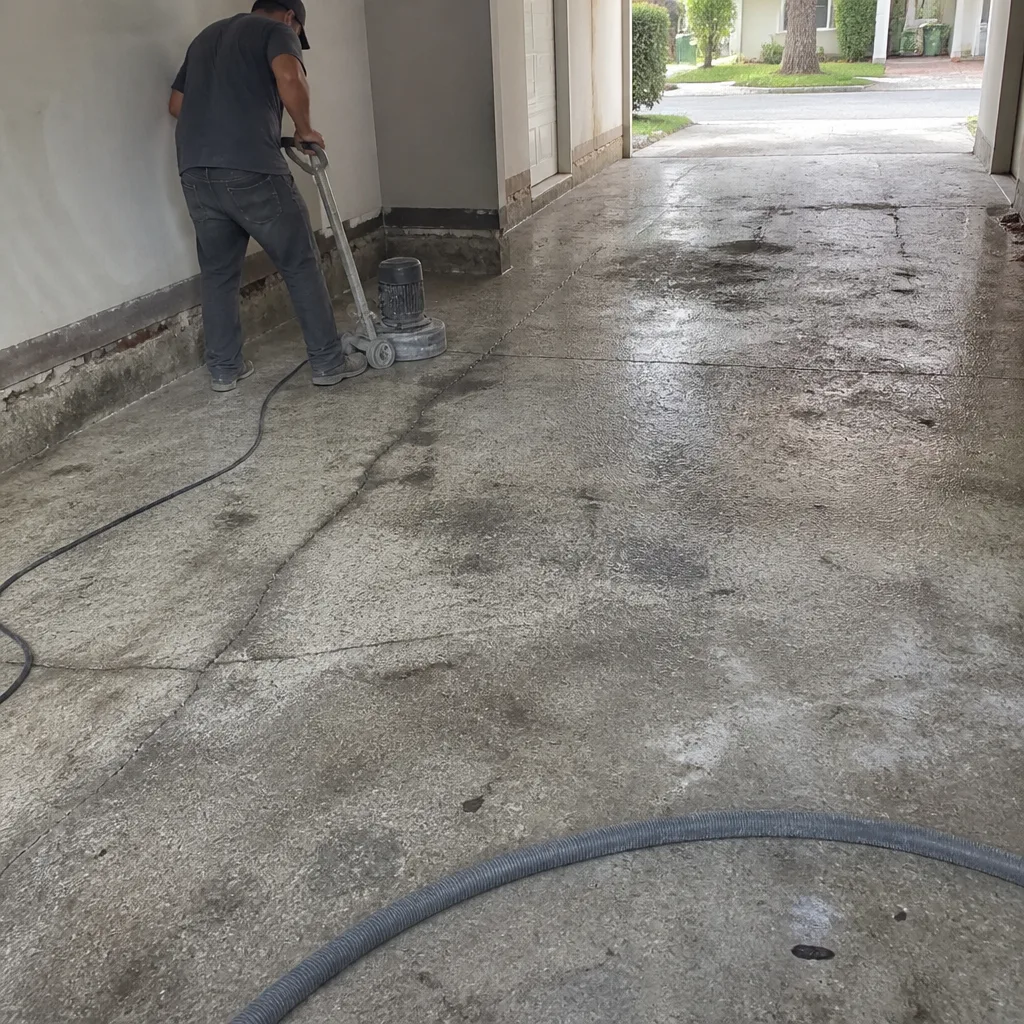 Before
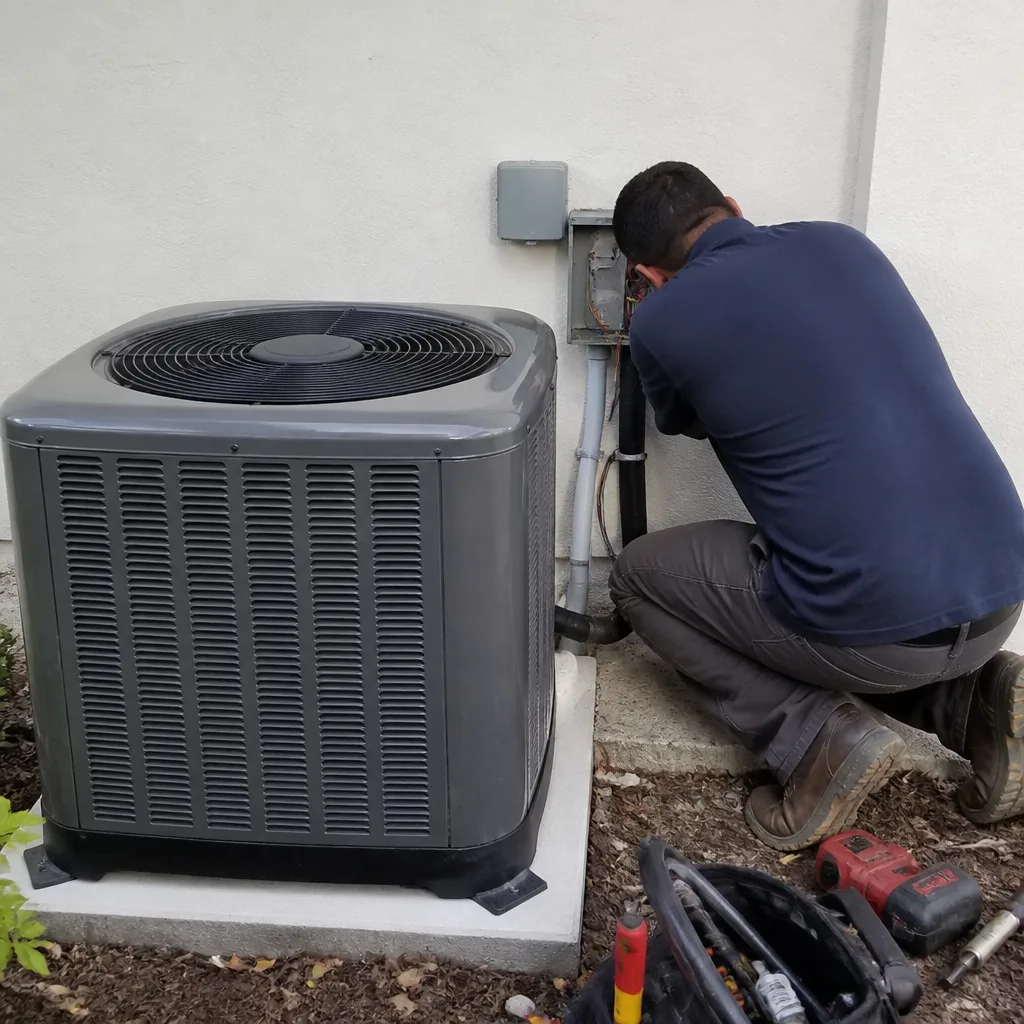 After
After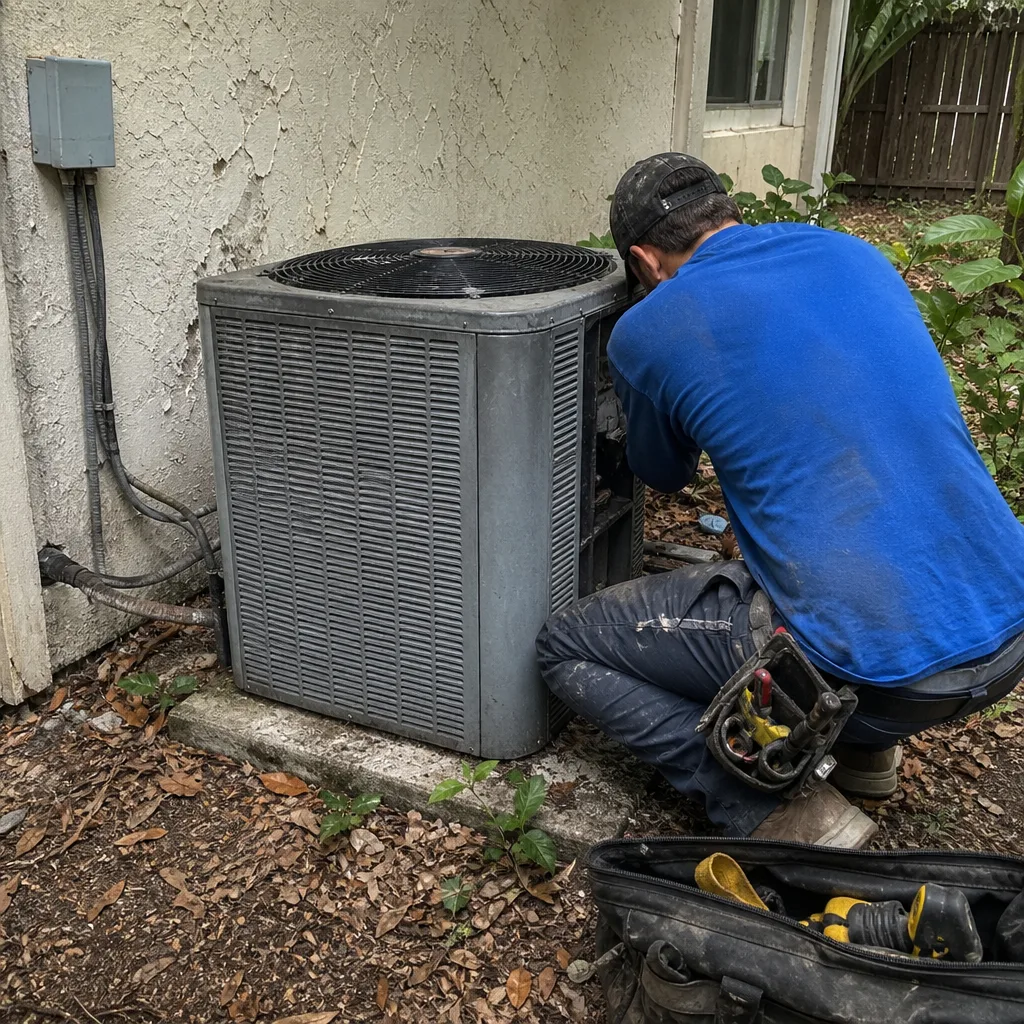 Before
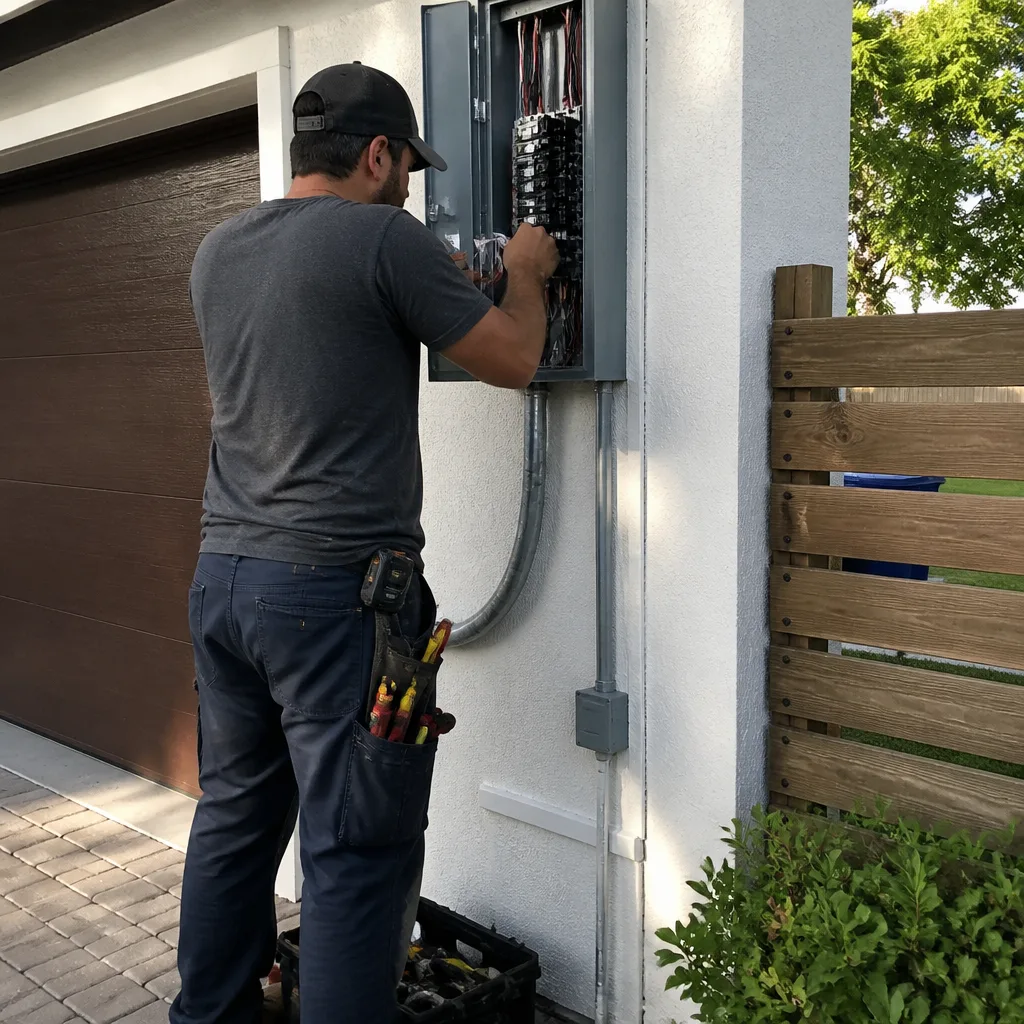 After
After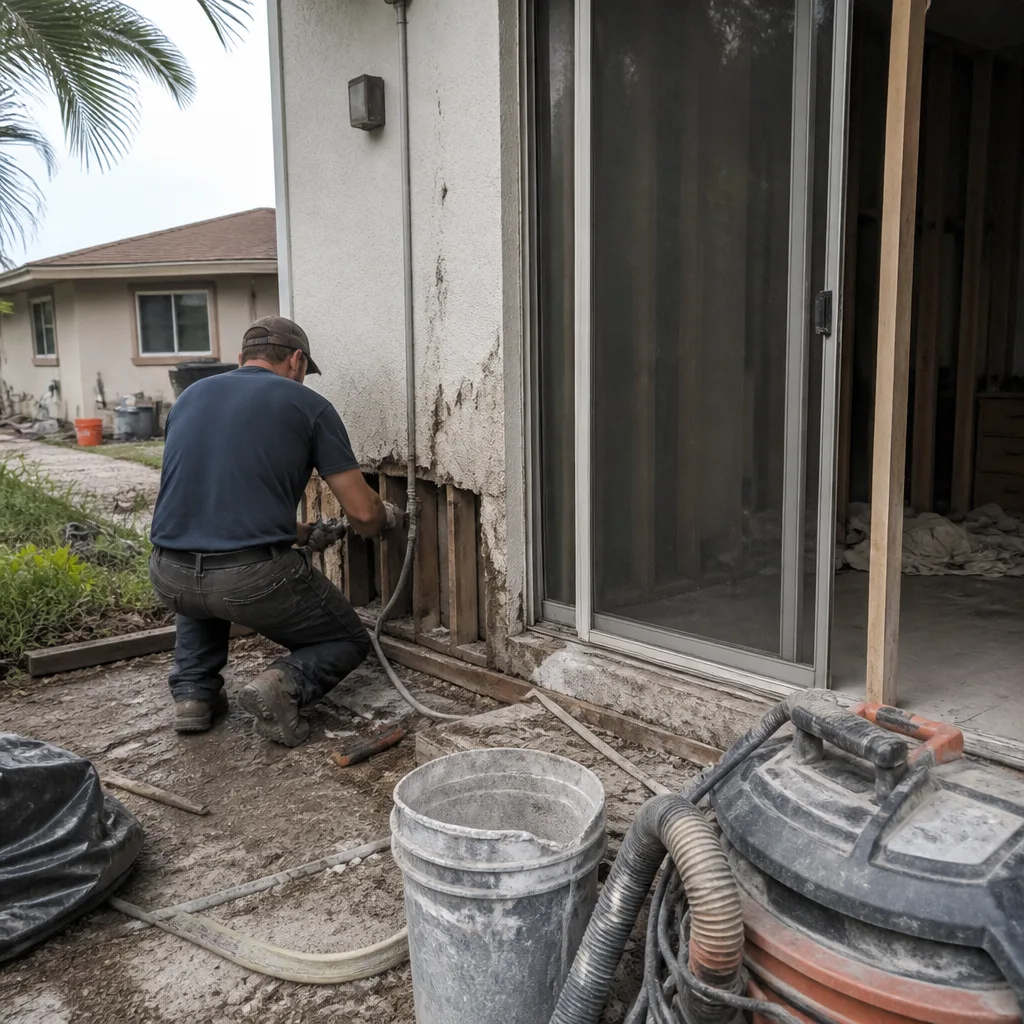 Before
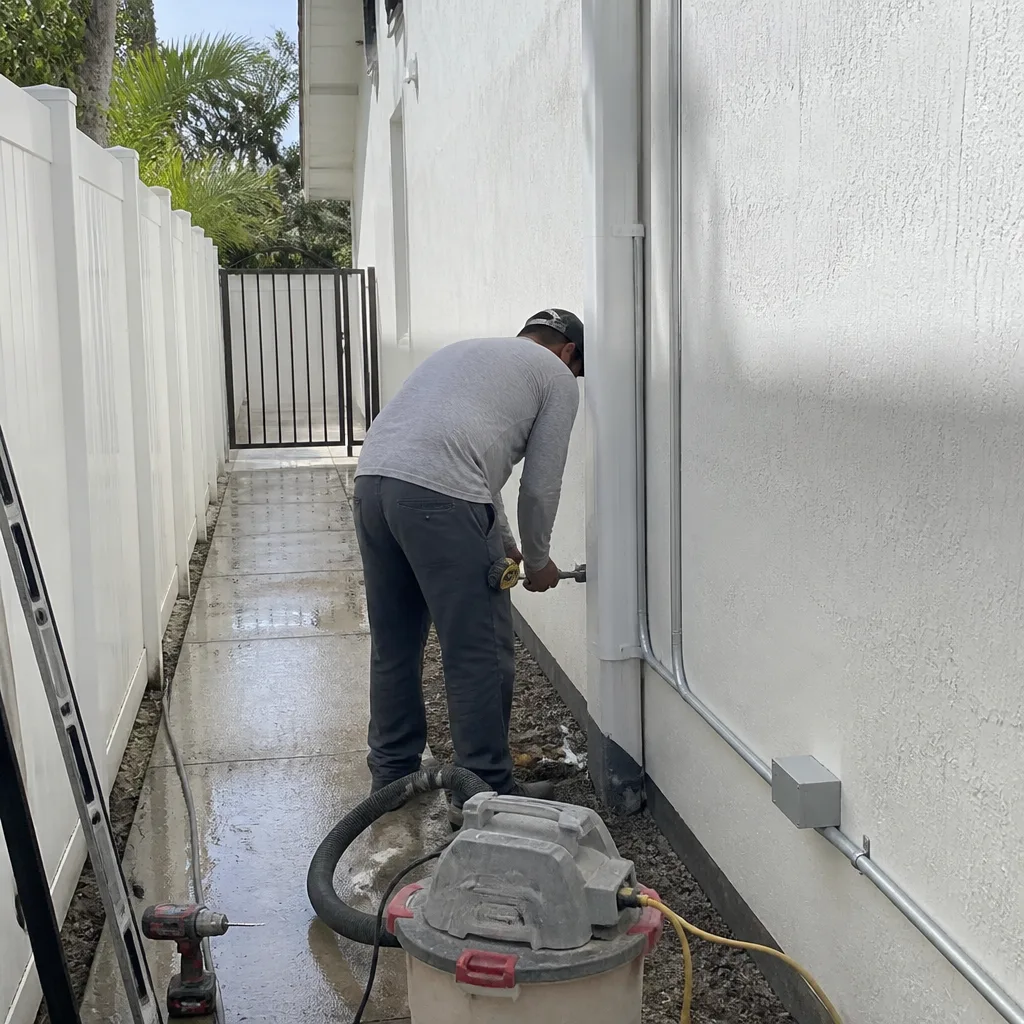 After
AfterReplacement Cost & What’s Included
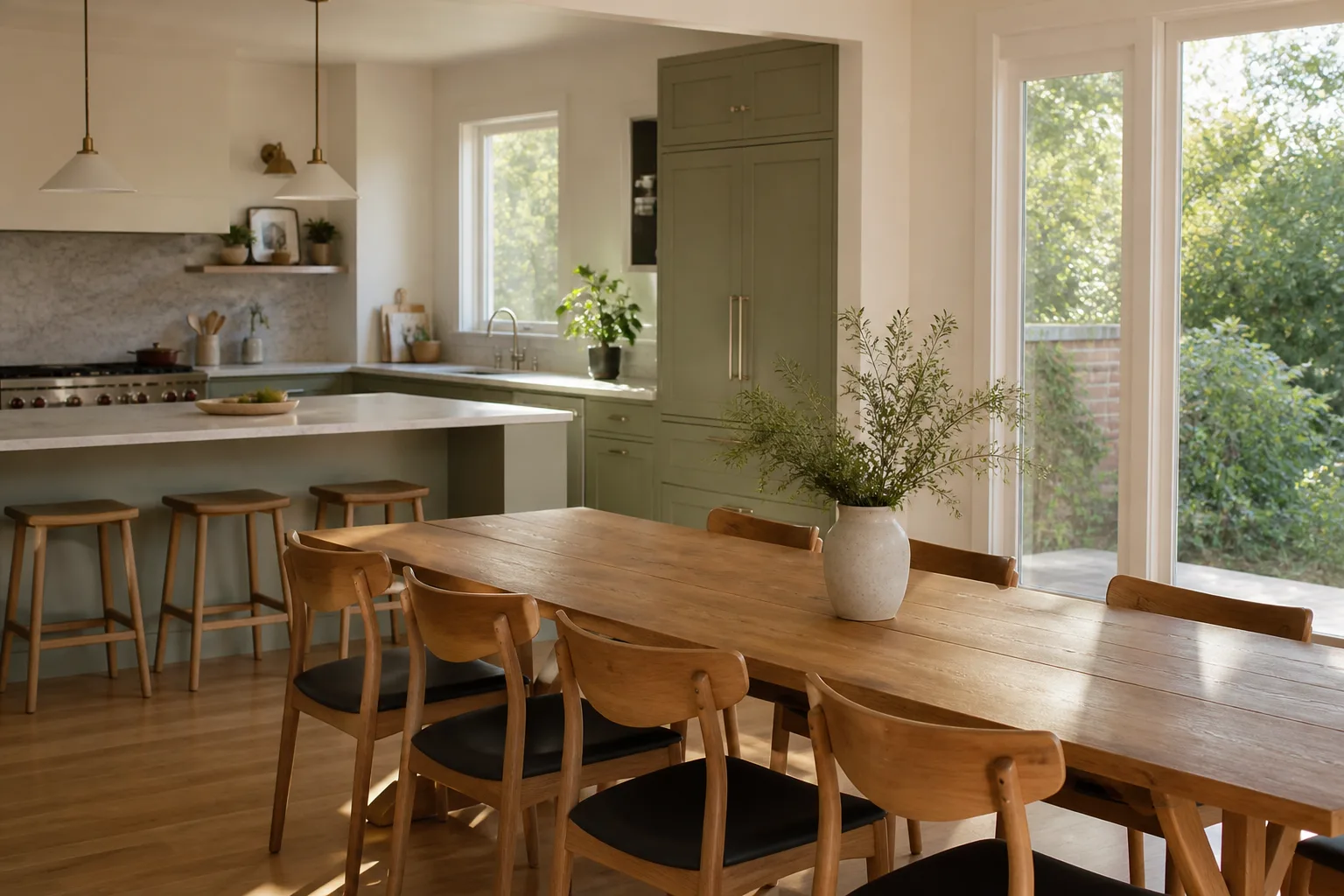
Full James Hardie kitchen remodeling in West Palm Beach runs $14,000 to $45,000 depending on kitchen size, whether you’re replacing the floor, backsplash, or both, and what’s behind the board once we open the wall. Here’s the honest range on the component pieces we see most:
- Full kitchen remodel with HardieBacker substrate, tile, cabinets, and counters: $14,000 – $45,000
- Cabinet installation alone, with HardieBacker floor under new tile: $4,000 – $13,000
- Countertop installation with HardieBacker as the tile substrate: $2,000 – $6,500
- Backsplash installation including board replacement behind the sink run: $800 – $2,500
- Kitchen island installation with matching HardieBacker under tile or stone: $3,000 – $10,000
The range depends on what we find when the tile comes off. A slab leak under the board is a different job than a cosmetic backsplash swap. A rotted cabinet base behind the toe-kick changes the cabinet cost. You’ll get a written line-item price before any work starts, with materials named by brand and quantity, labor broken out, and the start and end window in writing. There’s no change order that arrives after the crew shows up. If the scope changes because we found something behind the wall, we stop and write the new scope before we proceed. That’s the Cedarwell Care Promise and it’s non-negotiable.
All work carries our 365-Day Done Right Promise. If the board or the tile installation fails within a year, we return and make it right at no charge.
DIY or Call Us?
You can safely identify the problem: pull a switch plate to look at the board edge, tap the backsplash for hollow spots, check for staining under the sink cabinet. What you should not do is cut into the board yourself if the problem is water-related. The board itself isn’t high-tension and won’t hurt you, but cutting into a kitchen wall with a utility knife or oscillating tool means encountering plumbing lines, electrical for the backsplash outlets, and occasionally wiring you won’t see until you’re through the surface. A nicked supply line behind the sink becomes a flood. A cut wire becomes a fire hazard. Leave the opening-up to a crew that carries the right shutoffs and knows West Palm Beach construction.
If you’ve got a failed board, a soft spot, or a section of backsplash that’s peeling its grout, call (728) 203-3270. We’ll come out, look at it, and give you a written price for the exact repair or replacement before you spend a dollar. “Put it in writing, then do exactly that.”
FAQs
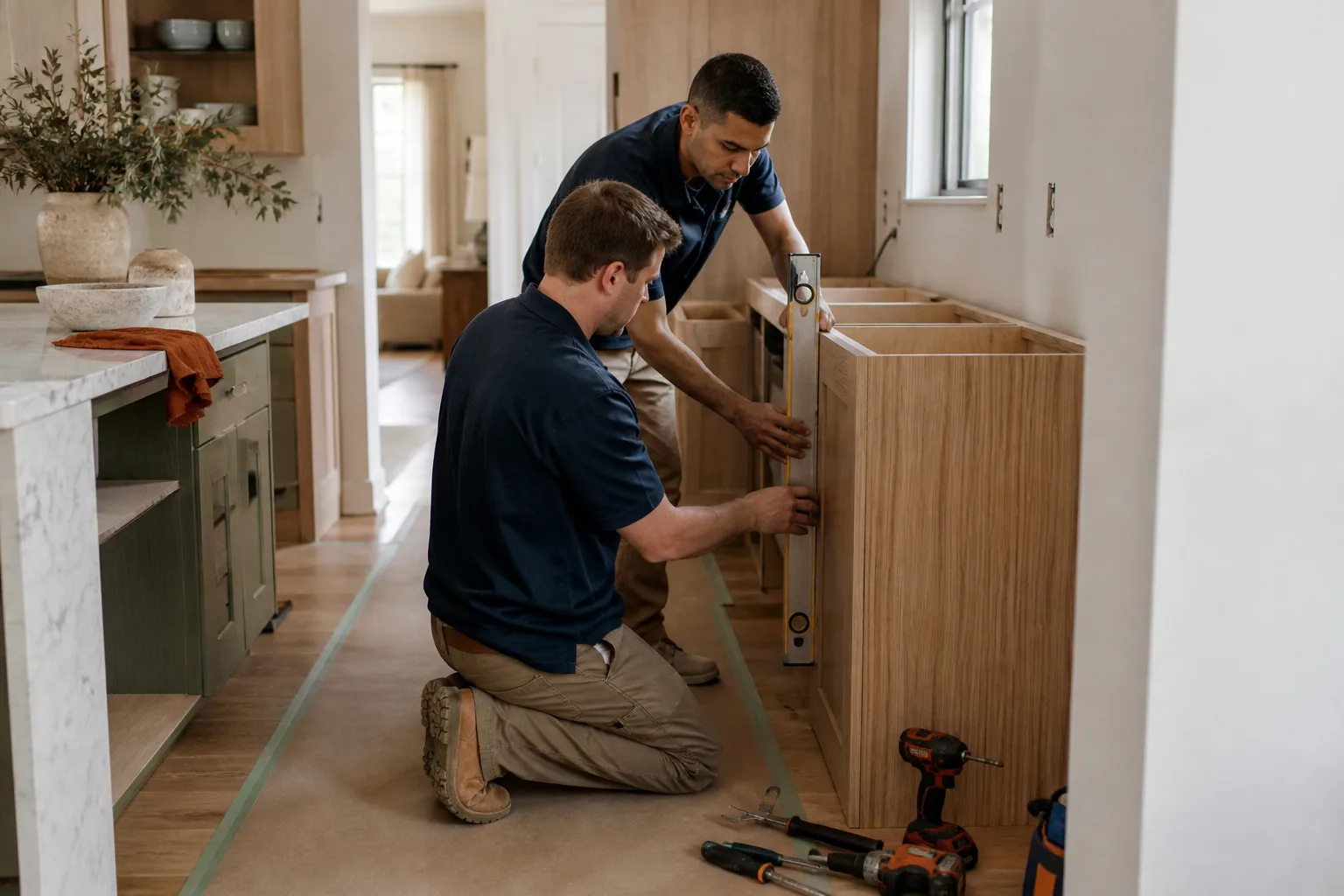
Properly installed HardieBacker board has a lifespan of 30 to 50 years in a dry, correctly waterproofed application. The failure you see in West Palm Beach kitchens is rarely the board’s own age; it’s moisture getting behind it from a skipped membrane, a failed grout joint, or a slow plumbing leak that softened the substrate beneath. The board itself can survive the moisture; the installation around it cannot. Call (728) 203-3270 if your floor feels soft or you’re seeing staining along the baseboard, and we’ll tell you what’s actually failing.
Yes, in localized areas. If one section has debonded from the slab and the tile is intact, we can drill and inject thin-set to rebond the board without removing tile. If the board is cracked or water-damaged and the tile is loose, that section needs to come out and be replaced sheet by sheet. The deciding factor is whether the board is still structurally sound and the grout lines are still holding. We’ll give you the honest call on what’s repairable, in writing.
A focused backsplash or floor-section repair typically takes one to two days on site, including thin-set and grout cure time. A full kitchen floor replacement with new HardieBacker board, tile, and grout usually runs three to five days depending on square footage and whether the slab needs leveling first. We’ll give you a written start and end window before we start, and we call when we say we will.
Yes, we keep 1/4″ and 1/2″ HardieBacker sheets stocked in our West Palm Beach service area, along with the thin-set and waterproofing membranes we use. That means a small repair can often happen without waiting on a supplier run. For full-remodel quantities, we order sheets to the exact count in your written estimate so you know exactly what’s being installed, at what price, before we begin. Call (728) 203-3270 for a free estimate.
Written by Graham Stein, Owner, Elmstead Remodeling West Palm Beach at Elmstead Remodeling West Palm Beach, serving West Palm Beach and nearby areas.