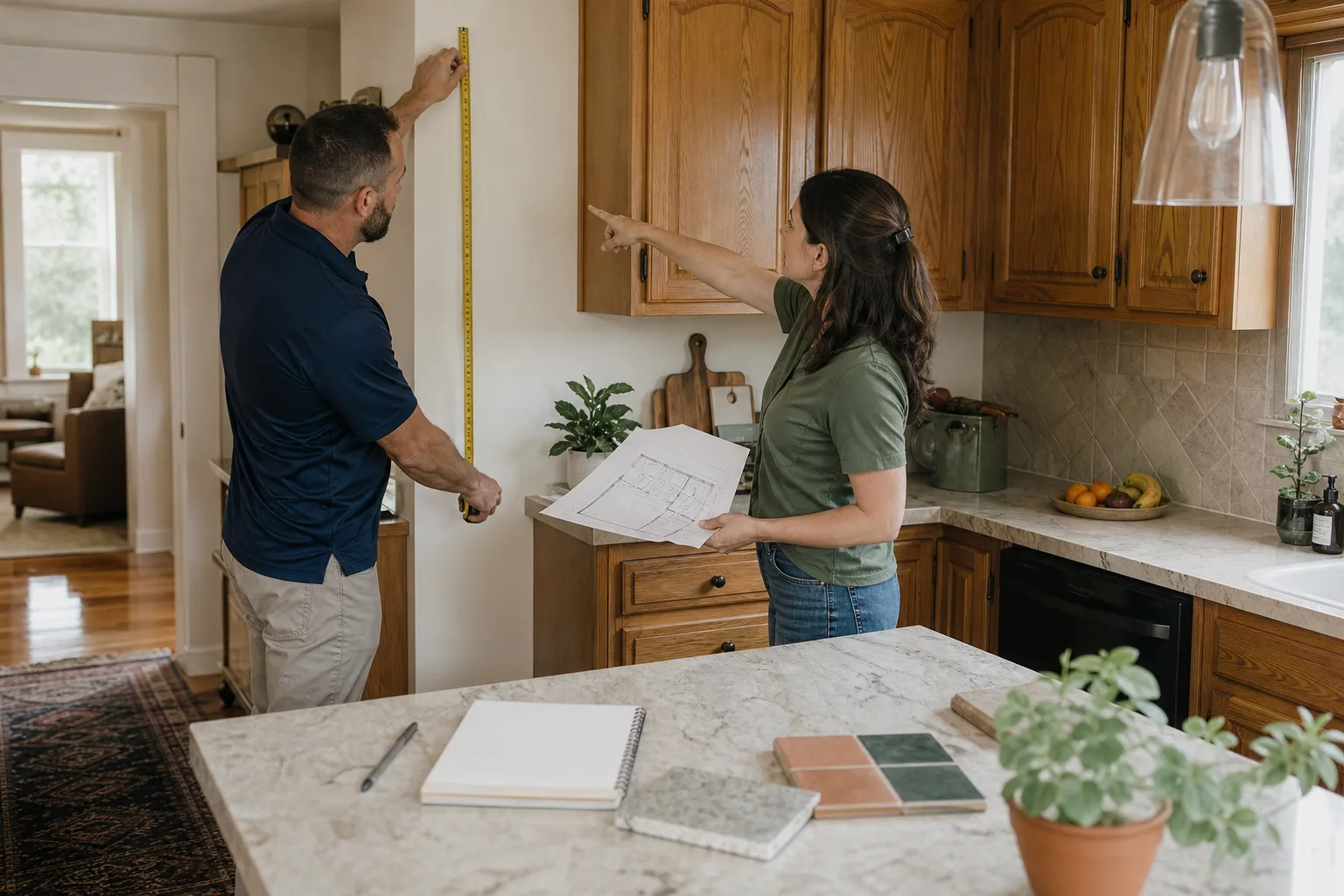
Free written scope consultation - allowances, timeline, and change-order rules on paper before a single trade is scheduled
American Standard Home Additions & ADU: The West Palm Beach Owner’s Guide
If you’re researching American Standard home additions and ADU work in West Palm Beach, you’re likely trying to sort out what a full addition or accessory dwelling unit will cost before you talk to a single contractor. In this market, a permitted home addition on an American Standard-era home typically runs $45,000 to $130,000, while a detached ADU starts around $90,000 and can reach $220,000 depending on square footage, foundation work, and utility runs. Most homeowners call us after they’ve lived with the house for a few years and realized the floor plan simply doesn’t fit anymore: a third bedroom that never got added, an in-law suite that was always “someday,” or a garage that stopped holding cars and started holding everything else.
What surprises most families is how much the original American Standard construction affects the addition. These homes were built with specific framing rhythms and roof lines that a good crew has to match, not fight. Graham Stein has walked enough West Palm Beach additions to know that the difference between a seamless room and one that looks bolted-on comes down to how the new roofline ties into the old one, and how the existing slab gets tied into the new foundation. We’ll walk you through the real costs, the compatibility questions, and what actually happens on-site.
Key Takeaways:
- Full home additions in West Palm Beach run $45,000 – $130,000; ADUs run $90,000 – $220,000.
- The written price comes before any work starts, itemized by material and labor.
- We match new framing, electrical, and plumbing to the existing American Standard home rather than creating a mismatched add-on.
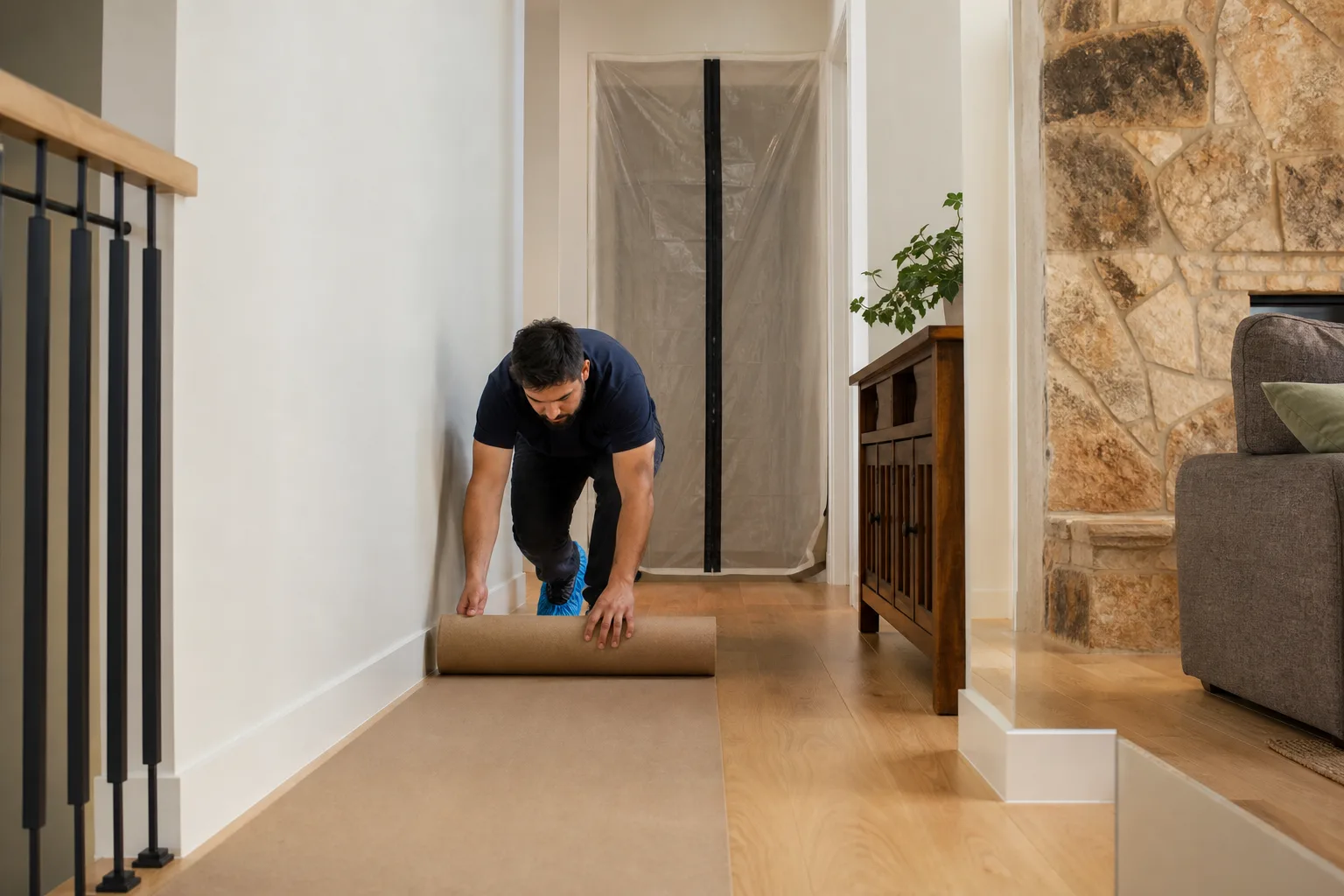
- Shoe covers, drop cloths, and a cleanup photo are included on every job, not billed as extras.
Which American Standard Models This Applies To
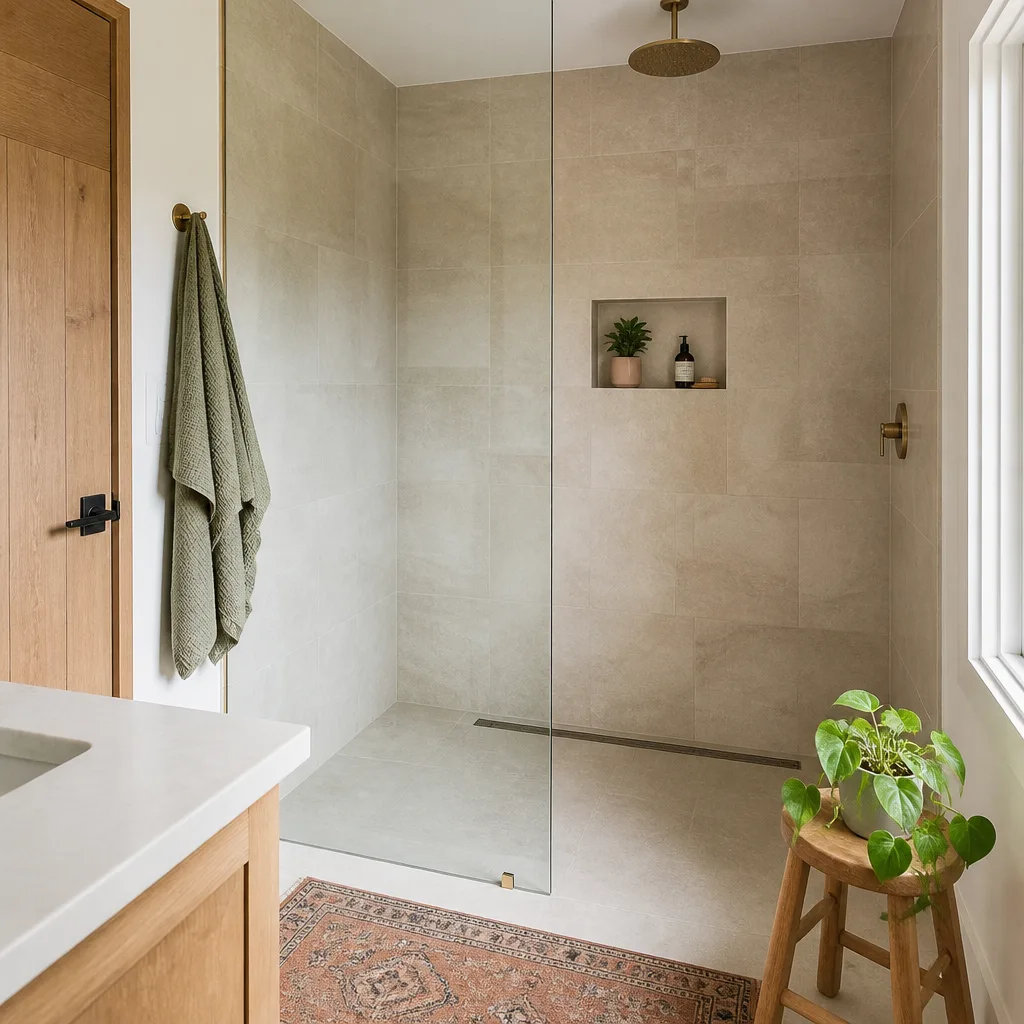
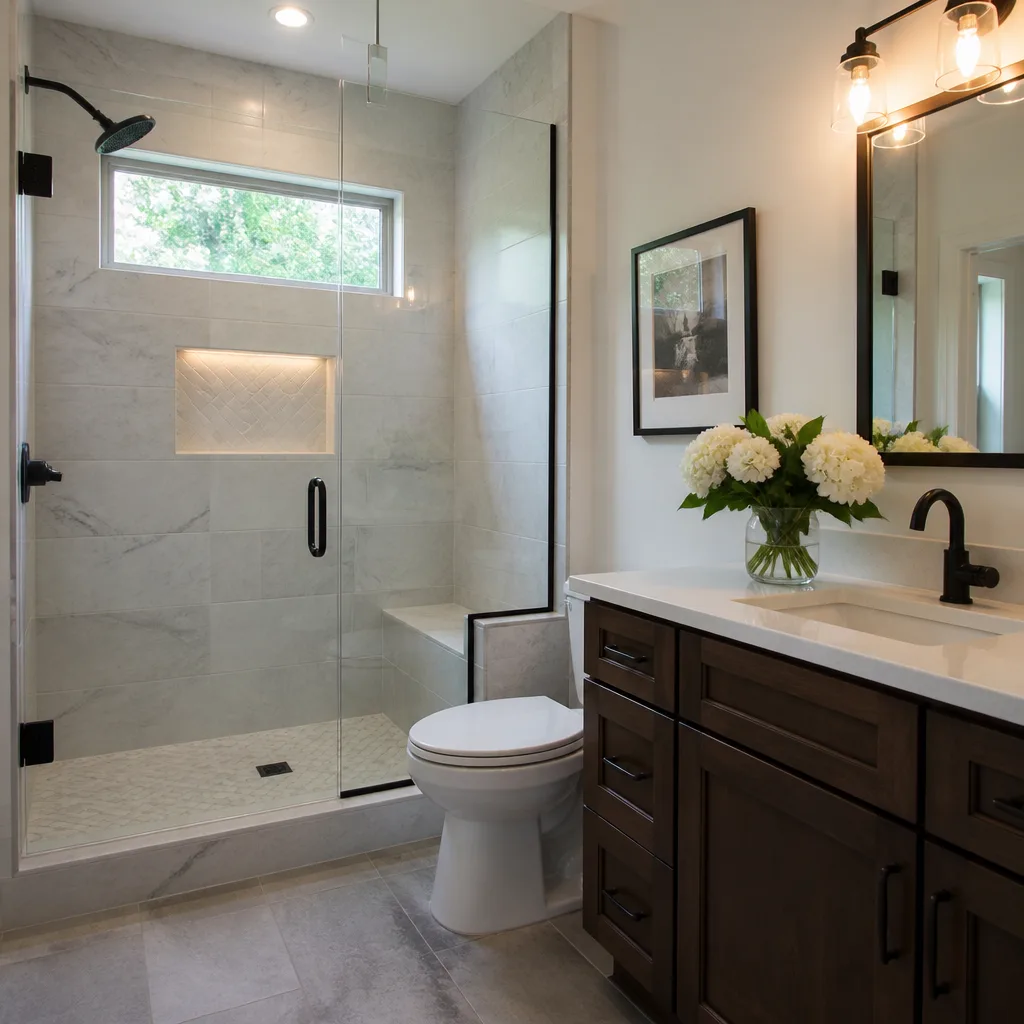
American Standard is better known for fixtures than for framing, so when we say “American Standard home additions,” we’re talking about additions and ADUs built onto homes where American Standard products are already in place: the tubs, toilets, faucets, and water heaters that came with the house or were installed during a previous remodel. The compatibility question is really about matching your existing plumbing rough-ins and fixture placements to the new space. If your hall bath has an American Standard Cadet toilet with a specific rough-in dimension, and the addition includes a new bath, we spec a matching or compatible fixture so you’re not dealing with three different flush mechanisms and two different seat sizes under one roof.
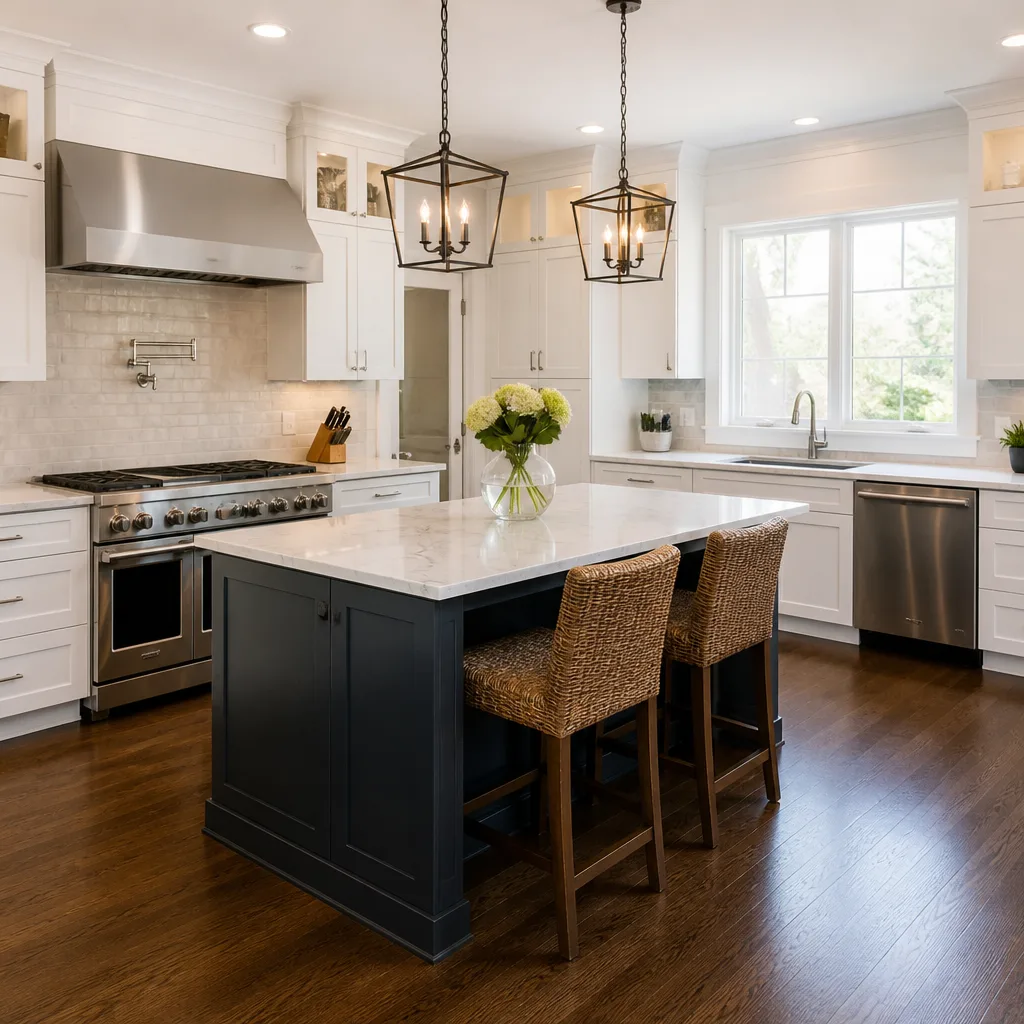
For the addition itself, the structural work is not brand-specific. What matters is the age of your existing home and its framing type. West Palm Beach homes built in the 1950s through the 1980s often use concrete block on the first floor, while newer builds are wood-frame on slab. The American Standard fixtures in those homes don’t change how we frame a new wall, but they do change the plumbing and electrical chase layouts we plan before drywall goes up. We’ve also worked on additions for homes using KraftMaid, Cambria, and Silestone finishes in the existing kitchen, and matching those materials across the new threshold is part of the planning, not an afterthought.
If you’re planning an ADU with a kitchenette or full bath, the spec sheet matters: a standard American Standard tub-shower combo needs a 60-inch rough opening, and if your ADU plan calls for a 54-inch space, that’s a compatibility gotcha we catch before concrete gets poured, not after.
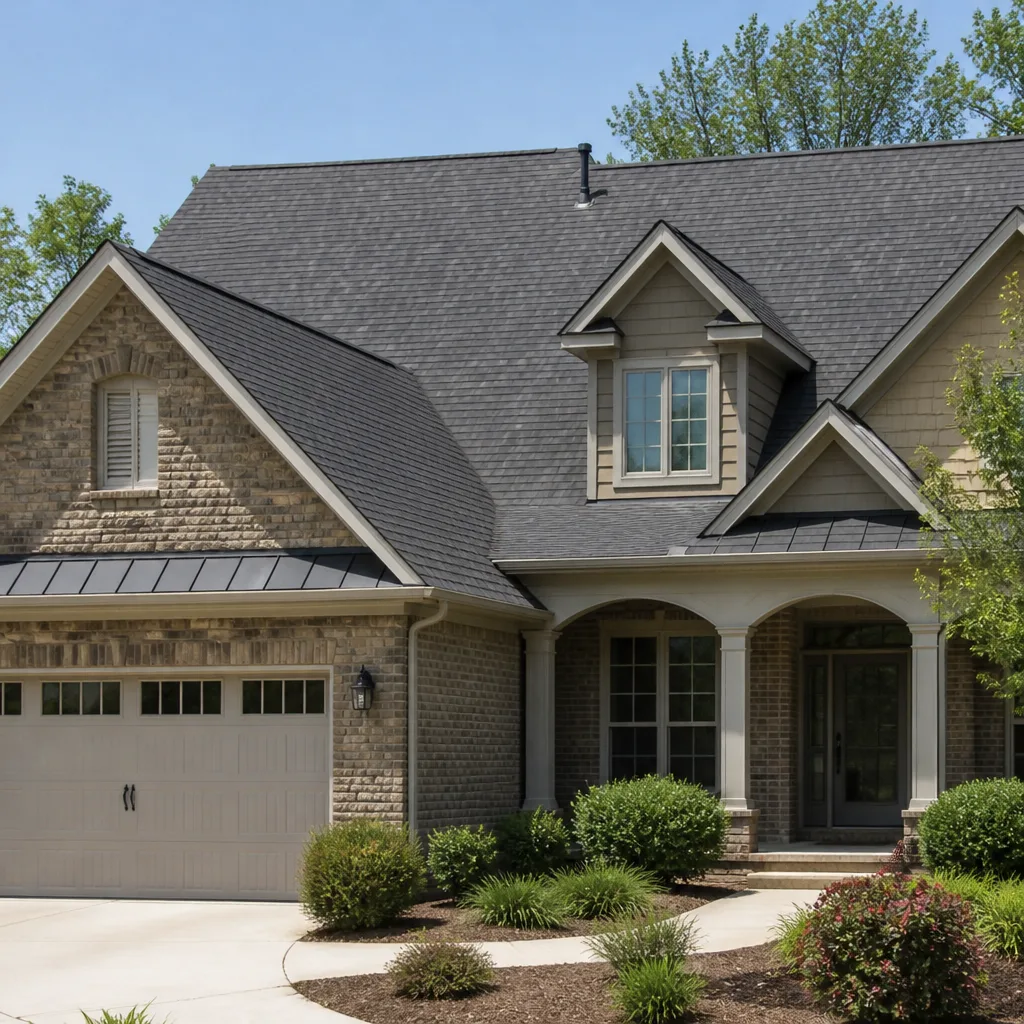
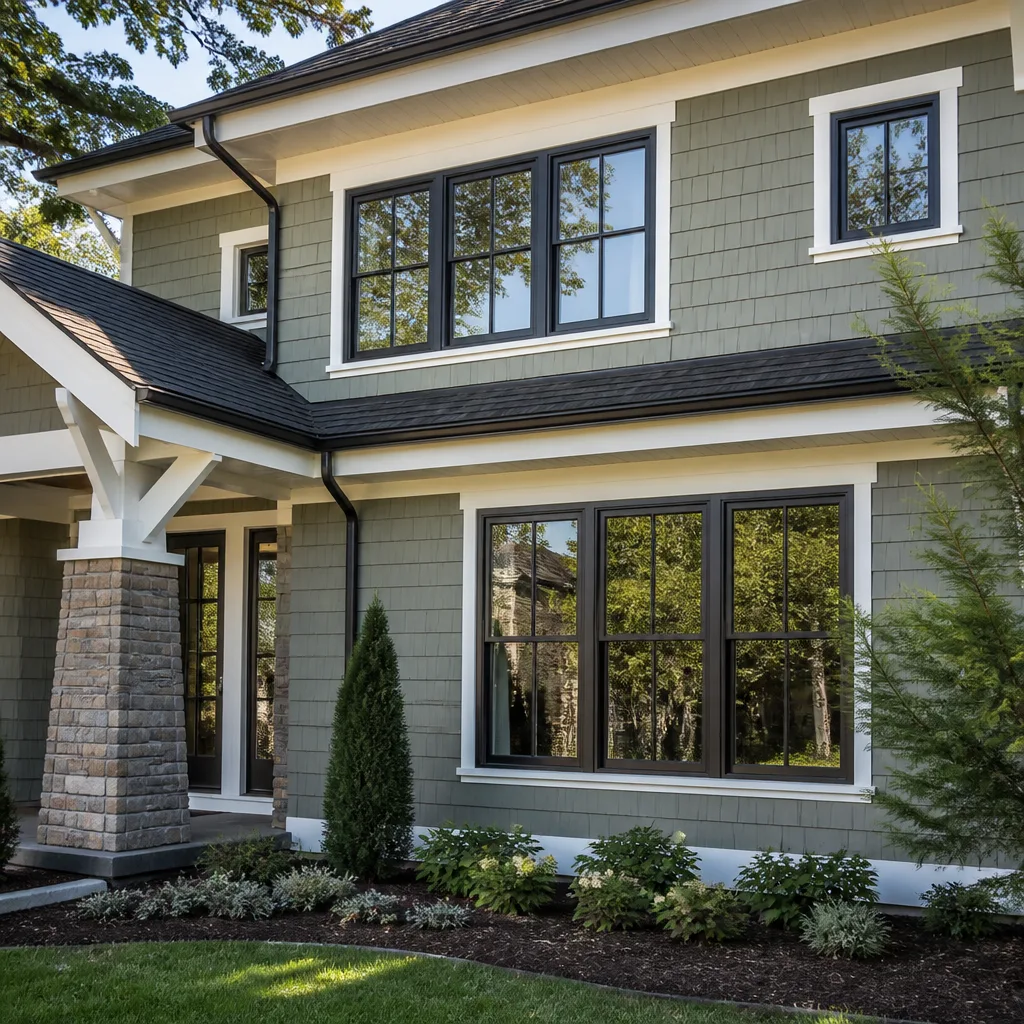
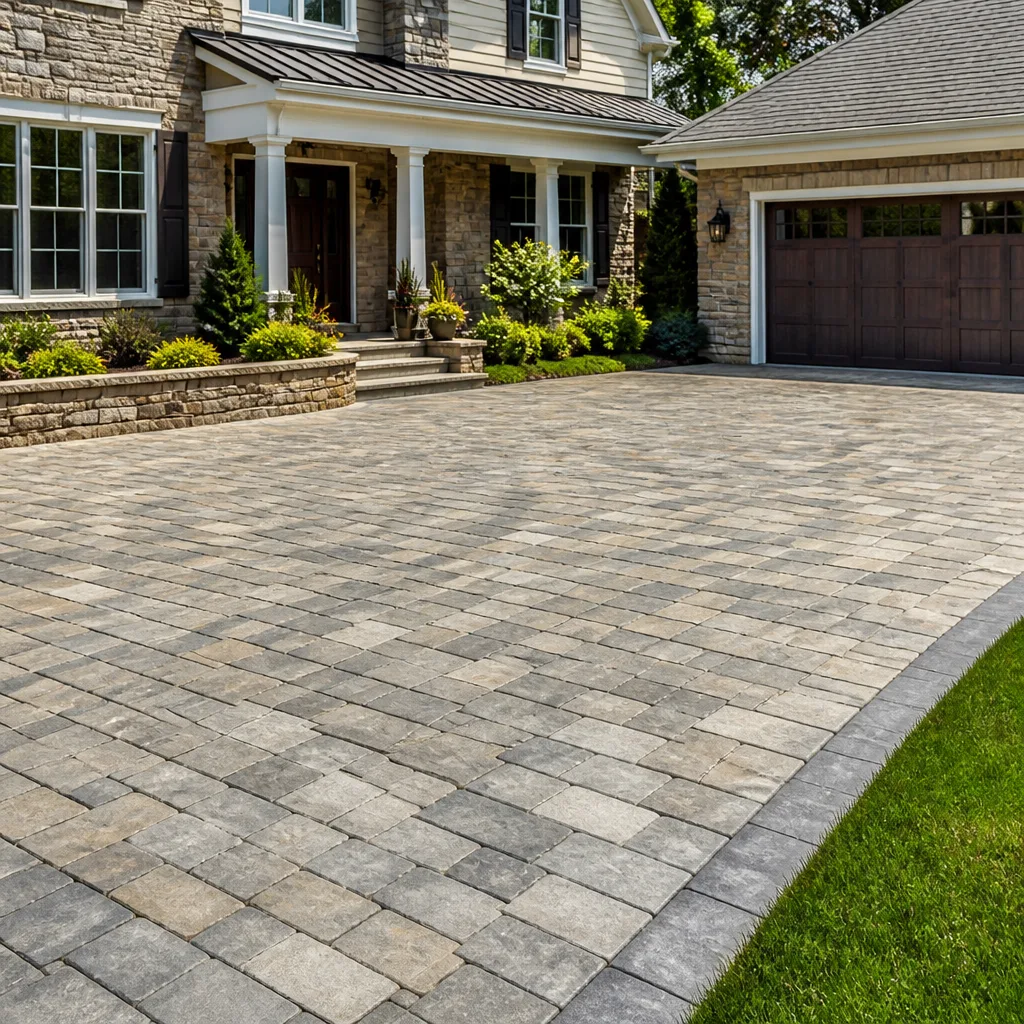
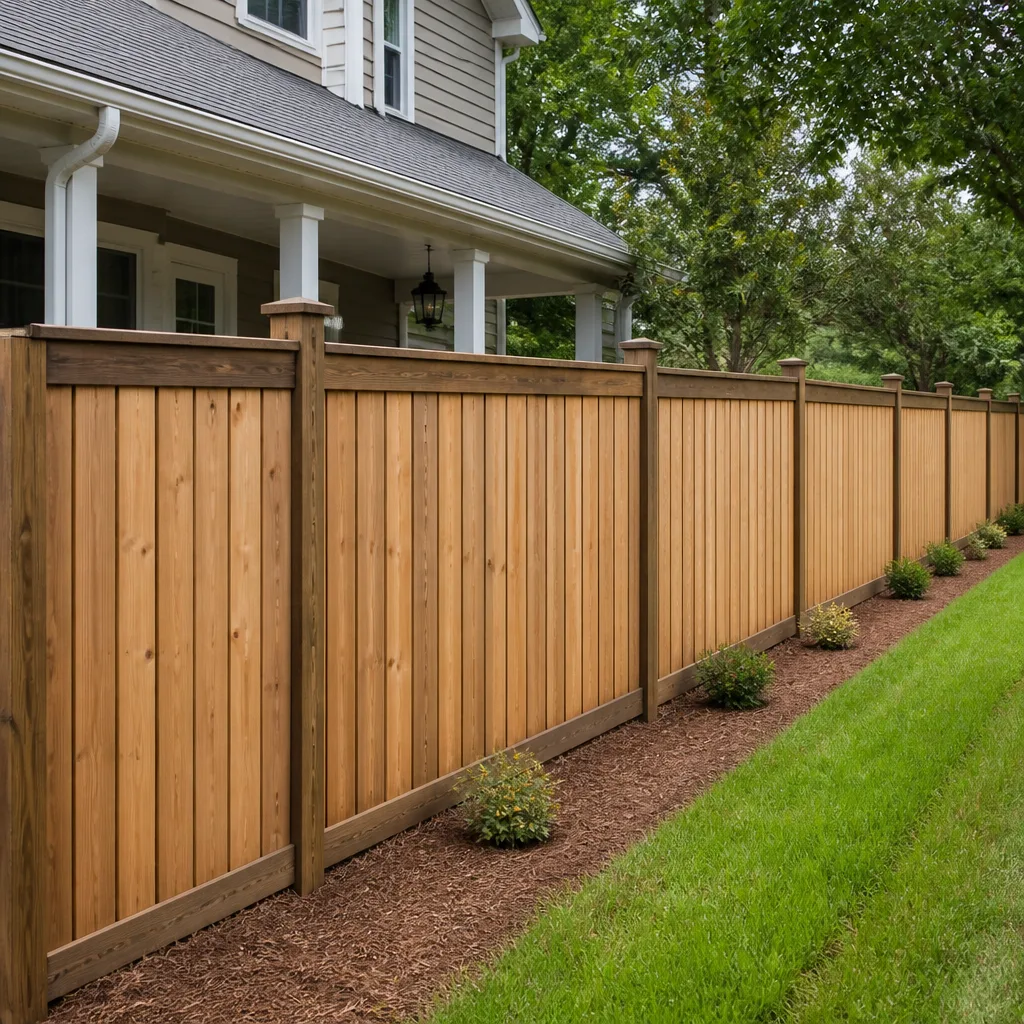
Styles & brands we work with
Signs Your American Standard Home Additions & ADU Is Failing
An addition or ADU doesn’t fail the way a water heater does. It fails slowly, and the signs show up in how the house feels and behaves, not in a single loud noise. Here’s what homeowners in West Palm Beach notice before they call us:
- The existing structure shows stress at the tie-in point. Hairline cracks running diagonally from a door corner or window corner near where the old house meets the new addition often signal differential settling. In West Palm Beach’s sandy soil, two slabs poured years apart can move at different rates.
- Moisture or mildew smells in the new space. If the addition’s slab wasn’t poured with a proper vapor barrier or the flashing at the roofline tie-in wasn’t lapped correctly, you’ll smell it before you see it. This is common in Florida’s wet season.
- The addition runs warmer than the rest of the house. An undersized HVAC duct run or a poorly insulated attic connection is the usual culprit. The original American Standard system may not have the capacity to push air into the new square footage.
- Doors stick seasonally. A door that only sticks in August or only swings freely in January indicates the framing is expanding and contracting against the door jamb. It’s often a sign the rough opening was cut too tight or the header wasn’t sized for the span.
- Water pools near the foundation after rain. A new addition changes how water flows across your lot. If the grade wasn’t re-sloped after construction, you’ll see puddling at the new foundation line, and over time that becomes a slab problem.
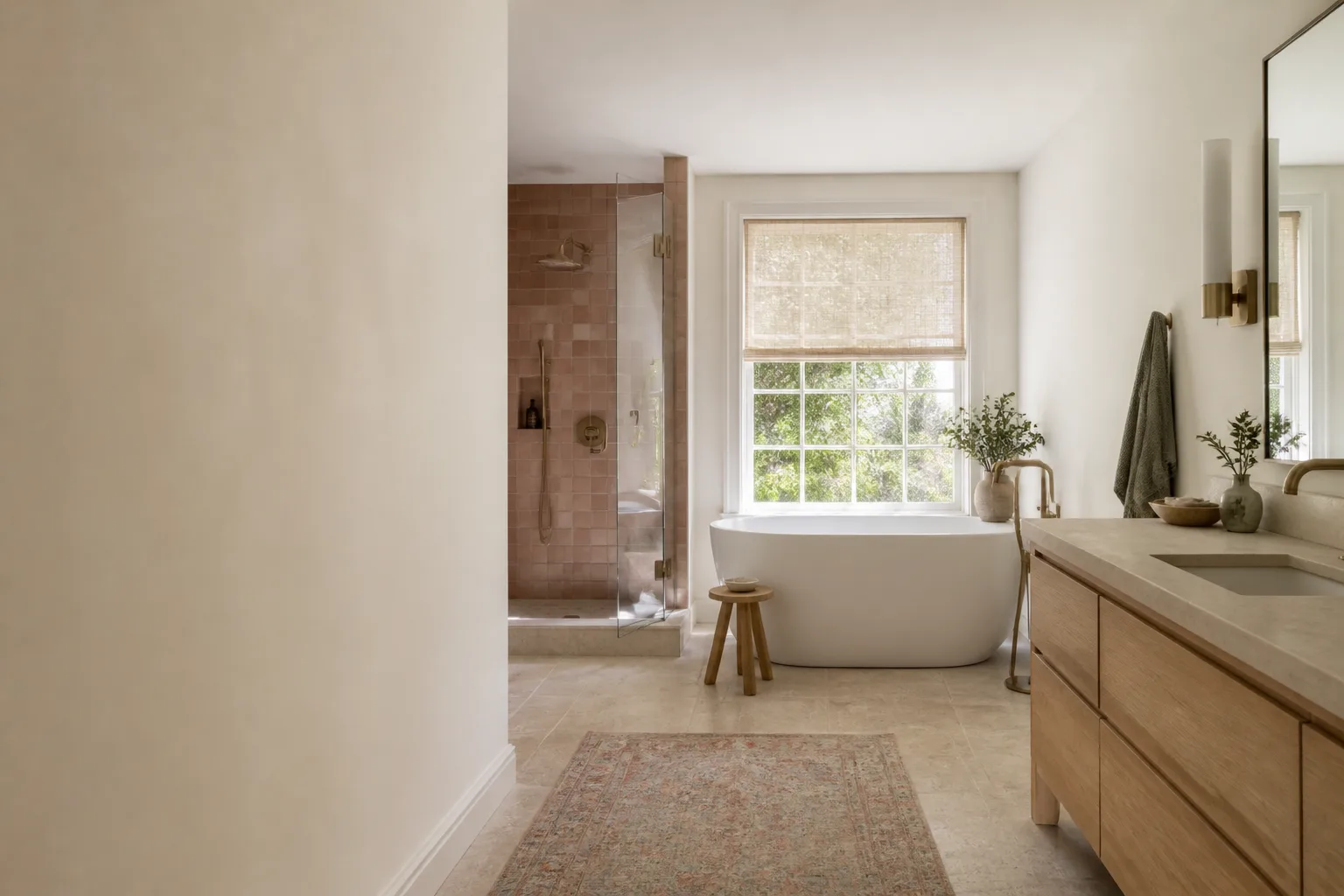
See the difference
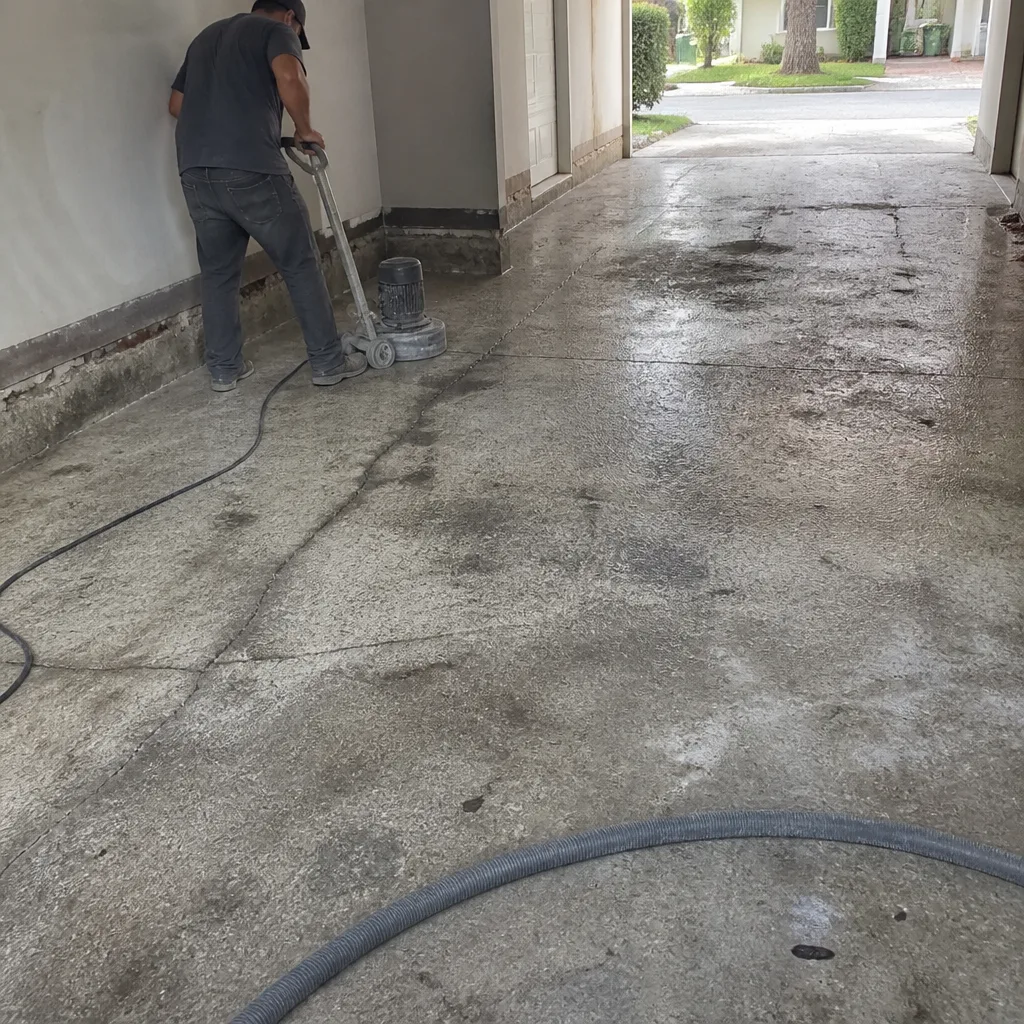 Before
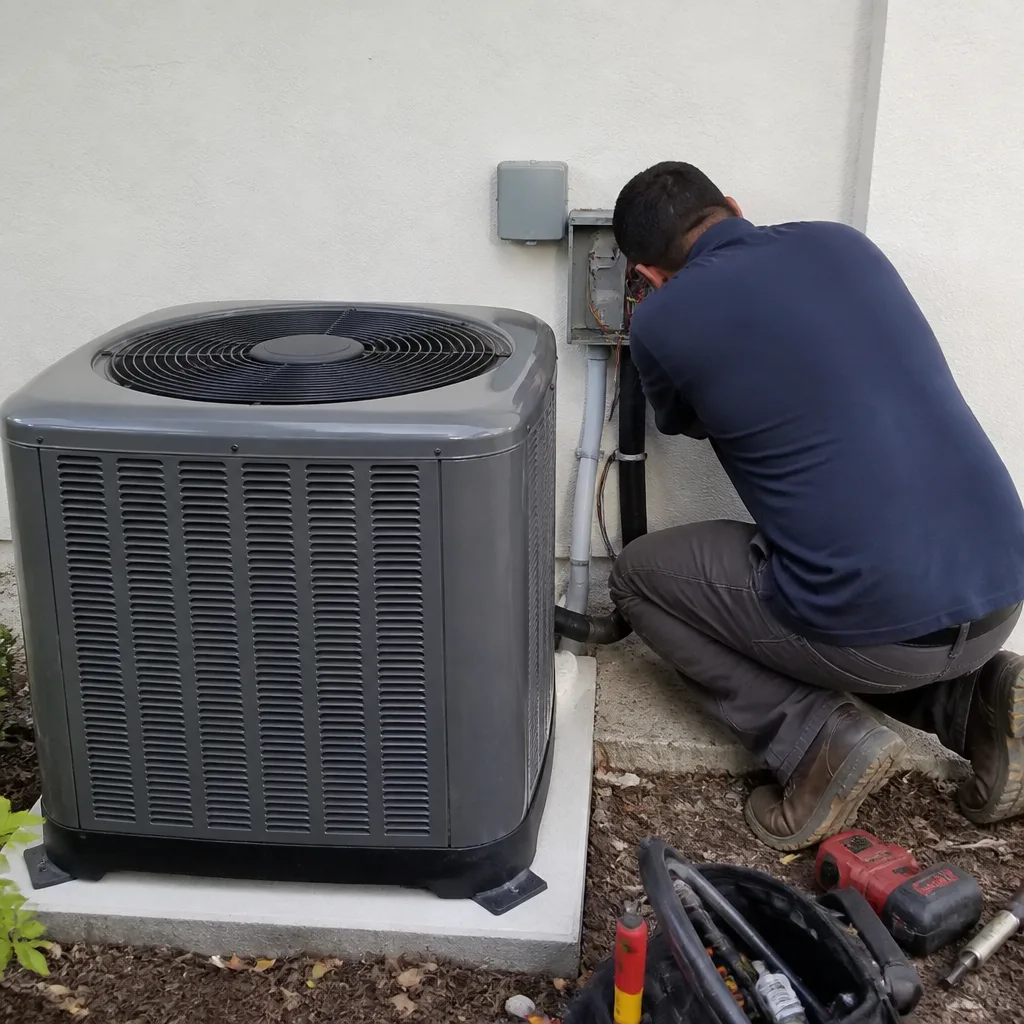 After
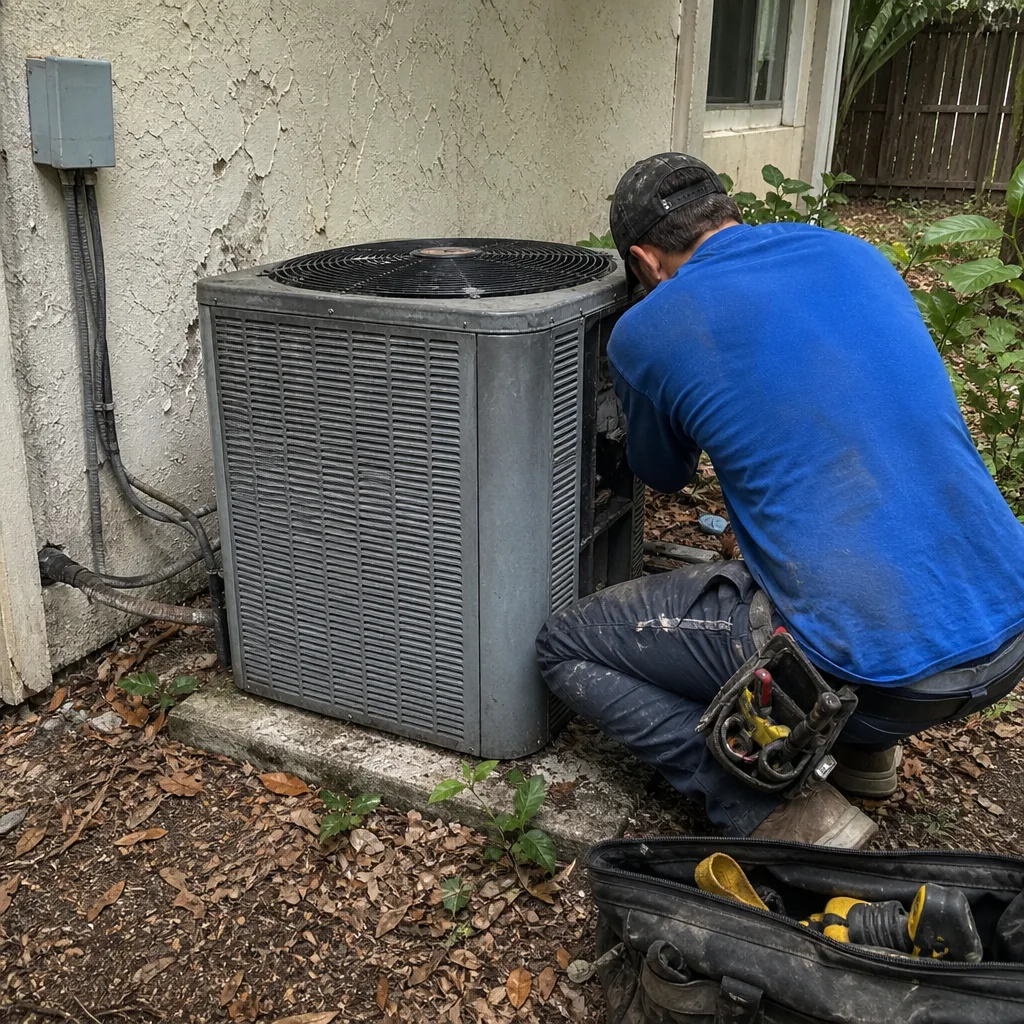 Before
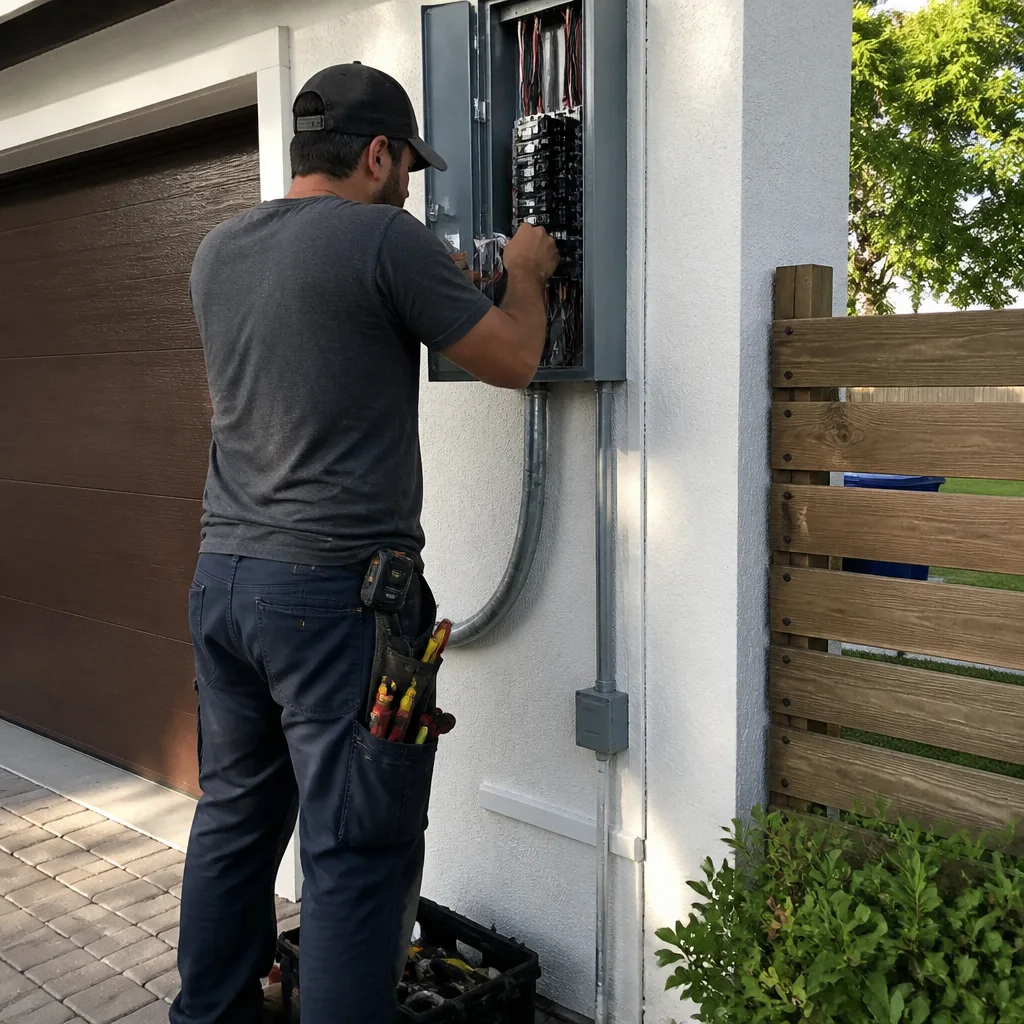 After
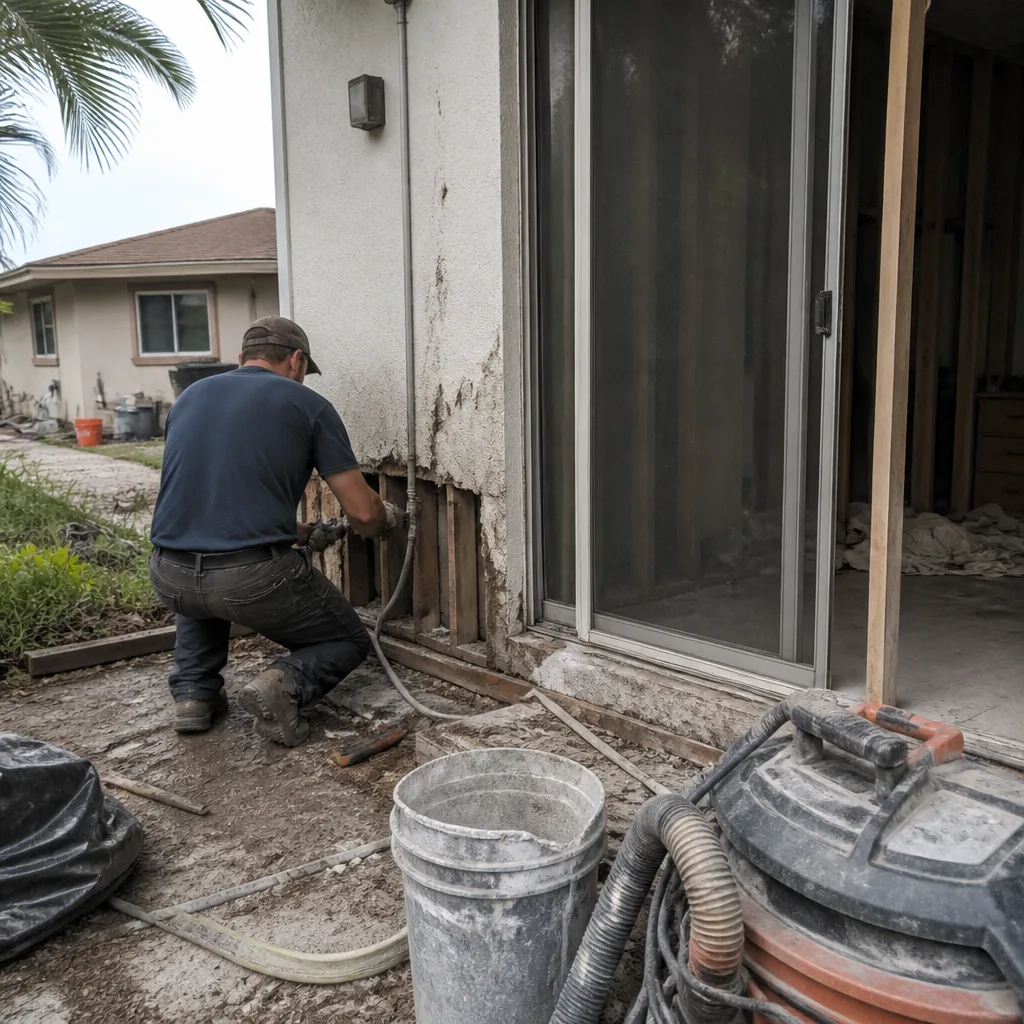 Before
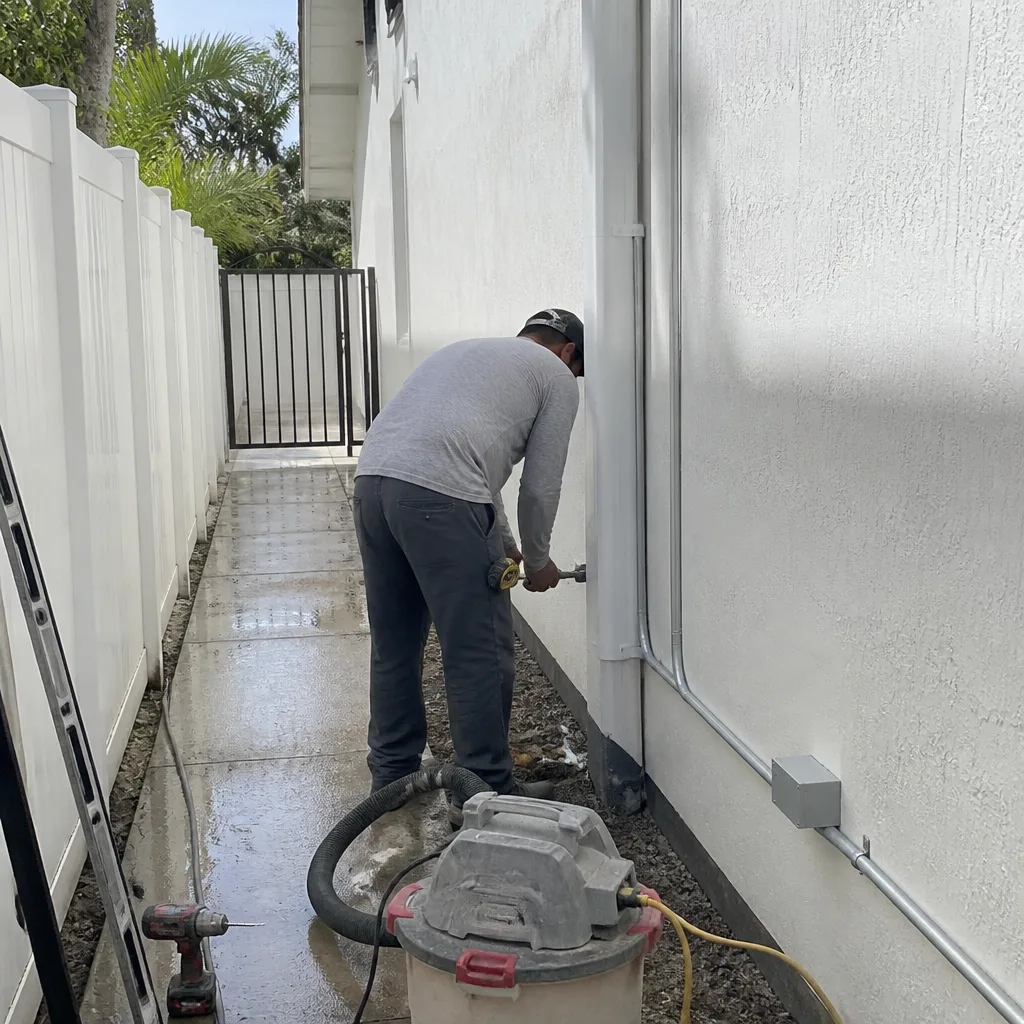 After
Replacement Cost & What’s Included
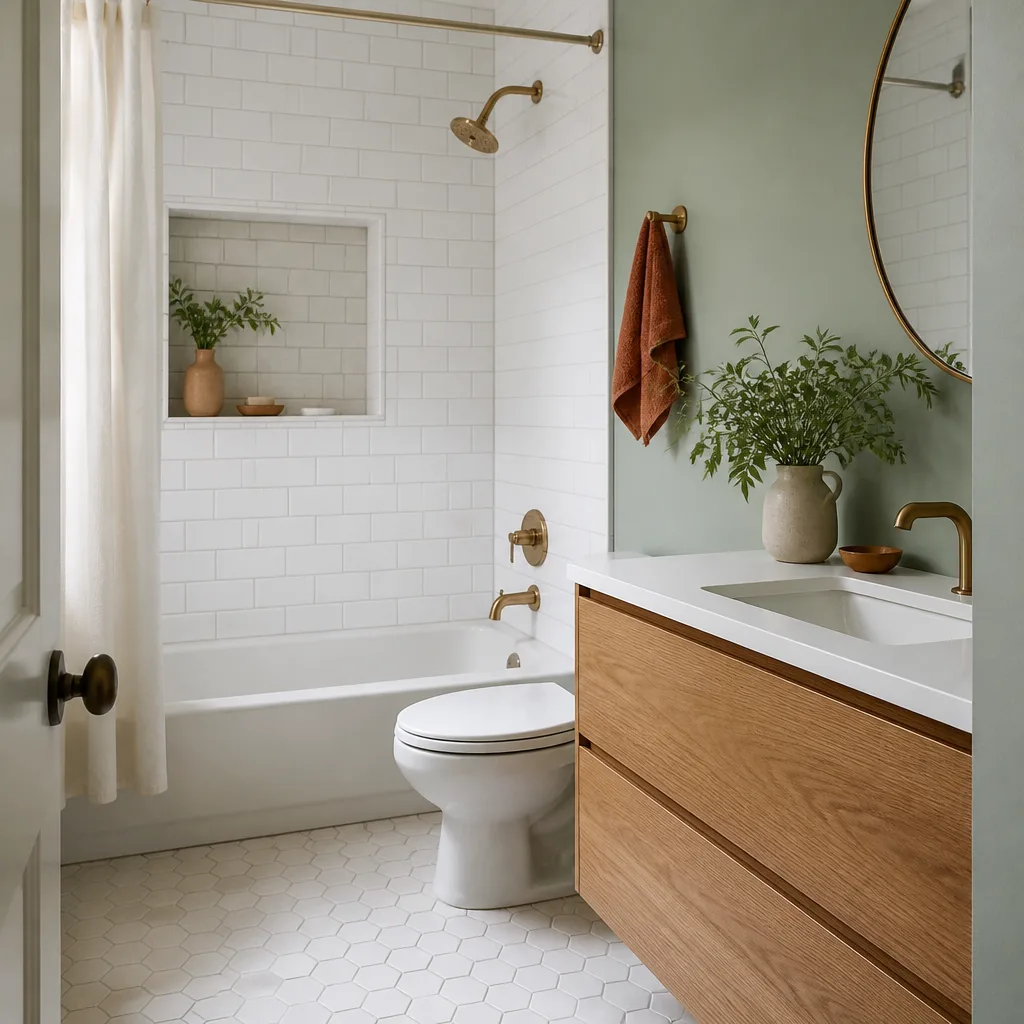
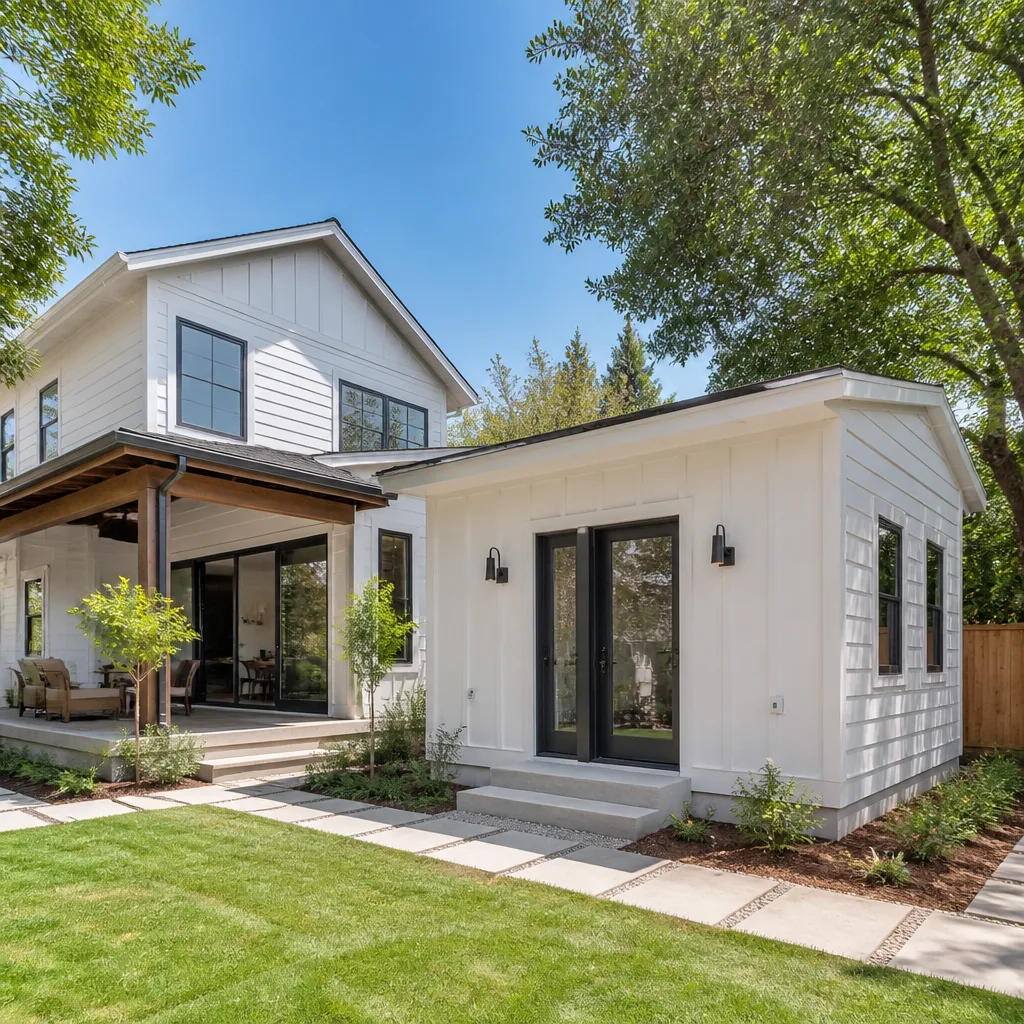
For a full home addition in West Palm Beach, expect $45,000 to $130,000. An ADU runs higher: $90,000 to $220,000 for a detached unit with its own kitchen and bath. What drives the range? Square footage is obvious, but the bigger variables are foundation type, roof tie-in complexity, and utility distances. An ADU that needs a new electrical subpanel, a sewer line run of 60 feet, and a reinforced slab will land at the top of that range. A bedroom addition that shares an existing wall and extends the current roof line will come in lower.
Every estimate we write includes line-item labor, materials by brand and quantity, a firm start and end window, and the permit fees as a separate visible line. We don’t give a ballpark number and then revise it after the crew arrives. The written price is the price. The 365-Day Done Right Promise covers the completed addition or ADU: if something wasn’t done right, we come back and make it right, no argument.
West Palm Beach addition cost breakdown:
- Home addition: $45,000 – $130,000
- ADU construction: $90,000 – $220,000
- Garage conversion: $30,000 – $80,000
- Kitchen remodel (if part of the addition): $14,000 – $45,000
- Bathroom remodel (if part of the addition): $9,000 – $28,000
DIY or Call Us?
Planning an addition is a different animal from replacing a faucet cartridge. You can safely do some homework yourself: measure your lot lines against the county setback requirements, check your HOA rules if you have one, and sketch the room layout you want. Those steps save time and give you a real conversation starter when you call a contractor.
What you shouldn’t do is touch the structural, electrical, or plumbing work. Framing a new roof tie-in, running new circuits back to the panel, and tying a new sewer line into the existing stack are all permitted, inspected jobs in Palm Beach County. Getting any one of them wrong is expensive to undo and can be dangerous in the meantime. If your existing American Standard fixtures are staying put and the addition is simply new square footage, the risk is mostly financial. If you’re relocating a water heater, adding a subpanel, or cutting into the roof structure, call a licensed contractor. We’re at (728) 203-3270, and we’ll give you a written price before any work starts.
Frequently Asked Questions
A properly built addition on a West Palm Beach lot lasts 40 to 60 years before major structural work, though the roof and stucco will need attention sooner. The Florida heat and humidity shorten the life of sealants, flashing, and paint, so plan to reseal exterior joints every 7 to 10 years. Call (728) 203-3270 if you want an inspection of an existing addition before you buy a home with one already attached.
It depends on the pipe size and the distance from the existing stack. Many West Palm Beach homes have 3-inch drains, which can handle a new toilet and shower if the run isn’t too long. If the new bath sits far from the stack or requires a lift, we’ll spec a new line and include it in the written price before work begins.
A single-room addition in West Palm Beach generally takes 10 to 16 weeks from permit approval to final inspection, assuming normal weather. A detached ADU runs 4 to 8 months because of the separate foundation, utility runs, and additional inspections. We give you a firm start and end window in writing before the first drop cloth goes down.
We order structural materials per job, but our crews carry the common consumables on the truck: fasteners, flashing, sealants, and protective coverings. For American Standard fixtures, we source them new per your spec sheet and match them to your existing rough-ins. We don’t keep a warehouse of tubs and toilets; we order what your job needs after you approve the written scope.
No. The price we put in writing before any work starts is the price you pay, unless you change the scope. If we open a wall and find termite damage or cast-iron pipe that’s rotted out, we stop, show you what we found, and give you a written change order before doing anything extra. You approve it first, or we don’t do it.
Written by Graham Stein, Owner, Elmstead Remodeling West Palm Beach at Elmstead Remodeling West Palm Beach, serving West Palm Beach and nearby areas.
Ready to talk about your addition or ADU? Call (728) 203-3270 any time. A live person answers, and we’ll schedule a free estimate at your West Palm Beach home.