Free written scope consultation - allowances, timeline, and change-order rules on paper before a single trade is scheduled
James Hardie Home Additions & ADU: The West Palm Beach Owner’s Guide
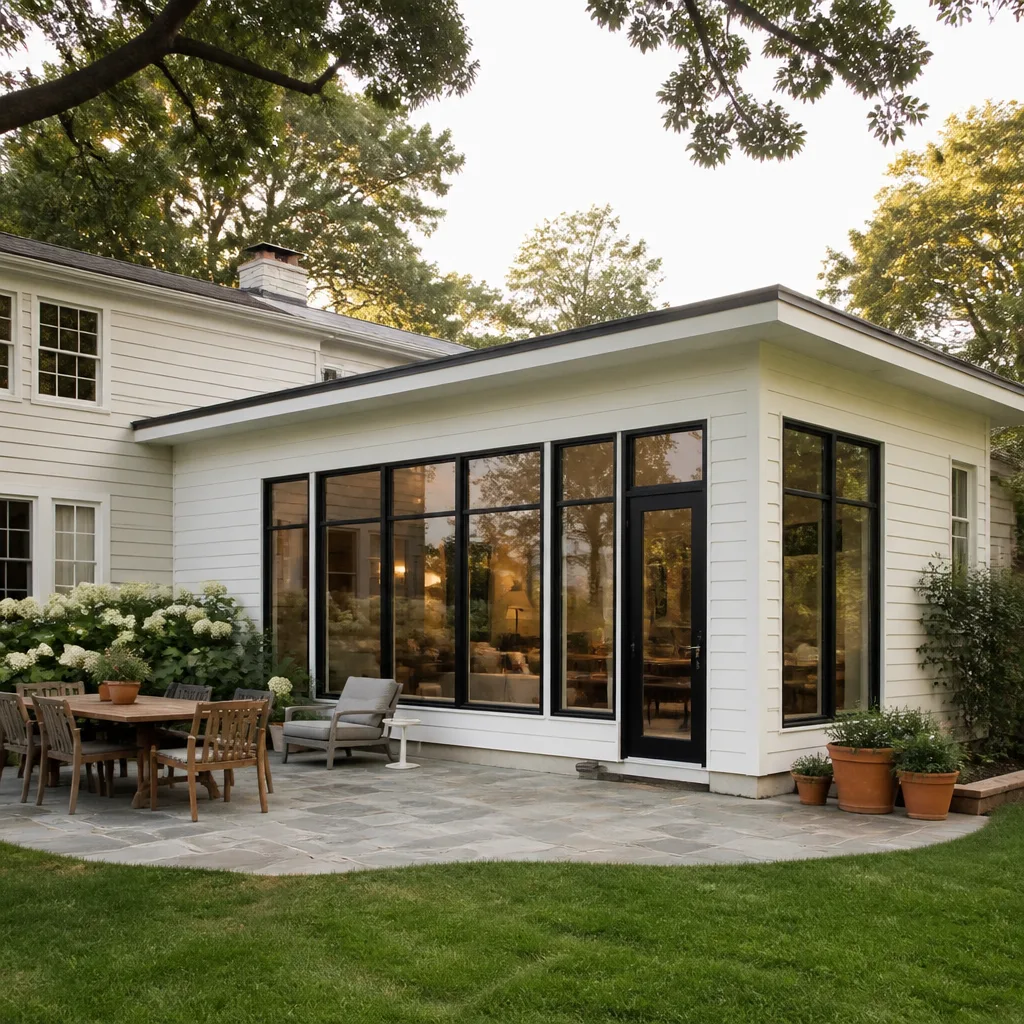
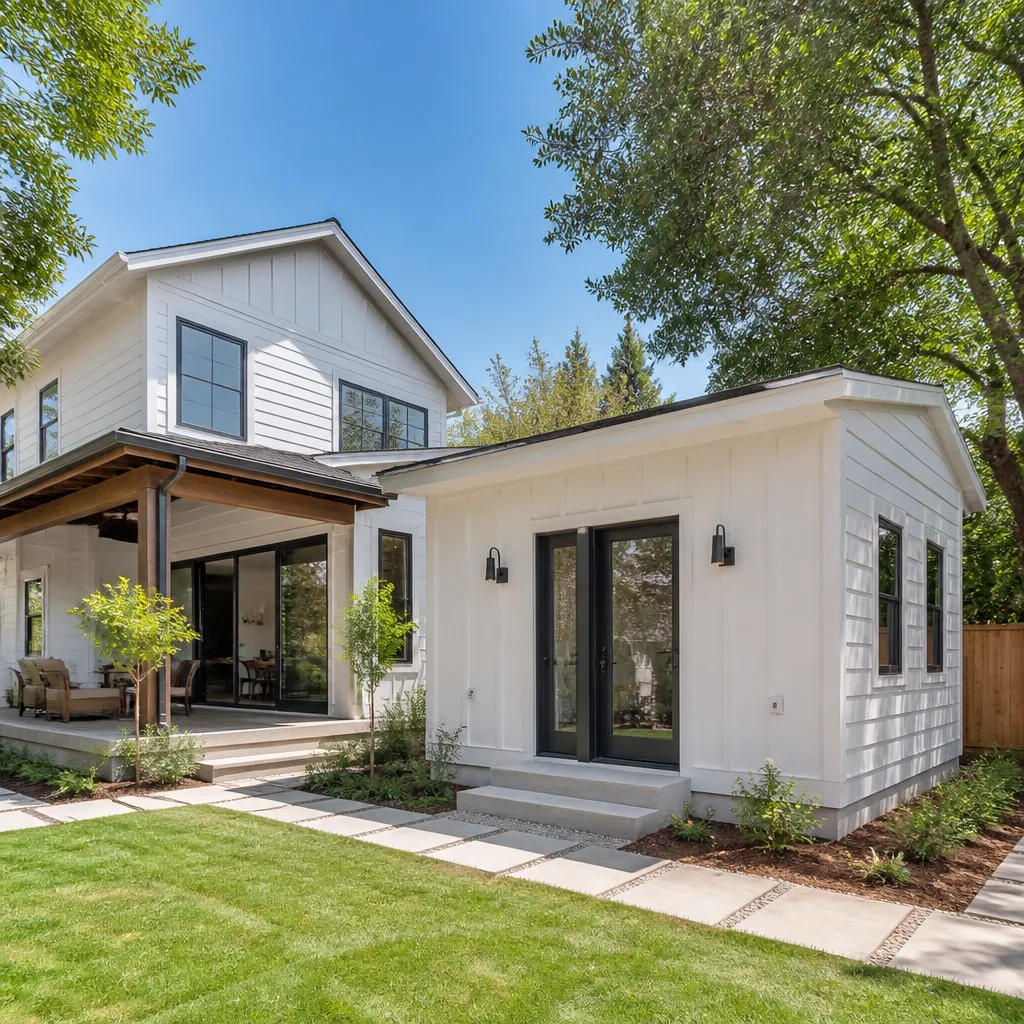
James Hardie home additions and ADUs in West Palm Beach typically run $45,000 to $130,000 for a full addition, with standalone ADU construction landing between $90,000 and $220,000 depending on size, foundation work, and finish level. We carry James Hardie siding, trim, and HardieBacker board on our trucks and match existing Hardie profiles so the new structure looks like it was always there. Most West Palm Beach owners call us because their existing Hardie siding has failed at the bottom edge, or they want to add square footage without a mismatched exterior patch job.
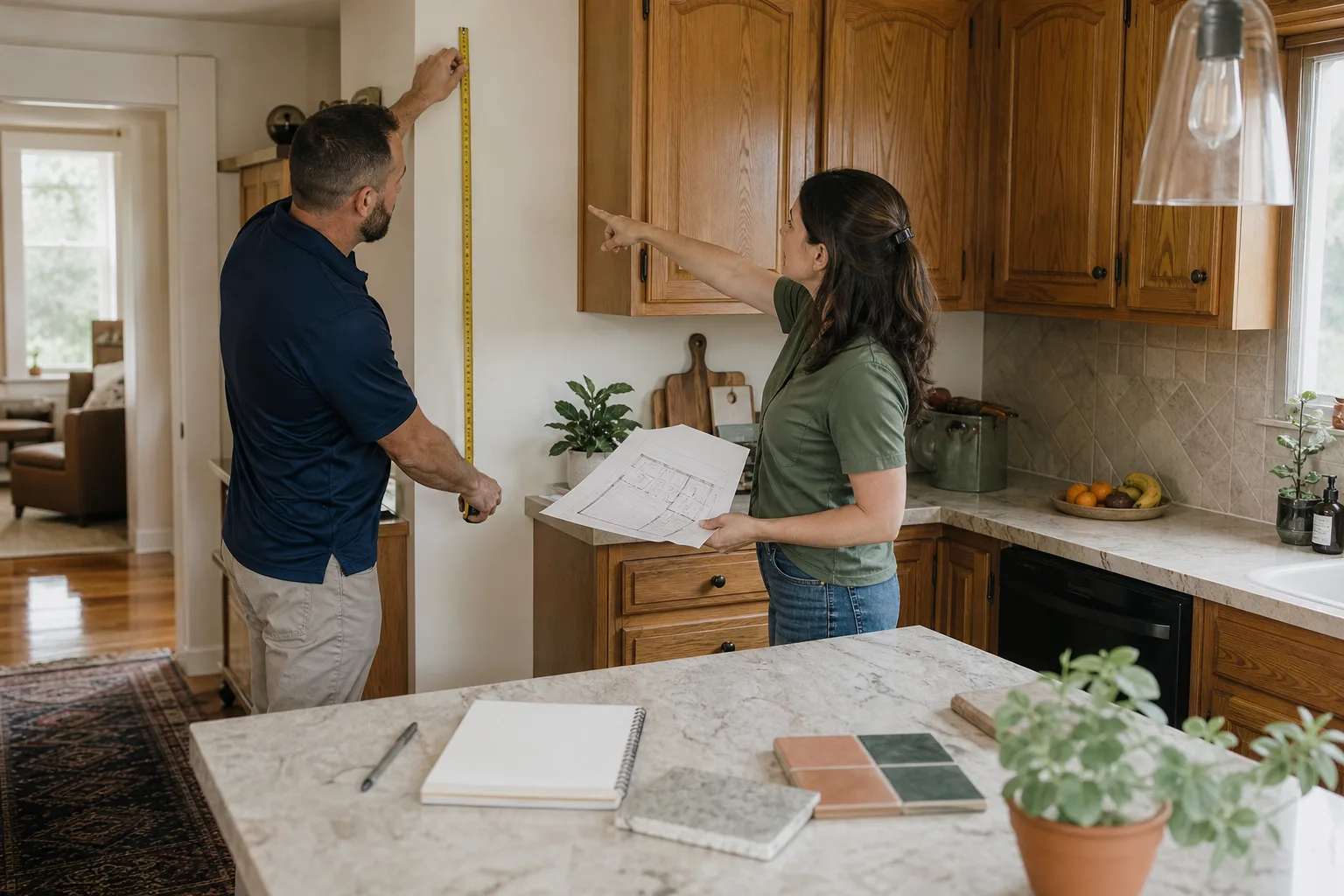
What we see most often: a homeowner adds a bedroom or in-law suite, and the contractor who framed it used a different siding product or the wrong Hardie profile. Six months later, the seam is visible from the street. Graham Stein walks every addition site himself before the first tool is unpacked, and the first question he asks is what Hardie profile is already on the house.
Which James Hardie Models This Applies To
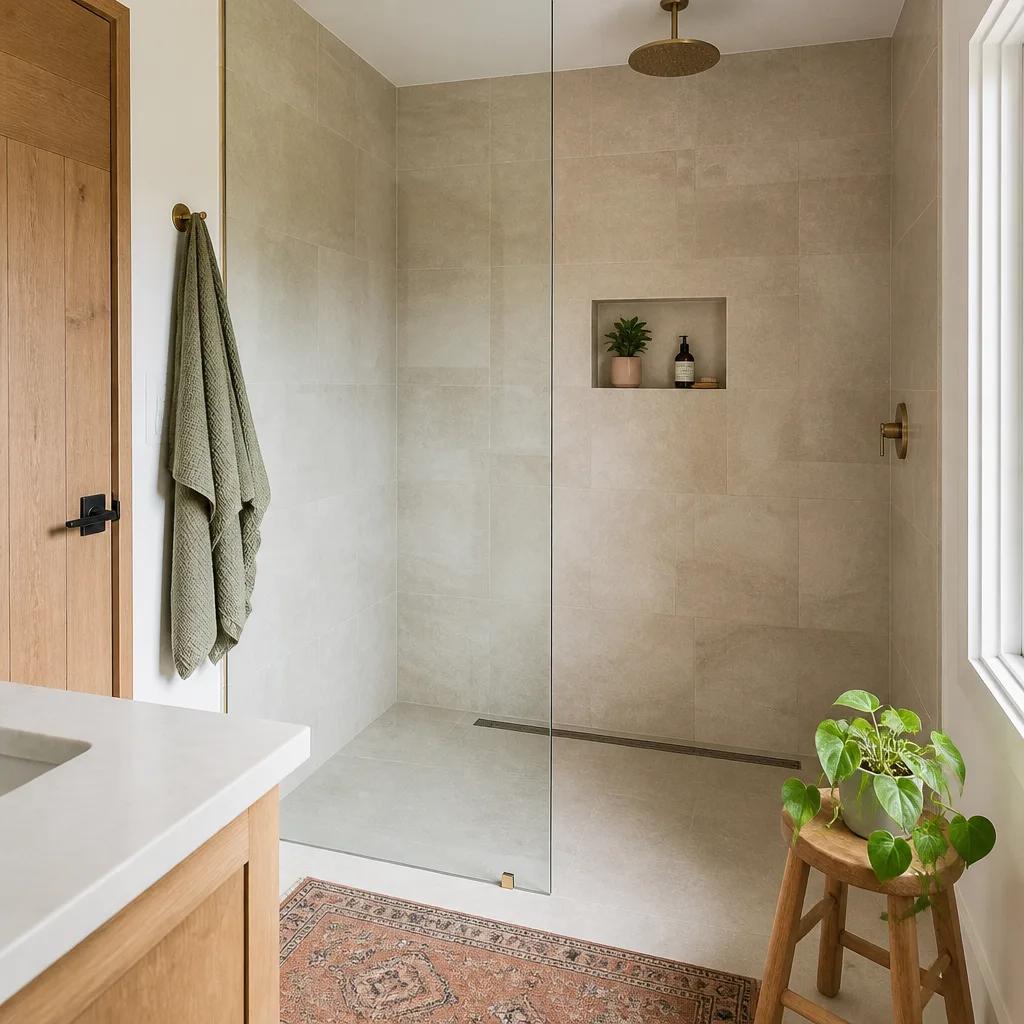
This guide covers the James Hardie products most commonly specified for home additions and ADUs in South Florida: HardiePlank lap siding (smooth and Cedarmill textures), HardiePanel vertical siding, HardieTrim boards (smooth and Rustic Grain), HardieSoffit, and HardieBacker cement board used behind tile in new bathrooms and kitchens. The compatibility gotcha we see repeatedly: HardiePlank comes in multiple exposure widths (4″, 5″, 6″, 7.25″, and 8.25″), and matching the exposure exactly is what makes the addition disappear into the original structure. Measure the visible lap height on your existing siding before anyone orders material.
OEM versus aftermarket matters less with James Hardie than with mechanical parts, but there is one distinction worth knowing. HardieTrim and HardiePlank are engineered as a system with specific fastening and flashing details. Generic fiber-cement boards from other manufacturers are not drop-in equivalents; they have different expansion rates and thickness tolerances. We specify genuine James Hardie products on additions because the manufacturer’s 30-year limited warranty travels with the finished project, and the color-matched trim system means no painted seams that telegraph the addition line. If you are matching HardieTrim around windows, note that it comes in 5/4 and 4/4 thicknesses, and using the wrong one creates a visible step at the corner boards.
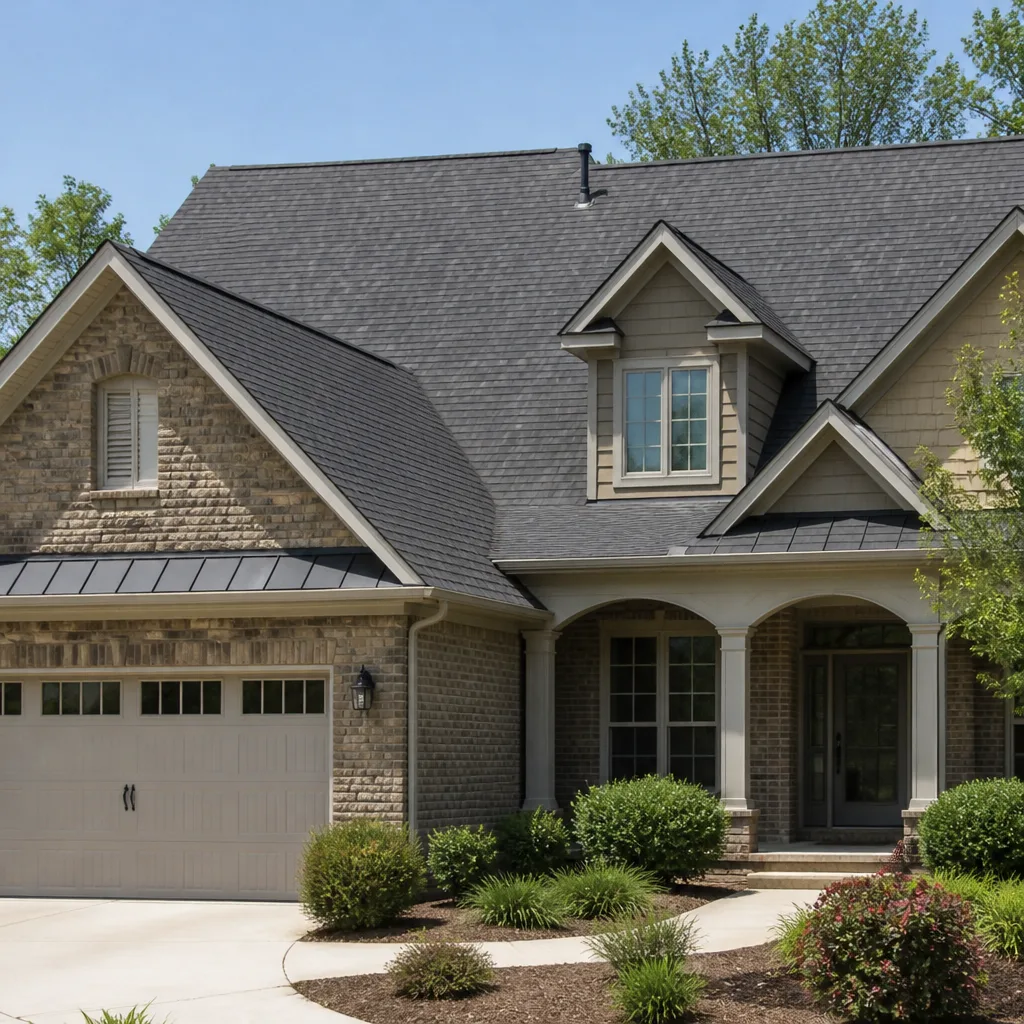
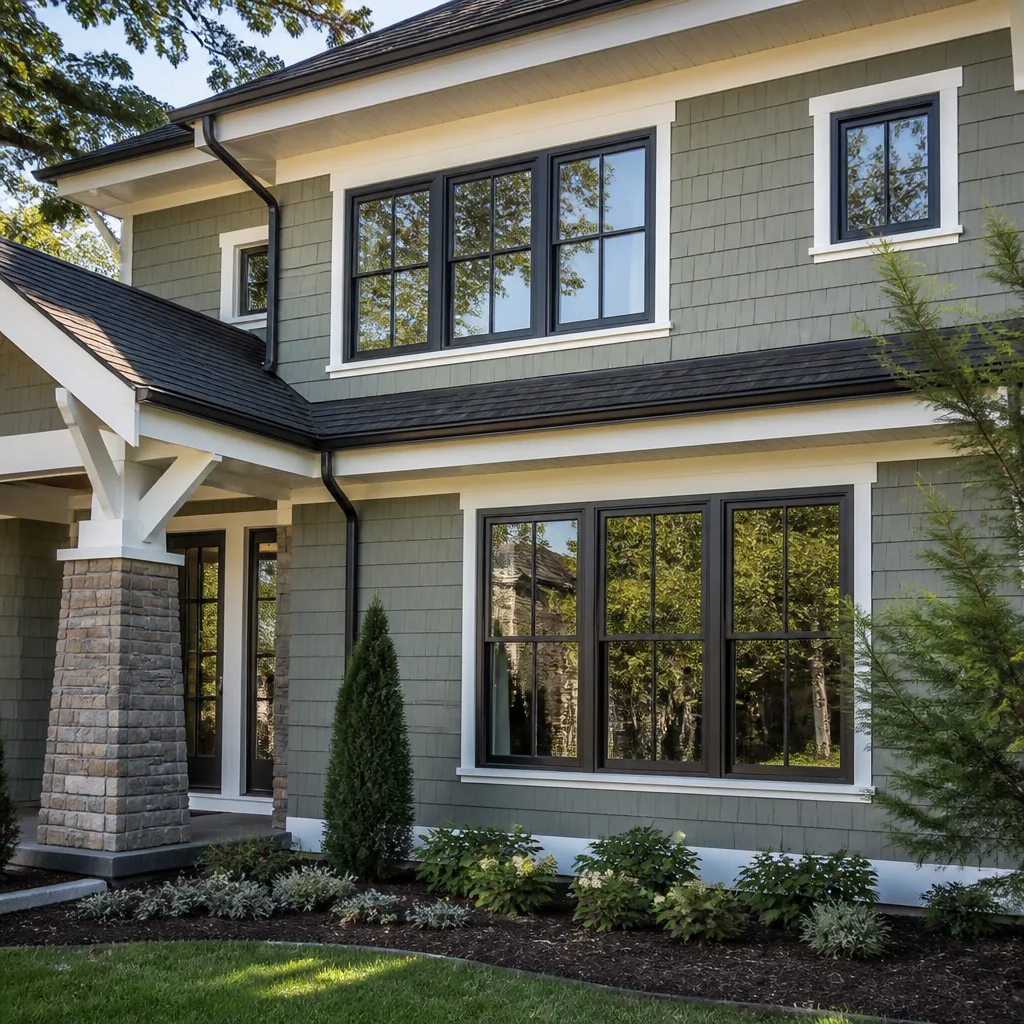
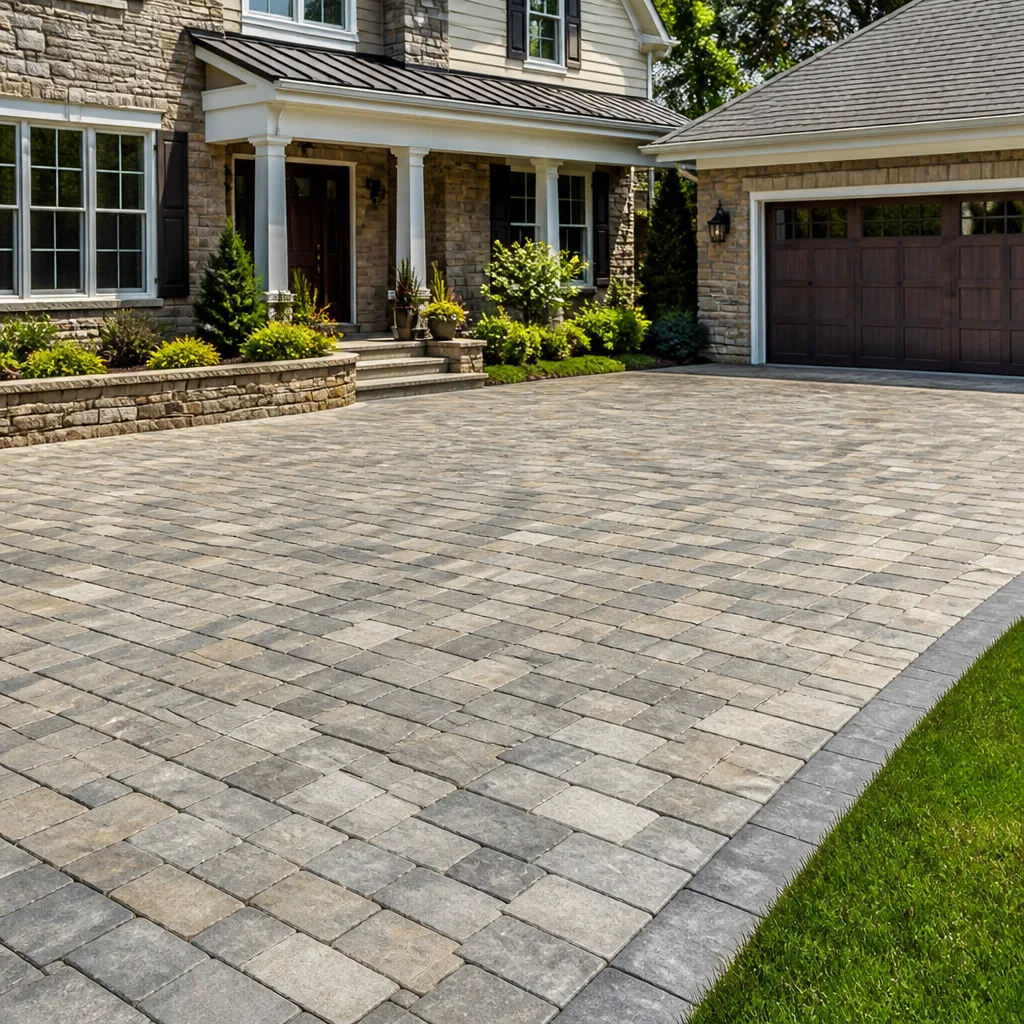
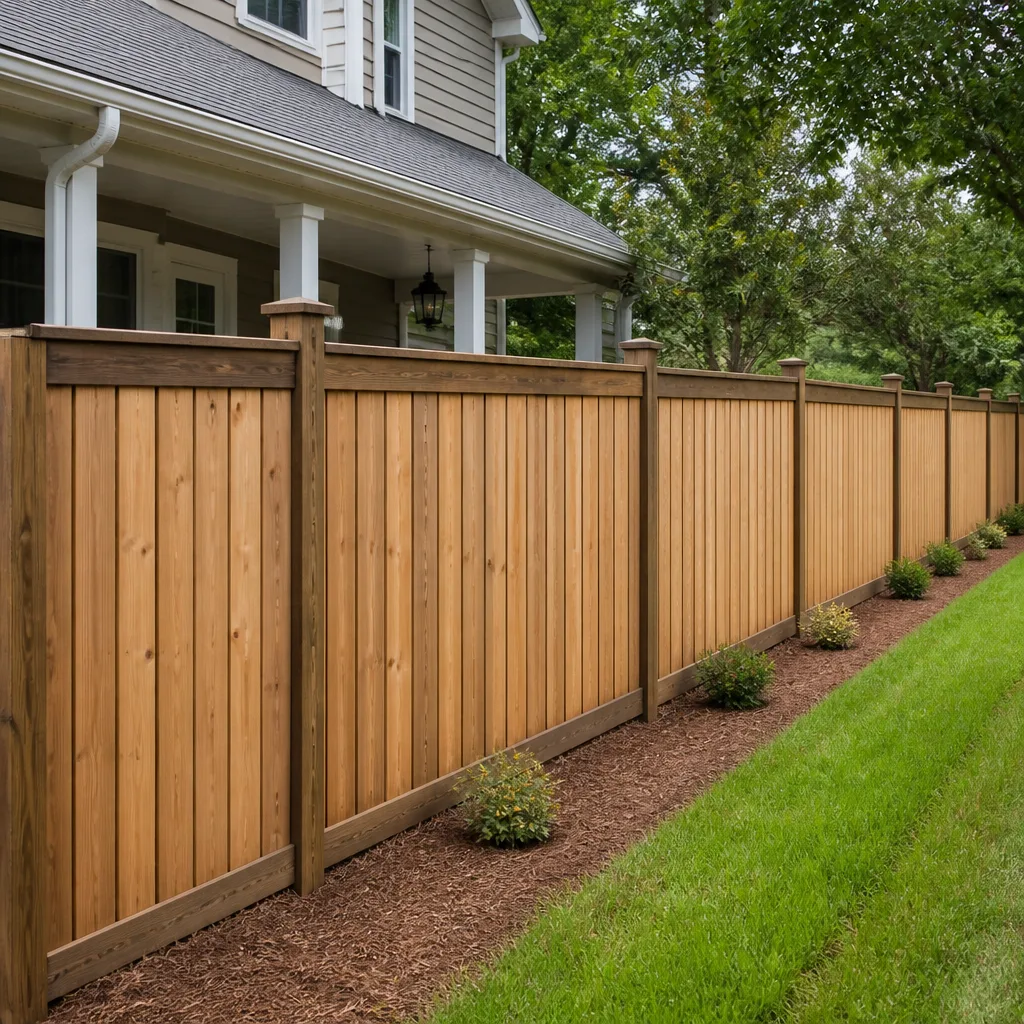
Styles & brands we work with
Signs Your James Hardie Home Additions & ADU Is Failing
- Swelling or crumbling at the bottom edge of the siding. In West Palm Beach’s humidity, HardiePlank that was installed too close to grade or without proper clearance wicks moisture and delaminates. The bottom 3 inches are always the first to go.
- Visible seam lines or color mismatch at the addition transition. This usually means the previous installer used a different siding profile or painted HardieTrim instead of using factory-color trim. On Flamingo Park homes with 80-year-old original details, this mismatch is the first thing a buyer notices.
- Gaps opening at butt joints. James Hardie requires a 1/8″ gap at board ends with proper flashing behind. When installers butt boards tight, the thermal expansion in Florida’s sun pushes them apart and exposes the weather barrier. Caulk alone will not fix this; the boards need to be cut and re-set with the correct joint treatment.
- Nail heads backing out or rust streaks running down the siding. Hardie products require stainless steel or hot-dipped galvanized fasteners. In coastal Palm Beach County air, standard nails corrode within years and leave rust trails that are nearly impossible to remove.
- Soft spots or rot at HardieTrim intersections around windows and corners. This is rarely the Hardie product failing; it is the flashing detail behind it. Water gets in at the trim joint, sits against the framing, and the damage shows up on the surface years later.
See the difference
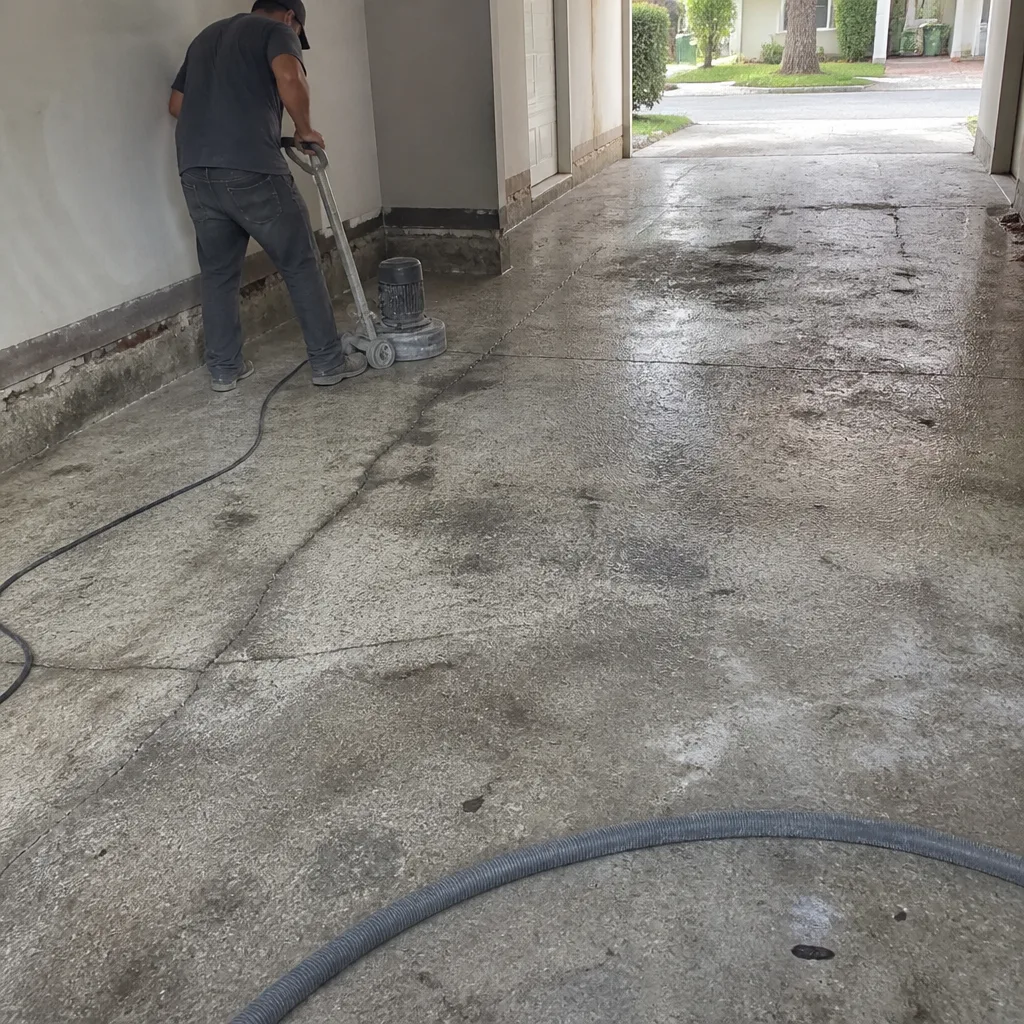 Before
 After
After Before
 After
After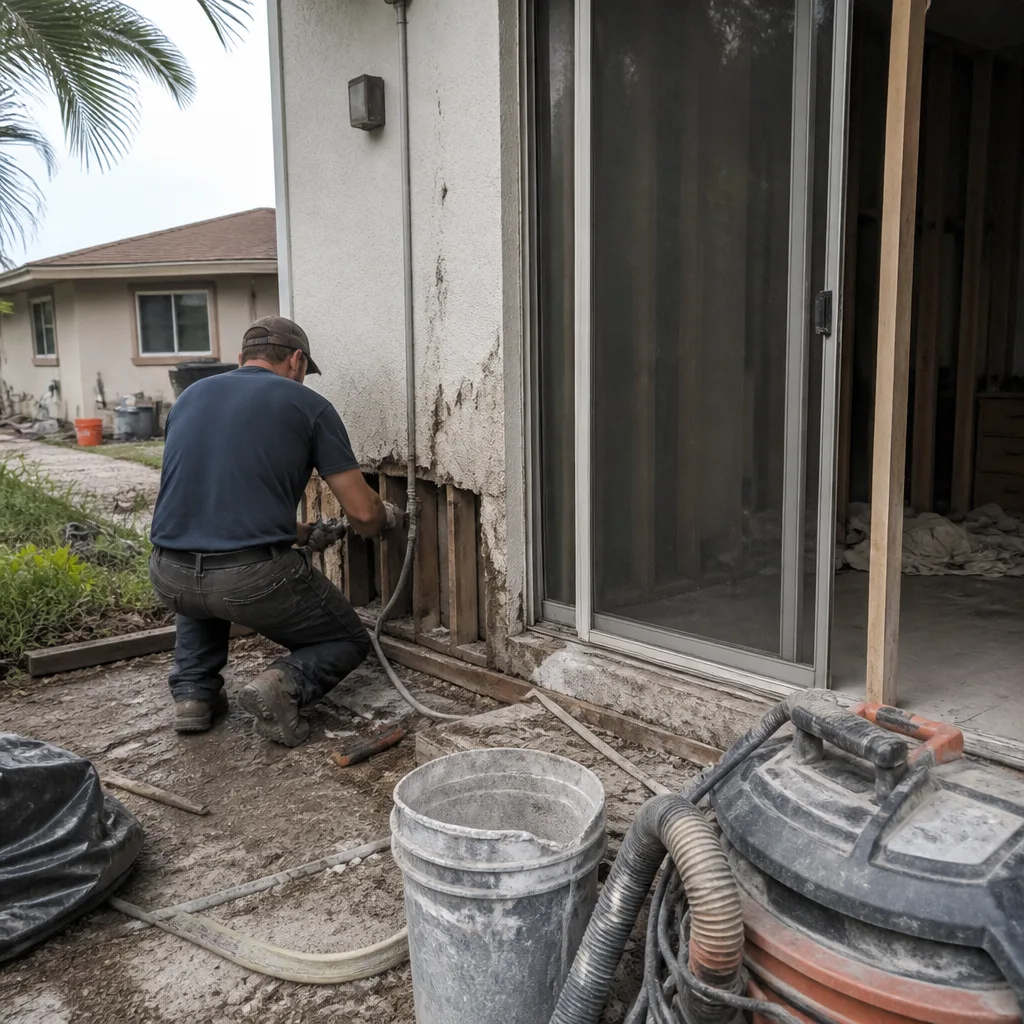 Before
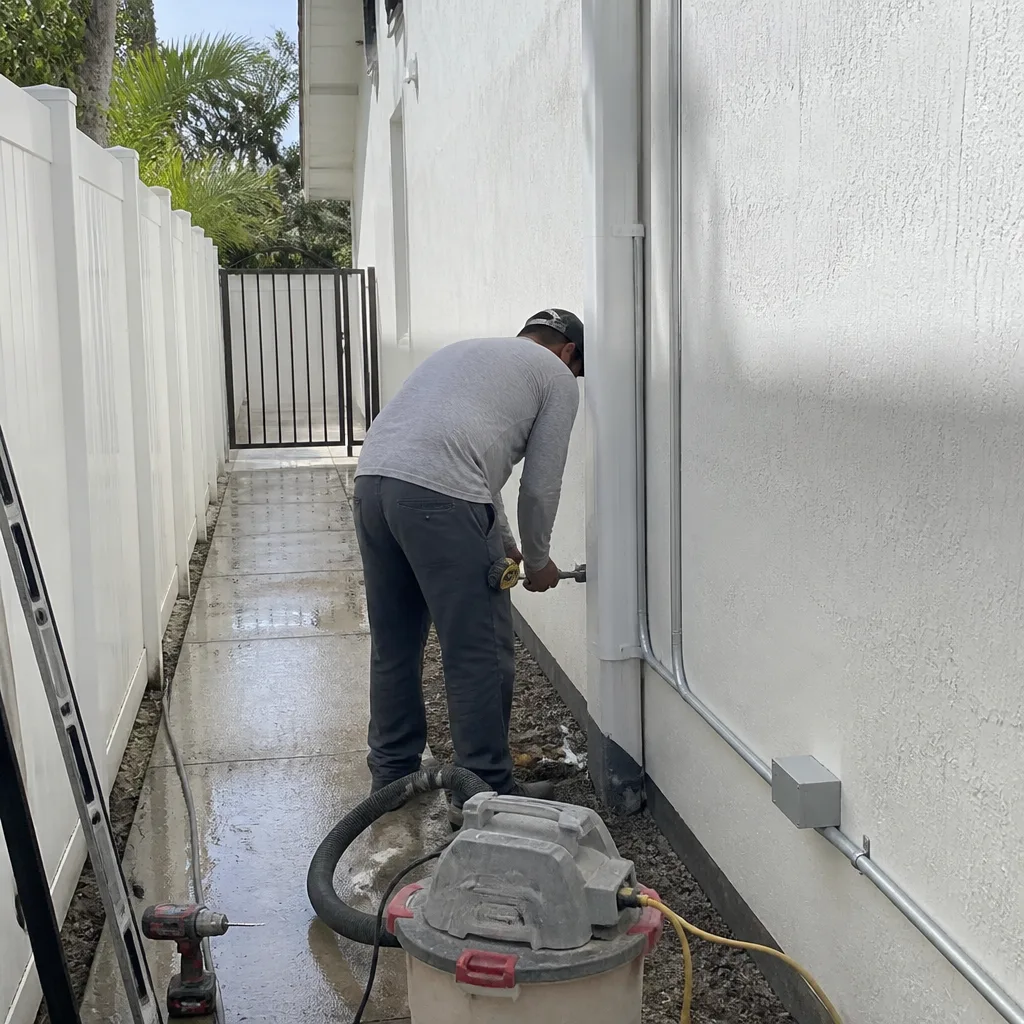 After
AfterReplacement Cost & What’s Included
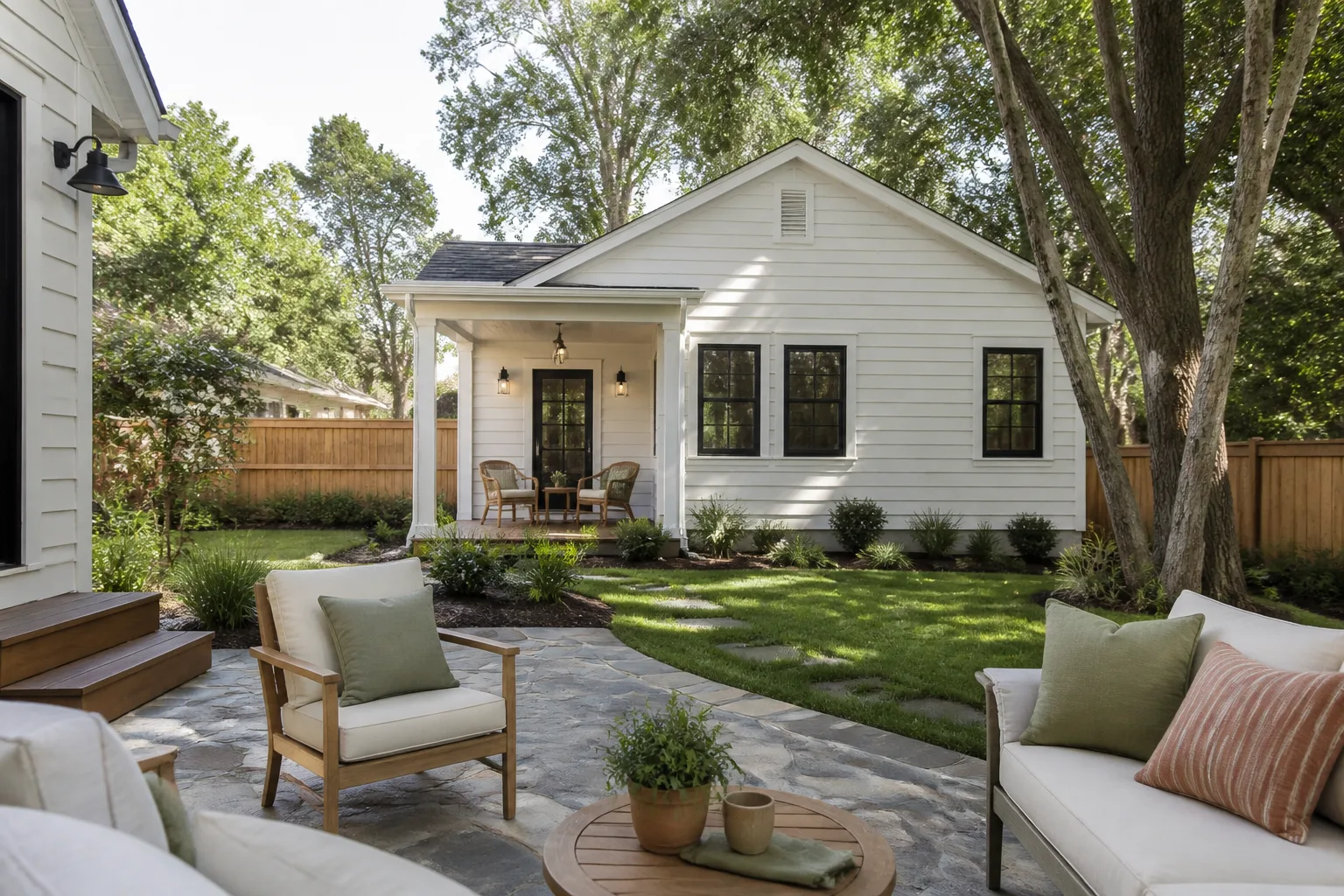
For a full home addition in West Palm Beach with James Hardie exterior, expect $45,000 to $130,000 depending on square footage, foundation type, roof tie-in complexity, and interior finish level. A standalone ADU runs $90,000 to $220,000. If you are only repairing or replacing failed Hardie siding on an existing structure, that work typically falls within the $8,000 to $25,000 range depending on how much of the envelope is involved and whether framing repair is needed behind it.
What drives the range on additions specifically: whether the new foundation requires pilings or slab-on-grade, whether the roof needs a full tie-in versus a shed-roof connection, how much electrical and HVAC work the new space requires, and which James Hardie profile you are matching. Every Elmstead estimate includes a written line-item breakdown: labor, materials by brand and quantity, and a firm start and end window. The 365-Day Done Right Promise covers every completed addition; if something is not right, we make it right. No change orders appear after the crew arrives unless you ask for a change in scope, and we put that in writing before touching it.
DIY or Call Us?
There are a few things you can safely check yourself. Look at the bottom edge of your existing Hardie siding and measure the gap between the siding and the ground; it should be at least 6 inches to grade in West Palm Beach. Check the nail heads for rust. Note which Hardie profile and exposure width you have, and write it down. That information alone saves us a site visit when you call.
What we would not recommend is removing or replacing Hardie siding on an occupied home yourself. Cutting fiber cement produces silica dust that requires proper containment and a respirator, and mis-flashed HardiePlank hides its problems for years before they show up as rot in the framing. We have opened up walls in West Palm Beach additions where a previous DIY siding repair had quietly ruined $6,000 worth of sheathing. If you are planning an addition, call us before you frame anything; we will match the Hardie profile, specify the flashing details, and hand you a written price before any work starts. Call (728) 203-3270 and ask for Graham.
FAQs
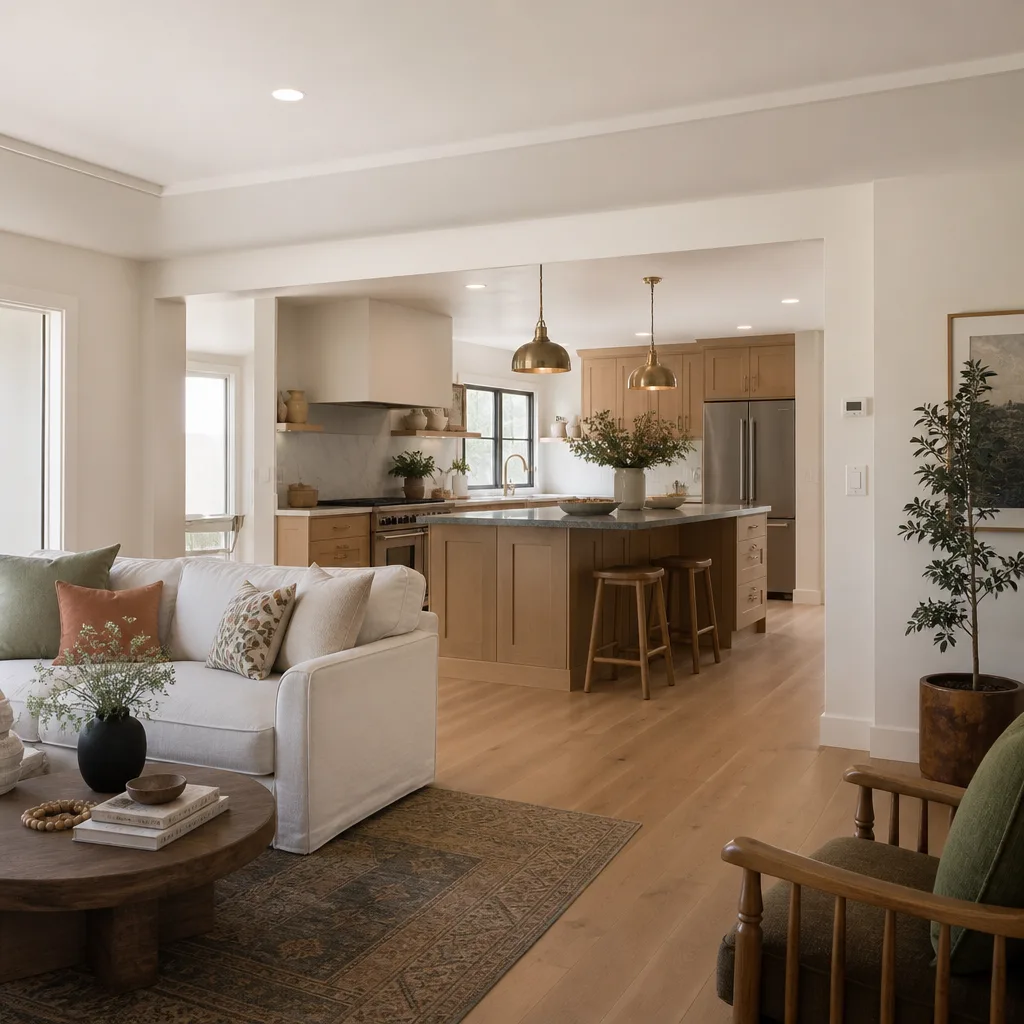
James Hardie fiber-cement siding typically lasts 30 to 50 years in South Florida, but the lifespan depends almost entirely on installation details: proper clearance to grade, correct fasteners, and correctly flashed joints. A well-installed HardiePlank addition in West Palm Beach will outlast the roof it sits under. Call (728) 203-3270 and we will tell you honestly whether your existing Hardie needs attention or has years left in it.
Yes, isolated damage can often be repaired by cutting out and replacing individual boards, but we will not patch a board if the flashing behind it has failed. The repair is only as good as the water management detail underneath. We inspect behind the first board we pull before recommending repair versus replacement, and the price for either path is in writing before we begin.
A typical West Palm Beach home addition takes 3 to 6 months from permit to final inspection; an ADU runs 4 to 8 months depending on site conditions and utility connections. The Hardie siding installation itself is usually 1 to 2 weeks within that window. We give you a firm start and end window in the written scope of work, and we call if anything changes.
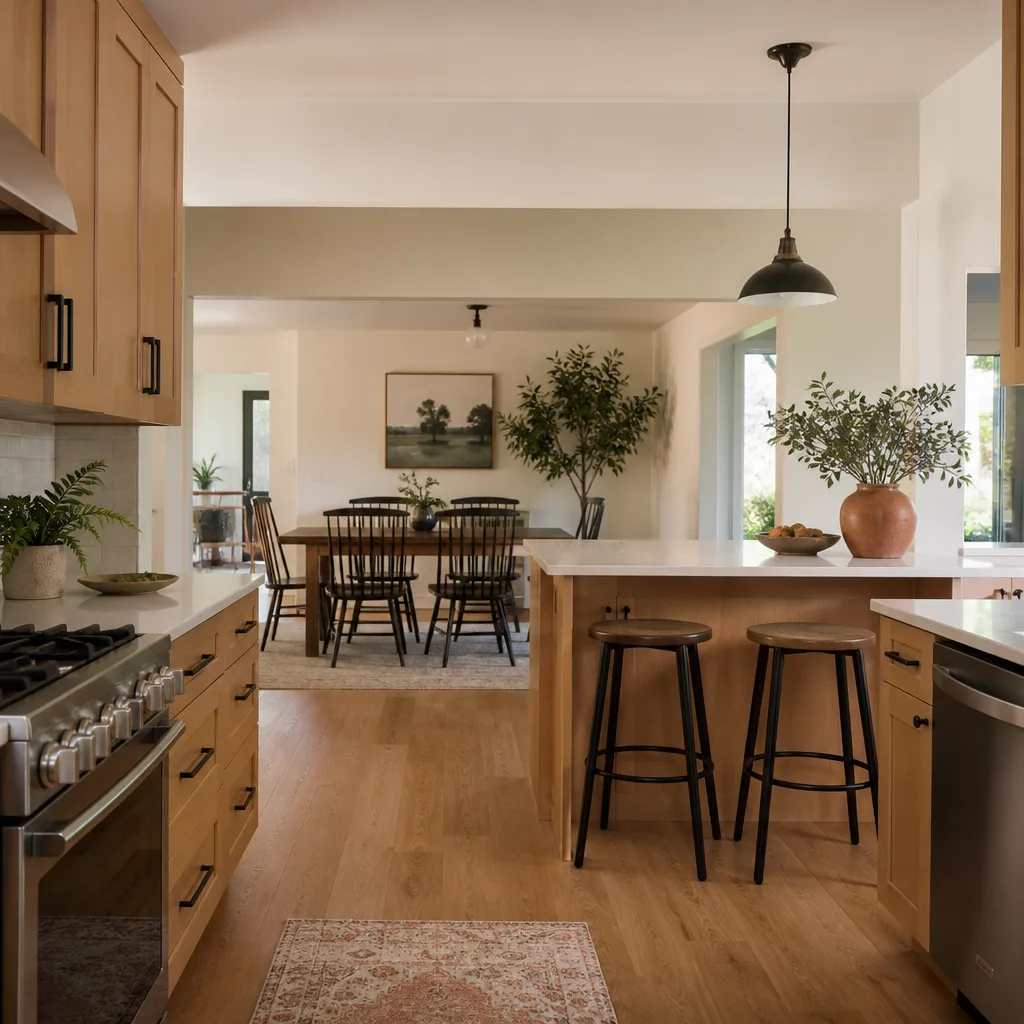
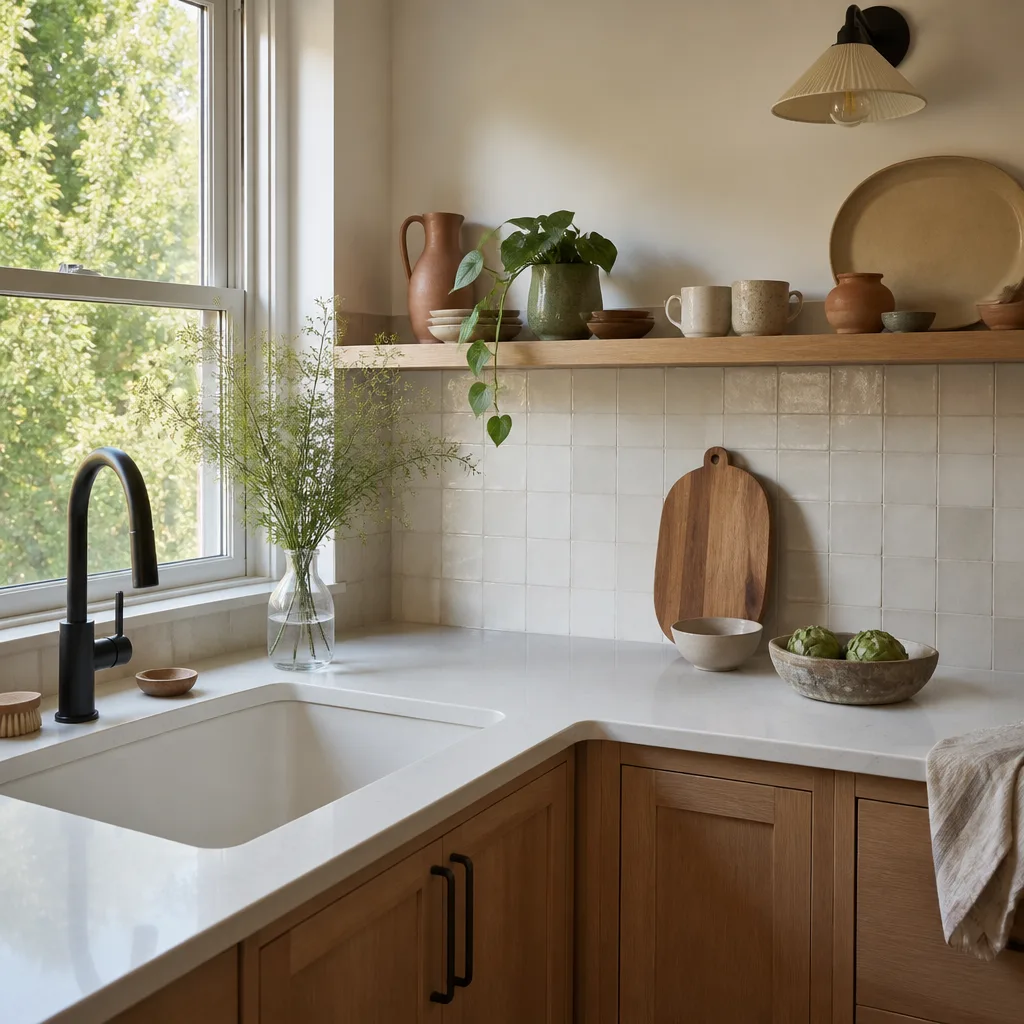
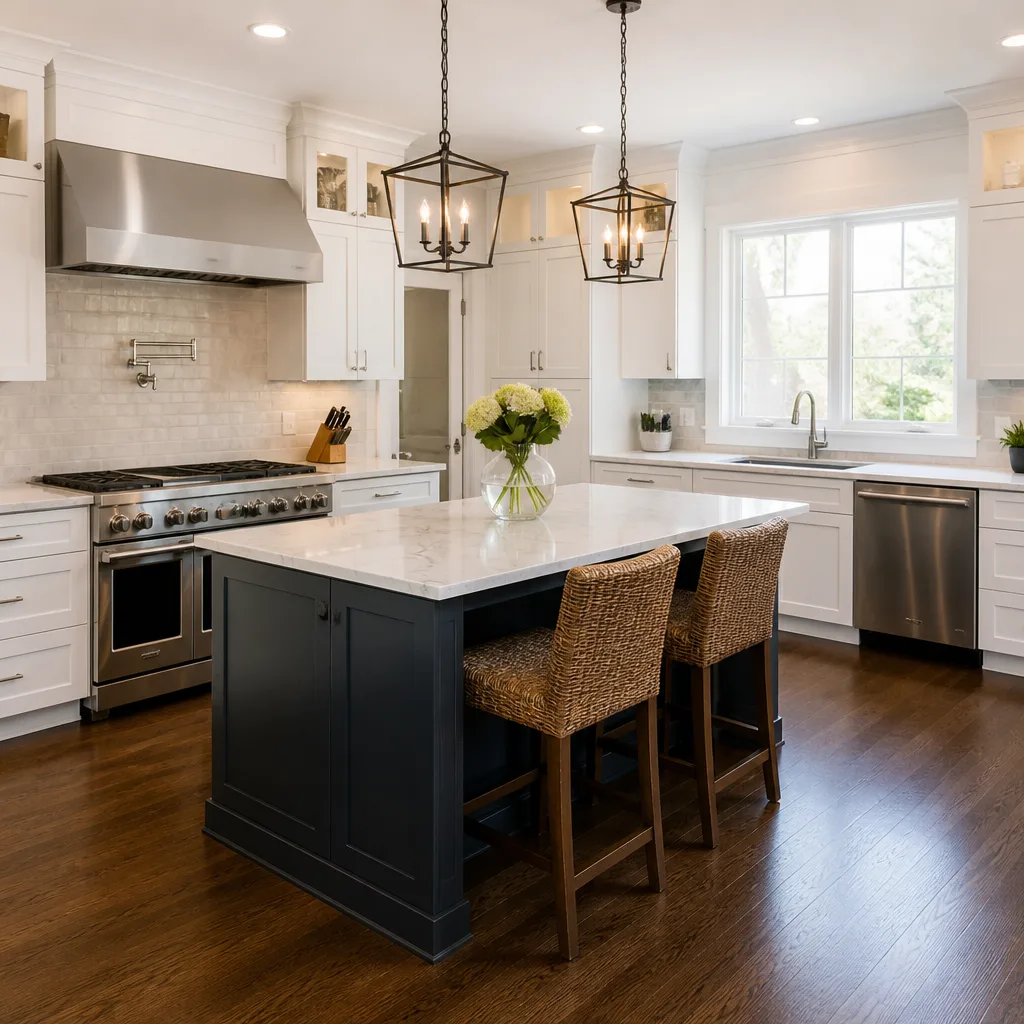
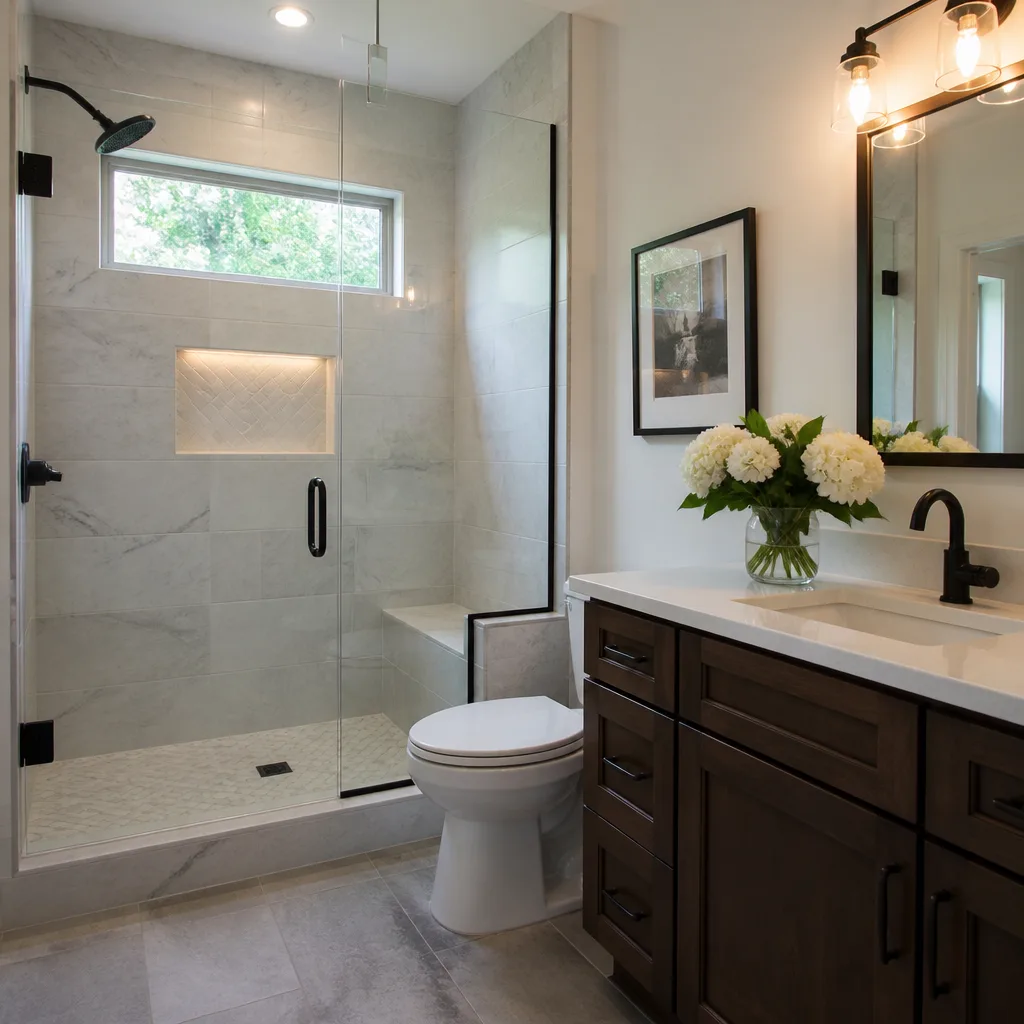
Yes. We keep HardiePlank in multiple textures and exposures, HardieTrim in 5/4 and 4/4 thicknesses, and HardieBacker board on our trucks for West Palm Beach job sites. We also work with KraftMaid, Cambria, and Silestone materials on additions that include kitchens or baths, and every brand we install carries a manufacturer warranty you can verify independently.
Written by Graham Stein, Owner, Elmstead Remodeling West Palm Beach at Elmstead Remodeling West Palm Beach, serving West Palm Beach and nearby areas.