Free written scope consultation - allowances, timeline, and change-order rules on paper before a single trade is scheduled
Plant Prefab Home Additions & ADU: The West Palm Beach Owner’s Guide
If your Plant Prefab home addition or ADU has a failing component, the fix usually lands between $45,000 and $130,000 in West Palm Beach, depending on whether we’re repairing a connection point, replacing a wall or roof assembly, or rebuilding a section of the structure. We stock Plant Prefab-compatible hardware and coordinate directly with your existing panel system so the repair matches what was originally installed. Most owners discover the problem the same way: a visible seam opening where two panels meet, a soft spot near the roofline after a Florida storm, or water staining that keeps coming back after a fresh coat of paint.
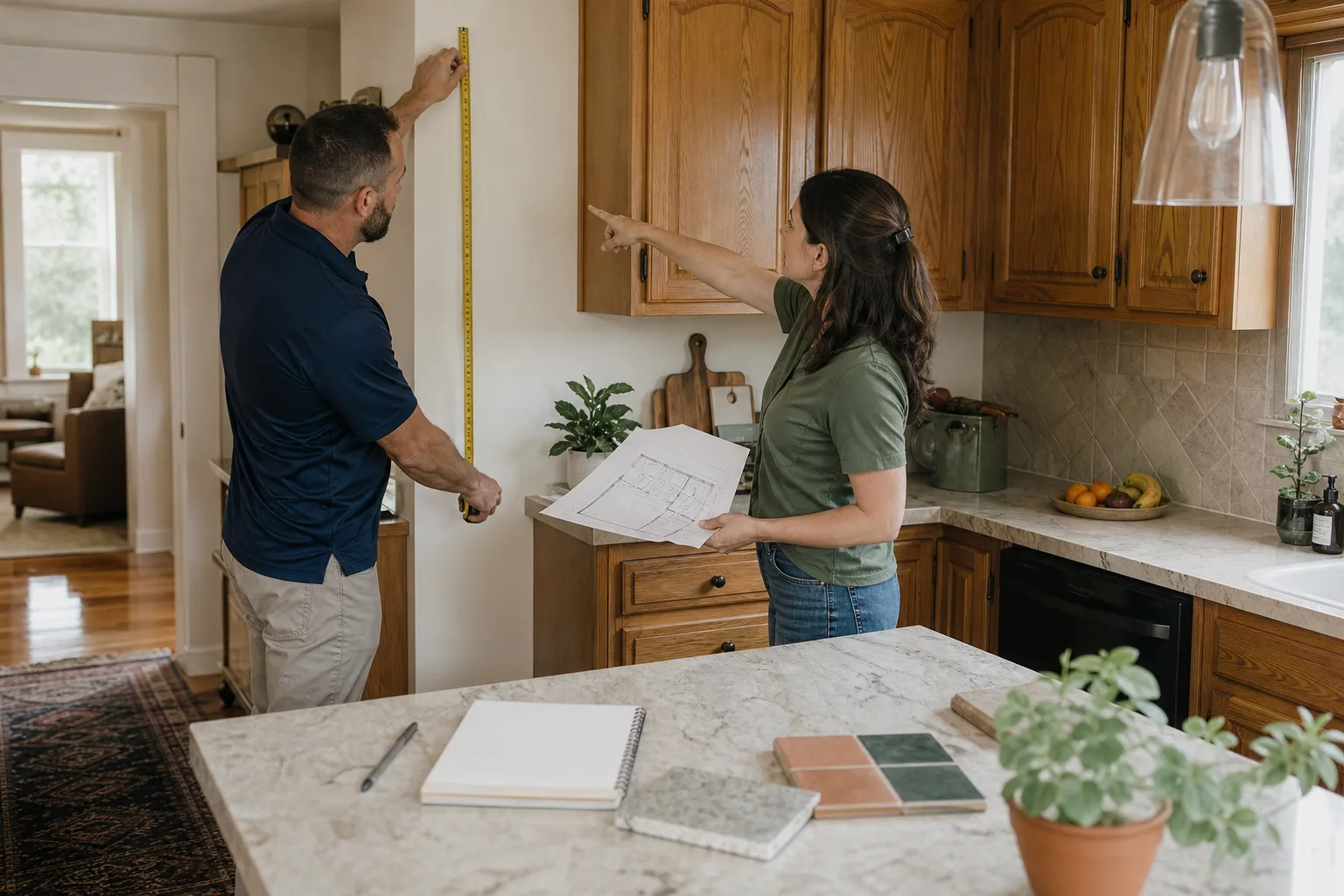
Graham Stein walks every Elmstead job site personally before any work begins, and he keeps a written scope of work in your hands first: itemized labor, materials by brand and quantity, and a firm start and end window. We’re an independent contractor, not affiliated with Plant Prefab, which means we’re free to recommend the right fix rather than a brand-mandated one.
Which Plant Prefab Models This Applies To
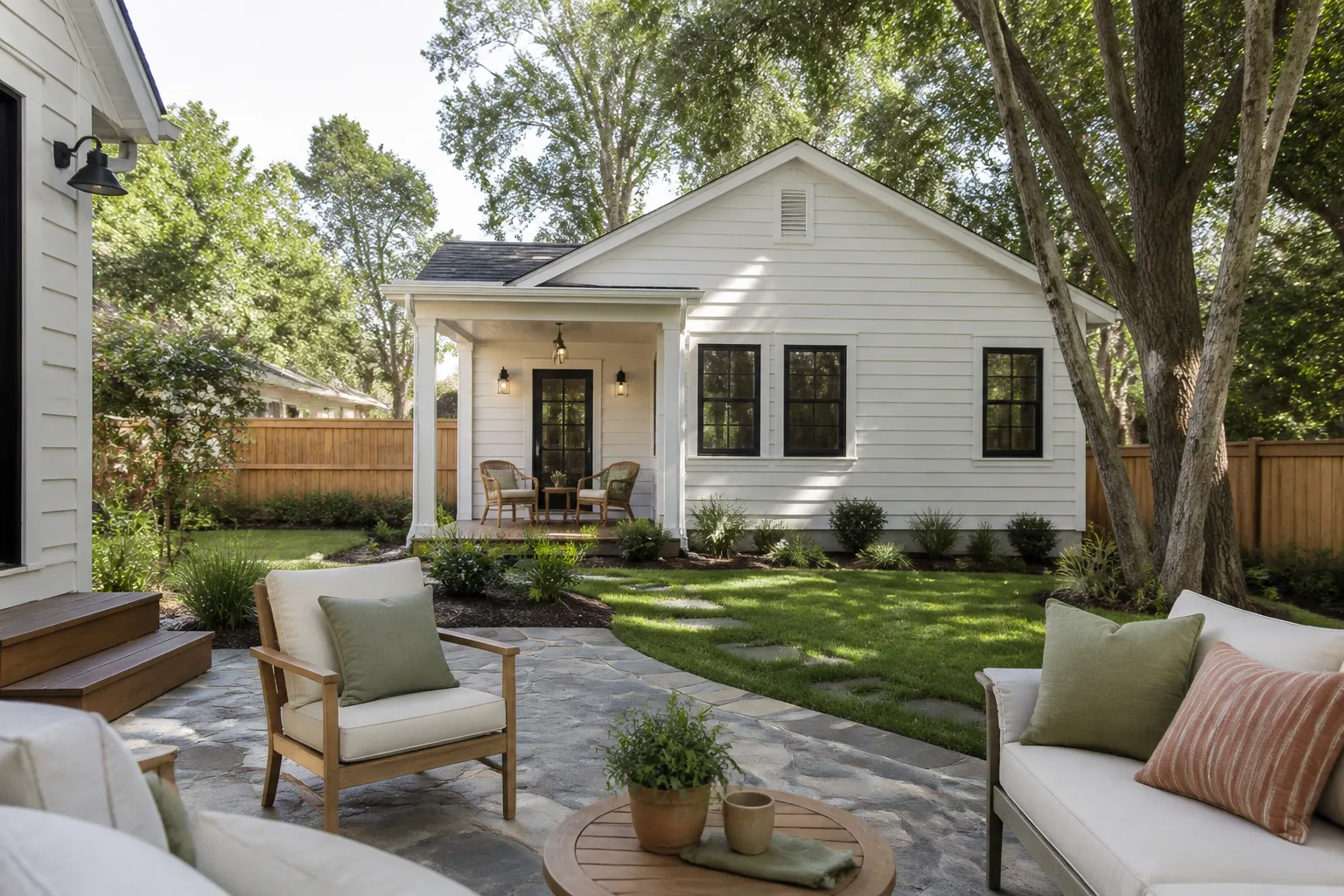
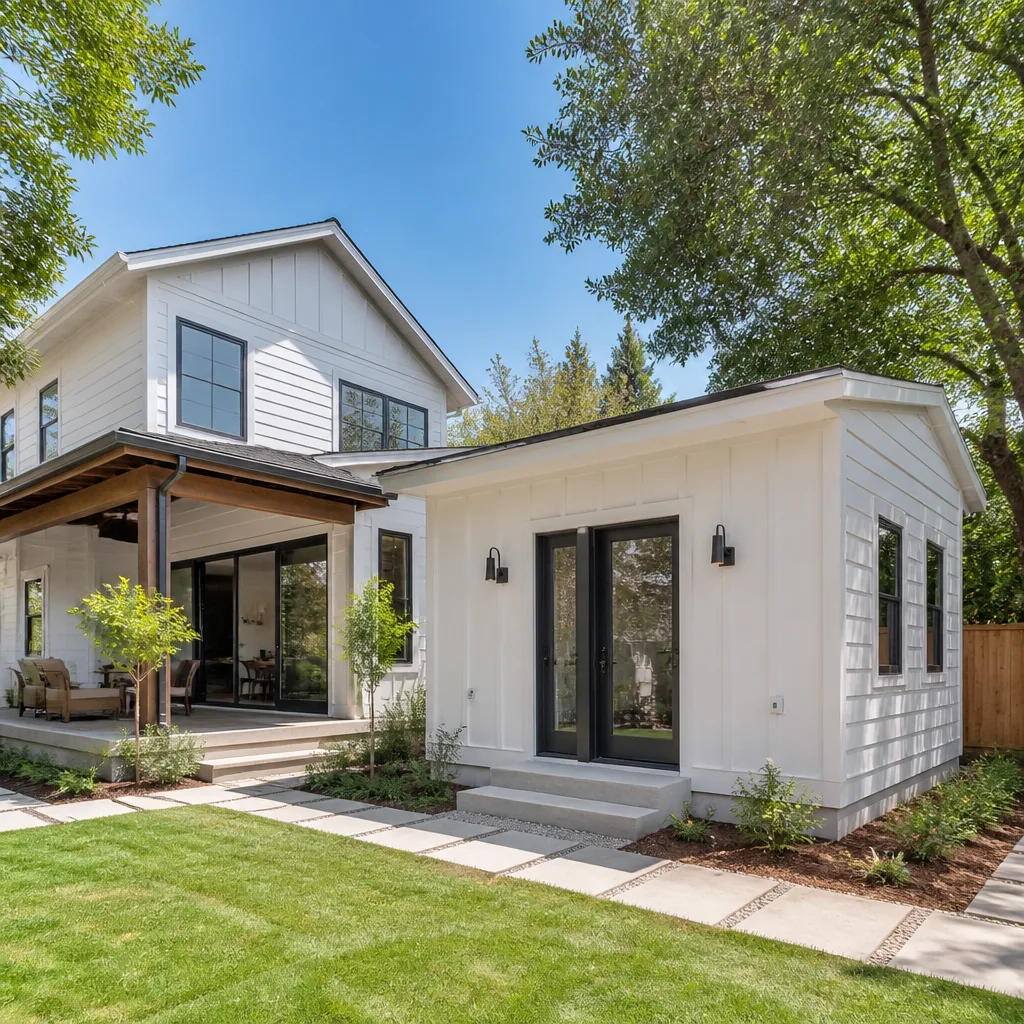
Plant Prefab builds panelized and modular systems that share a common set of connection details, so the repair approach for one model often carries over to another. That said, wall panel thickness varies between their LivingHomes and standard panel series, and we measure every opening before ordering replacement sections. The quickest way to identify what you have is to check the frame label on the interior of a closet or utility chase: Plant Prefab stamps model, panel series, and build date there. If the label is gone, we measure sheathing thickness, stud spacing, and the corner connection style. Those three numbers tell us what belongs back in the wall.
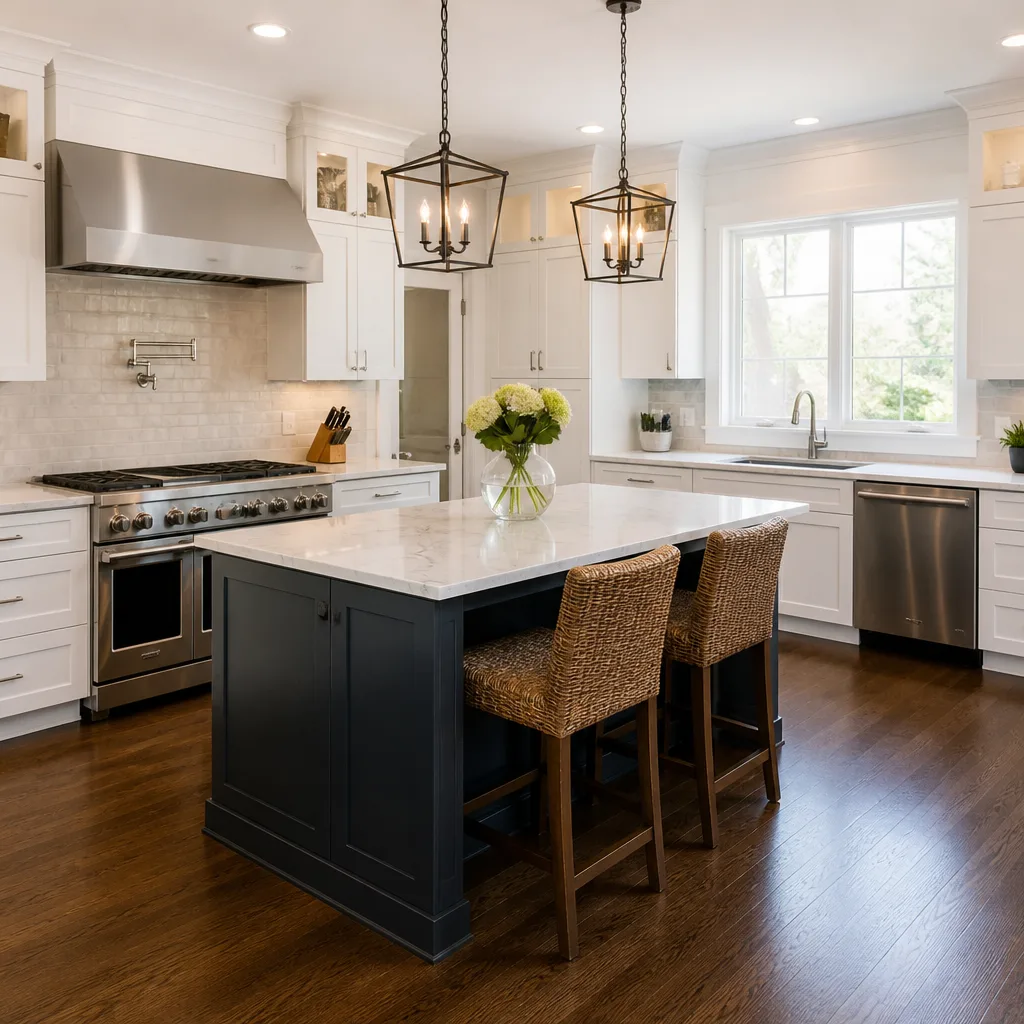
One compatibility gotcha we see in West Palm Beach: early Plant Prefab panels used a specific weather-barrier tape at horizontal seams, and the adhesive degrades faster in our humidity than it does in drier climates. If your addition predates roughly 2018, the seam tape may be the actual failure, not the panel. We carry a compatible replacement tape on the truck, along with OEM-spec fasteners for panel-to-floor and panel-to-roof connections. For countertop and cabinet work inside ADU kitchens, we also stock parts from KraftMaid, Cambria, and Silestone, which are the brands we trust when a homeowner wants matched hardware and a warranty that follows the work.
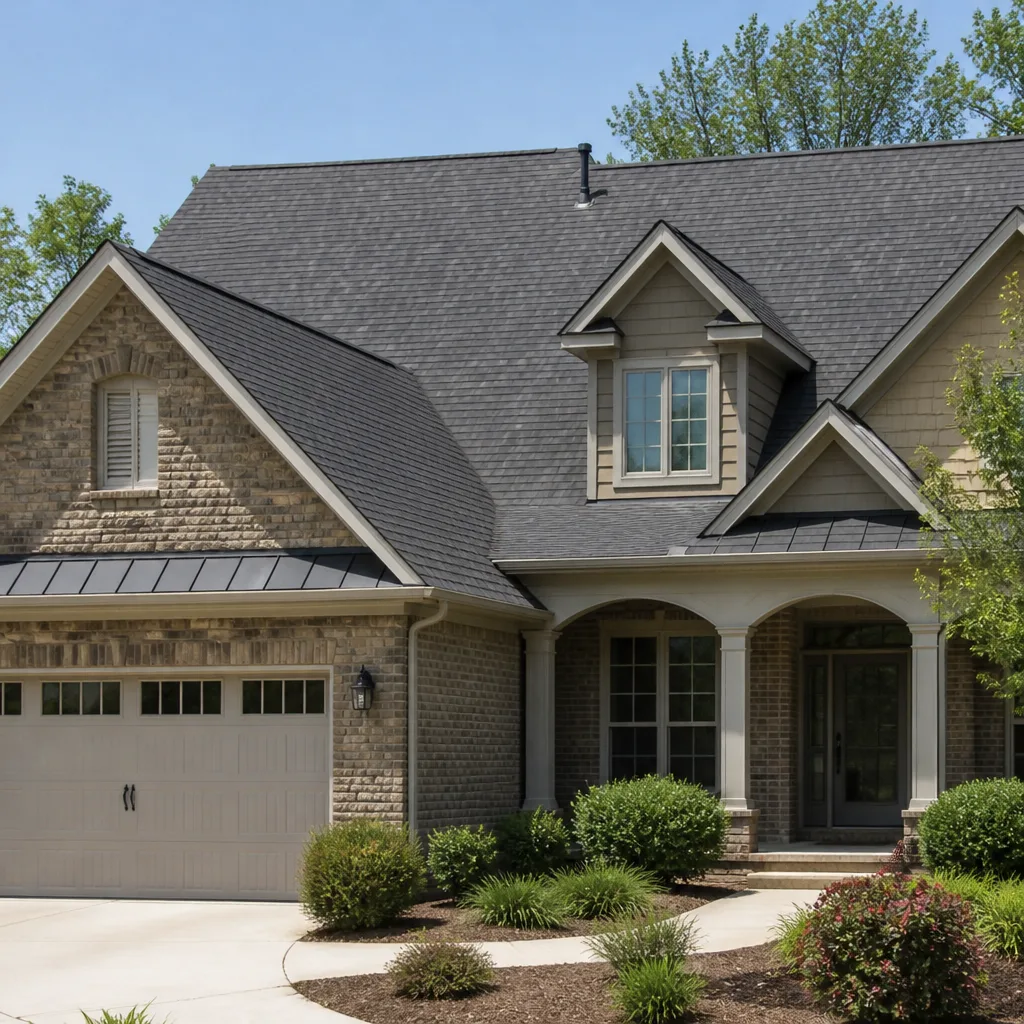
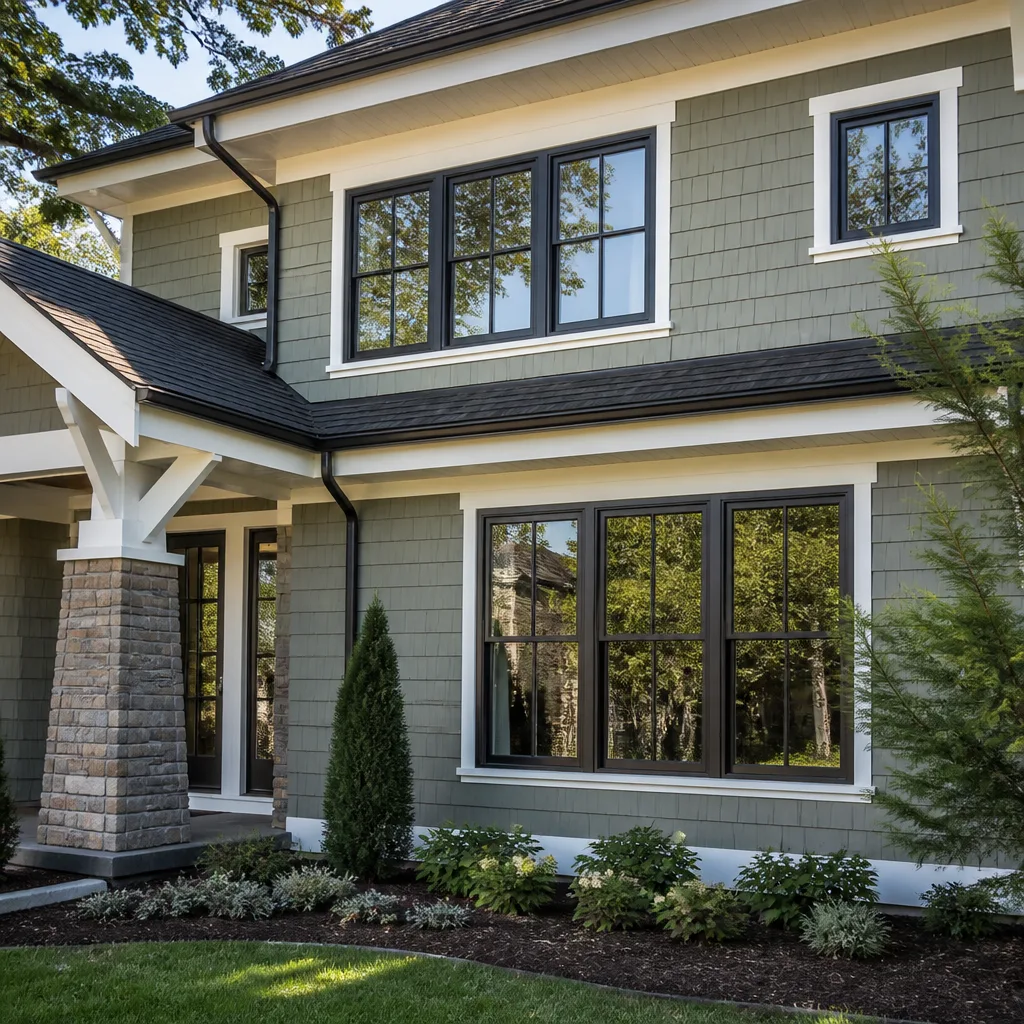
Styles & brands we work with
Signs Your Plant Prefab Home Additions & ADU Is Failing
- A visible gap at a panel seam that widens over time. This usually means the original seam tape has lost adhesion or a fastener has backed out. In West Palm Beach humidity, the tape breaks down faster than the panels do, and the gap lets water into the wall cavity.
- Water staining at the ceiling or upper wall, especially after an afternoon storm. Florida downpours hit hard corners and roof-to-wall transitions first. If the flashing was installed with a generic product instead of a UV-rated flashing tape, it cracks within a few seasons and channels water behind the panel.
- A soft spot near a window or door opening. Water gets in at the rough opening, sits against the sill plate, and rots the bottom of the panel from the inside out. By the time the surface feels soft, the structural sheathing behind it is usually compromised.
- Doors or windows that suddenly stick or won’t latch. Panelized structures settle differently than stick-built ones. A sticking door can mean a footer has shifted, a panel connection has loosened, or the building has moved enough to pinch the opening.
- Mold or mildew odor that persists after cleaning. The smell means moisture is trapped somewhere in the wall or ceiling assembly. In our climate, trapped moisture inside a panel cavity becomes mold within weeks, not months.
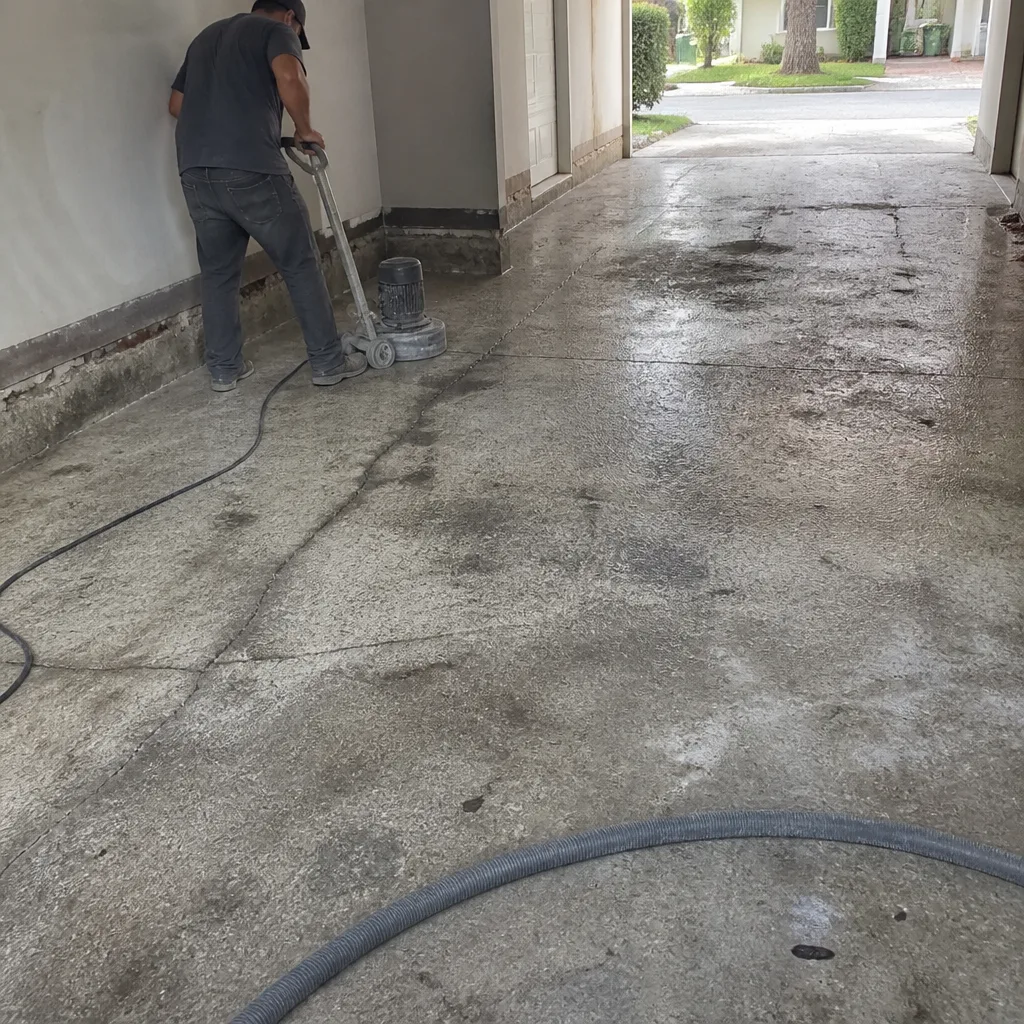
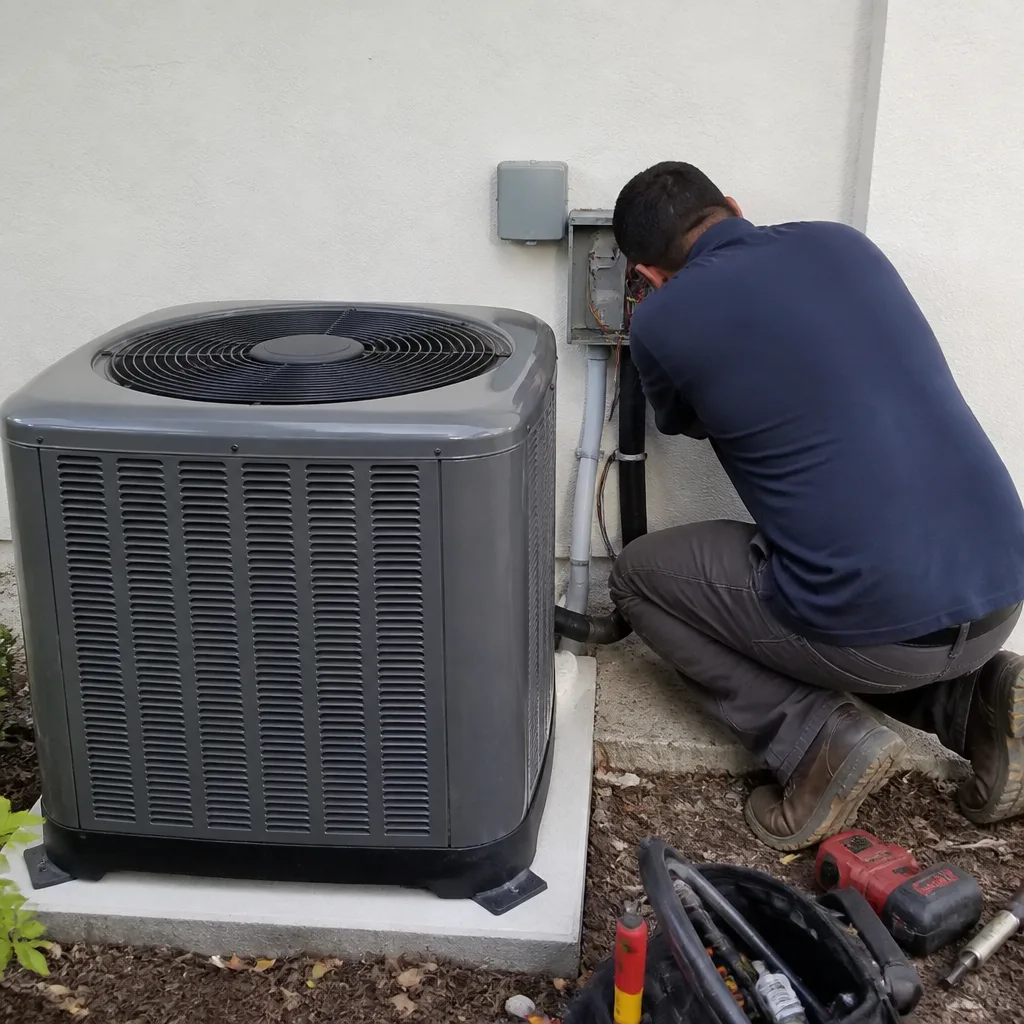
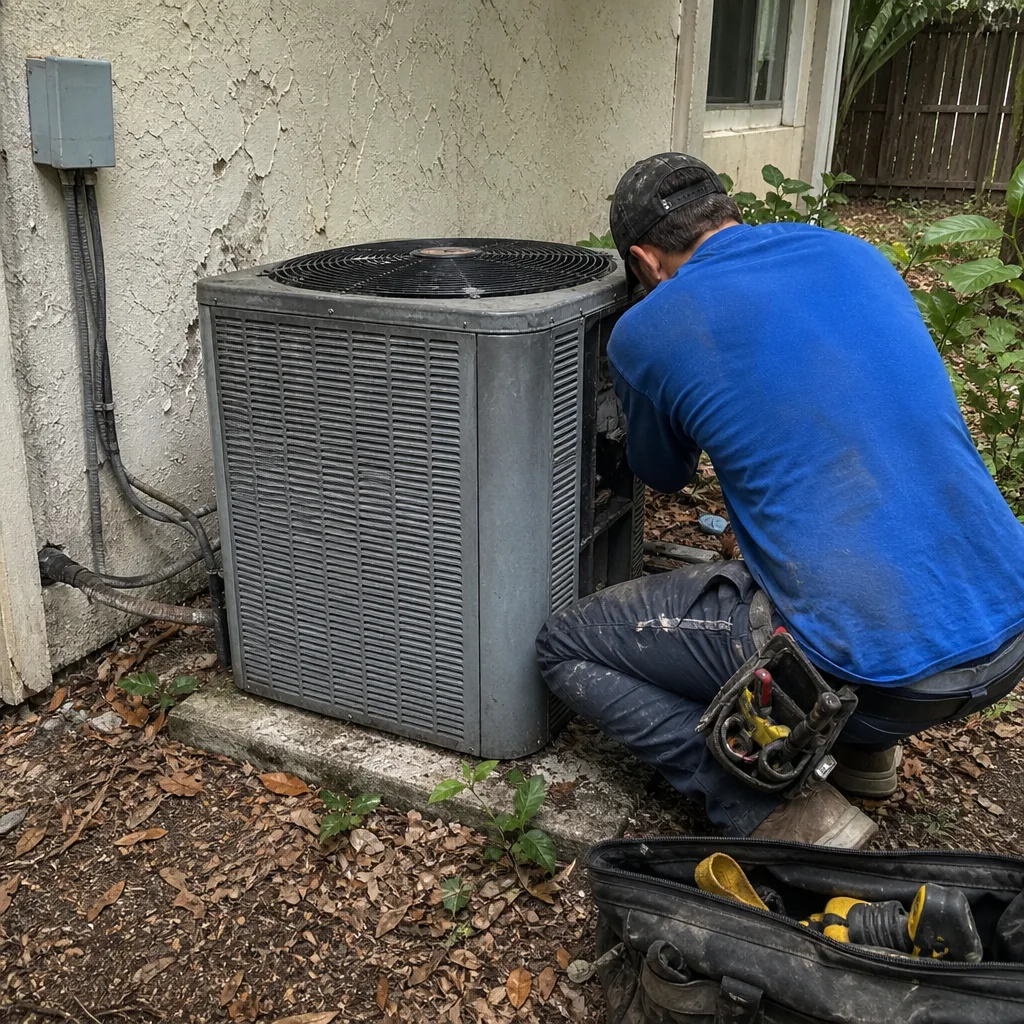
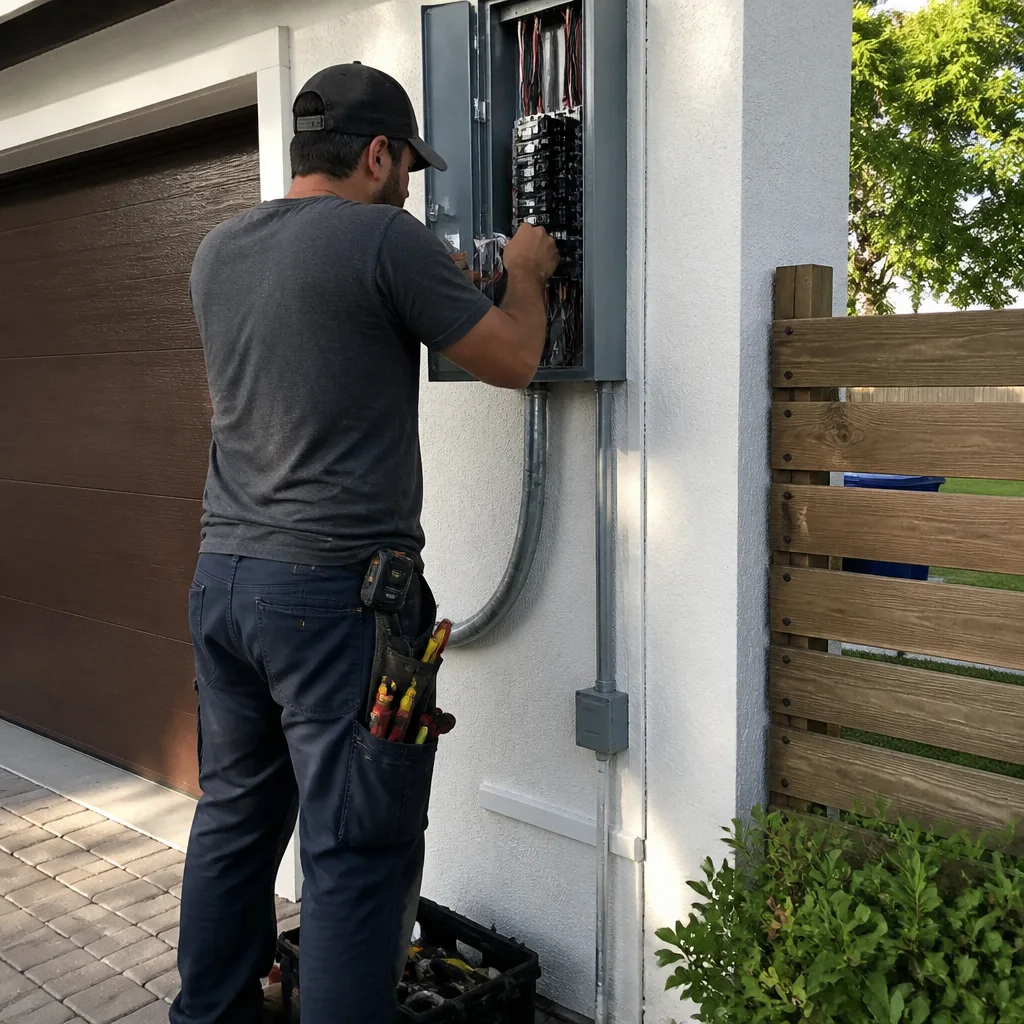
See the difference
 Before
 After
 Before
 After
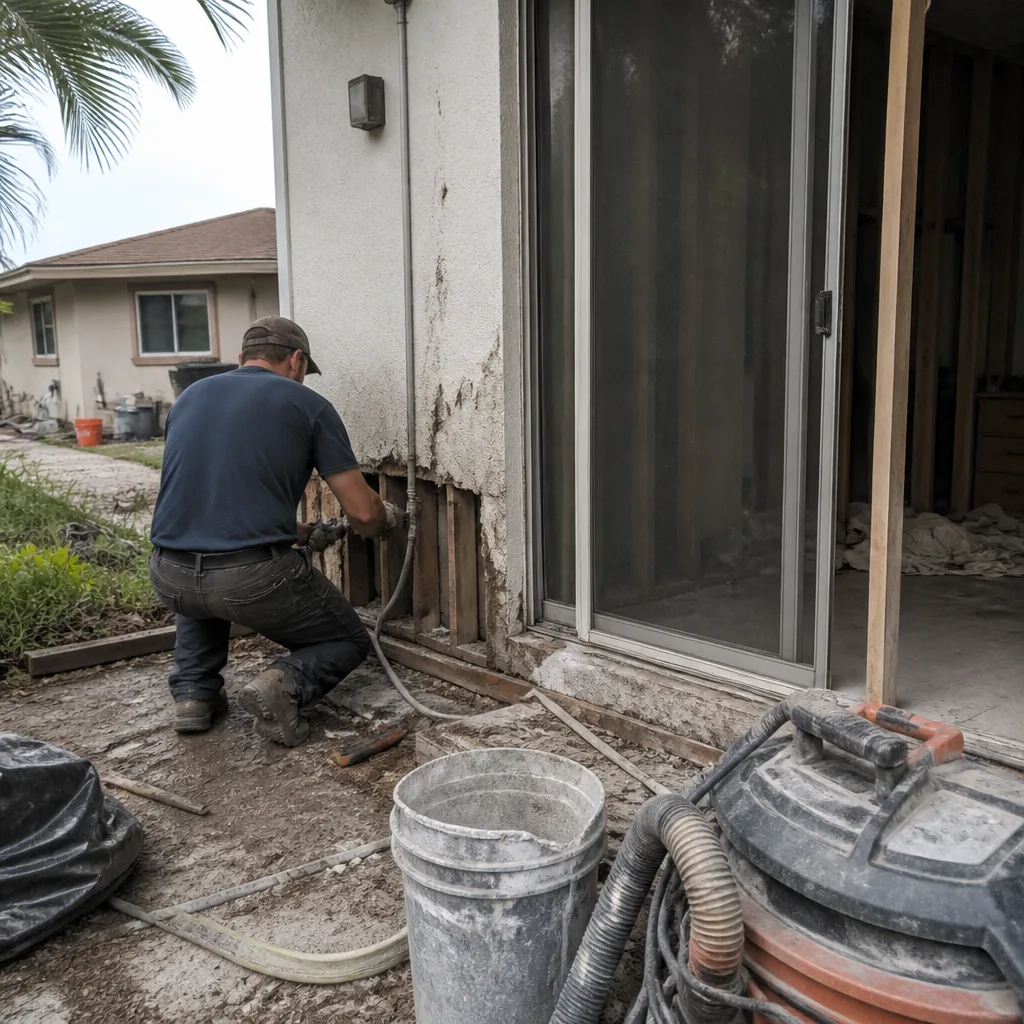 Before
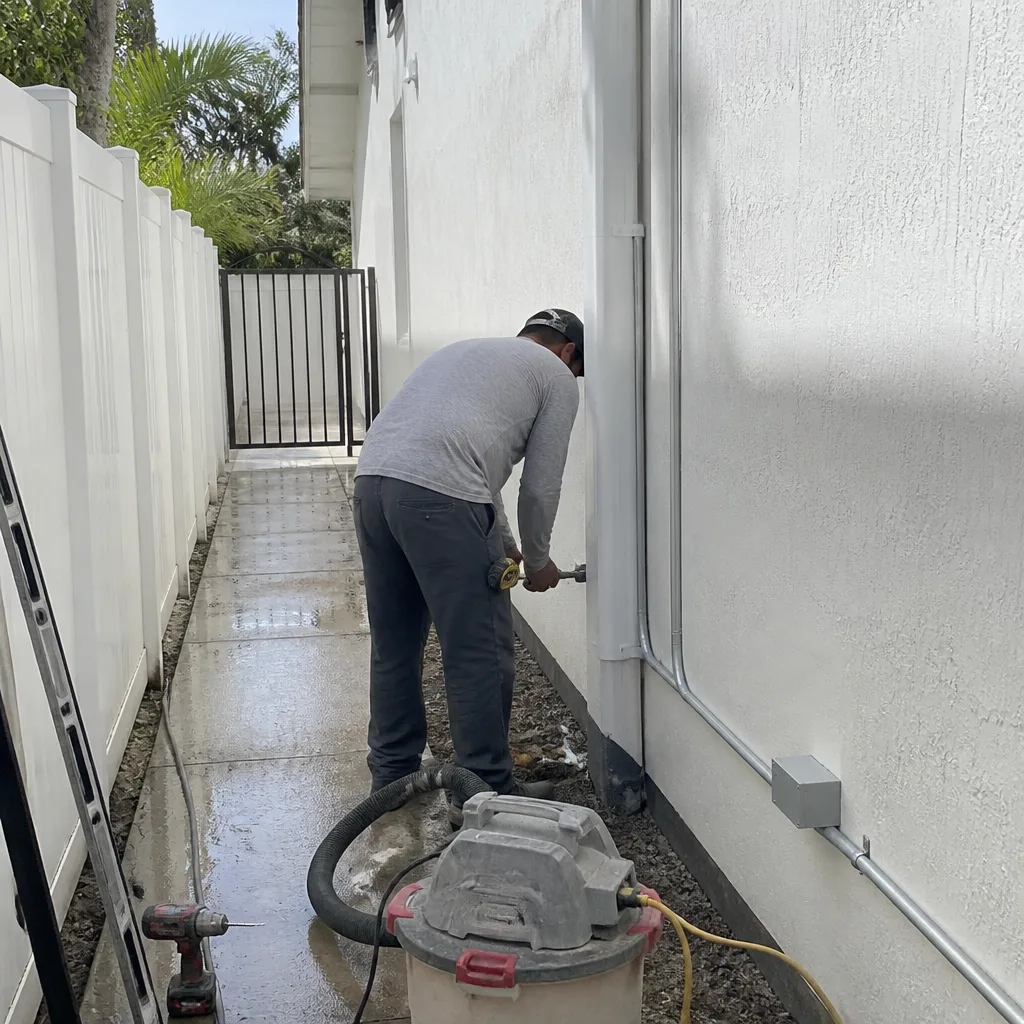 After
Replacement Cost & What’s Included
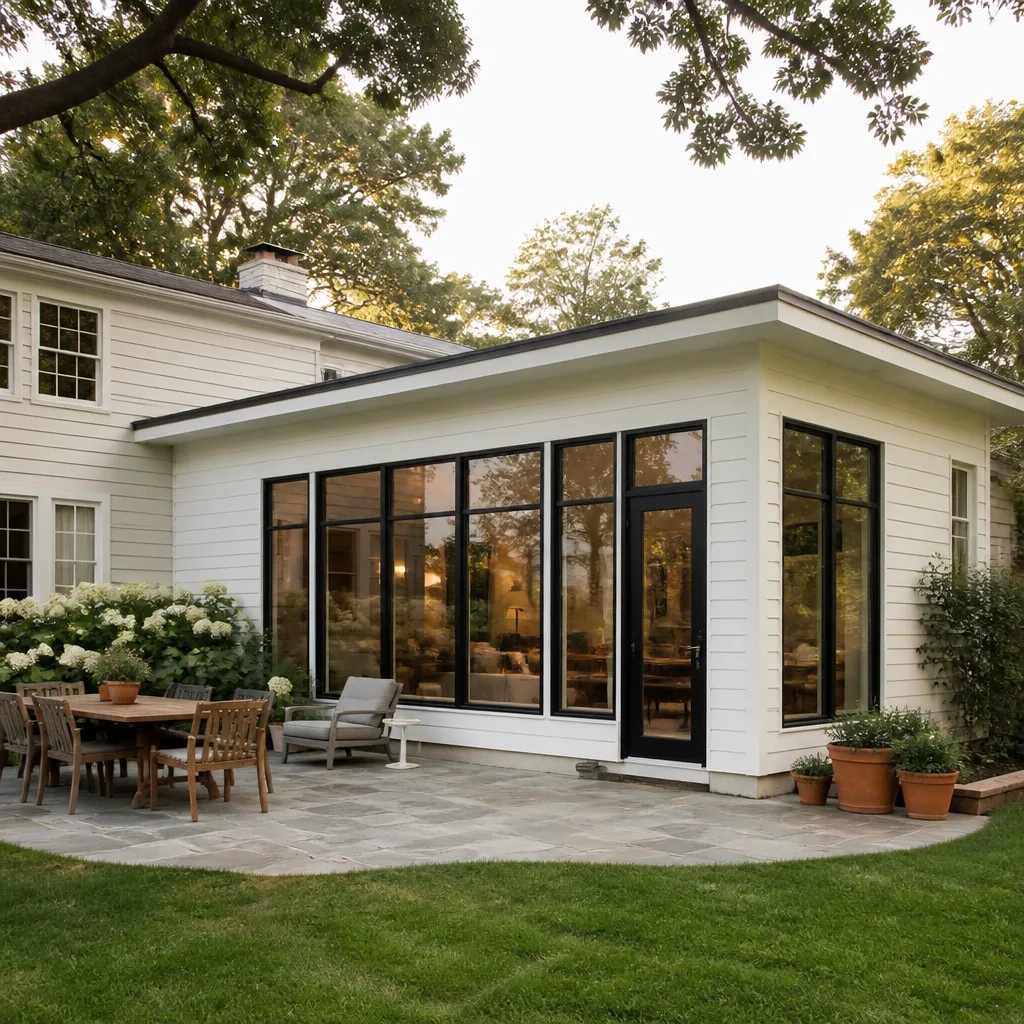
The installed price for Plant Prefab home addition and ADU repair in West Palm Beach runs $45,000 to $130,000. A full home addition lands in that same range, while a complete ADU construction starts around $90,000 and can reach $220,000 depending on finishes, systems, and site work.
- Seam repair and re-taping: $45,000 (entry point for multi-seam remediation on a full addition)
- Single panel replacement with flashing and paint: $60,000 – $90,000
- Structural repair to roof-to-wall connection: $70,000 – $110,000
- Full section rebuild where multiple panels failed: $90,000 – $130,000
The range is driven by three things: how many panels are involved, whether we find additional damage once the wall is opened, and what the original installers did at the connection points. Some jobs we open and find the rest of the assembly is sound. Others open and find the problem goes three panels deeper than the visible damage suggested. Either way, you’ll have the written price before we start, and we don’t change it once the crew arrives. Every Elmstead project carries the 365-Day Done Right Promise: if it’s not done right, we make it right.
DIY or Call Us?
There are things an owner can safely check: look for gaps at panel seams, note where water stains appear after rain, and document whether doors stick seasonally or permanently. That information helps us quote accurately, and it costs you nothing but ten minutes with a phone camera. What you should not do is open a wall panel, cut into sheathing, or try to re-flash a roofline from a ladder. Panelized structures carry load through their connections, and cutting into the wrong spot affects how the building holds itself together. Re-flashing a roof-to-wall transition means working at height, on a wet surface, with sealants that fail if applied to damp material. One wrong step on a ladder ends up costing more than the repair.
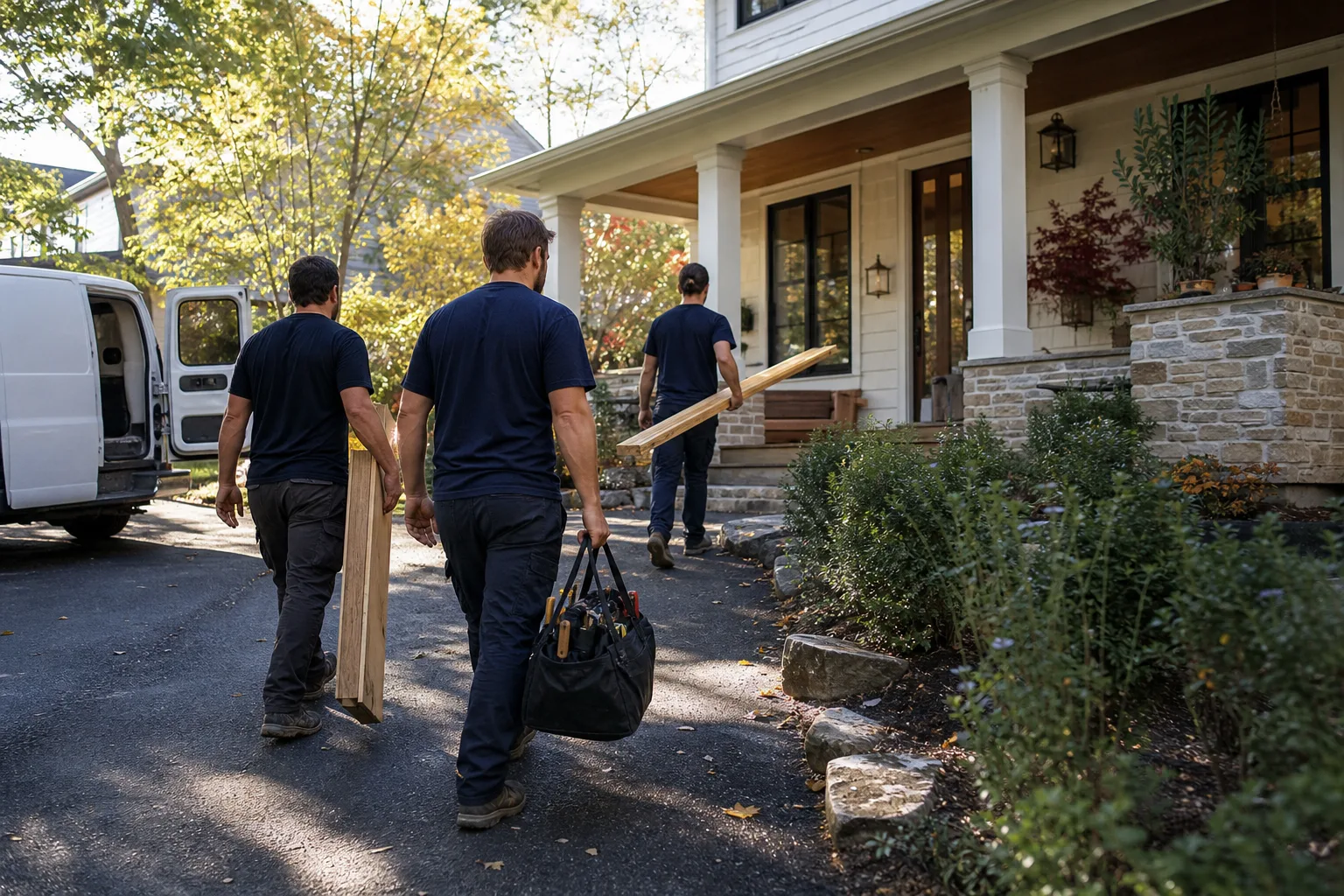
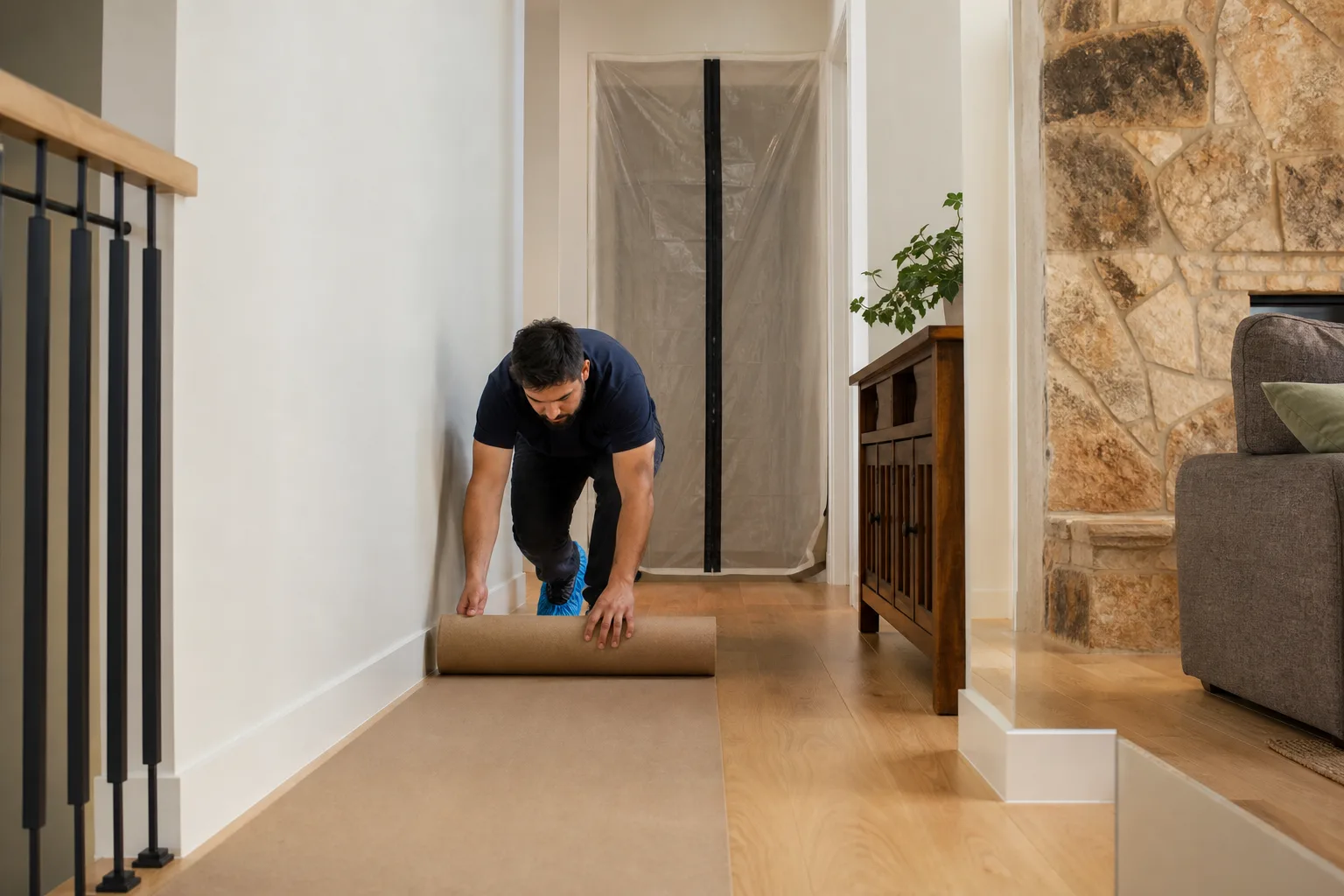
If the seam is opened, the soft spot is soft, or the stain never dries, call us at (728) 203-3270. We’ll send a crew that wears shoe covers, lays down drop cloths, and treats the inside of your home like it’s the part of the job that matters most.
FAQs
With proper seam maintenance and flashing checks every five to seven years, a Plant Prefab panel system should hold for 50 years or more, though the seam tape and exterior caulking typically need replacement every 10 to 15 years in our salt and humidity. The panels themselves are the long-life component; the tapes and sealants between them are the maintenance items.
Seam tape and flashing can usually be repaired in place without removing panels, and that falls at the lower end of our range. A panel that has rot or mold inside the sheathing typically needs full replacement, because trying to dry out and patch a compromised structural panel leaves a weak point that will fail again. Call (728) 203-3270 and we’ll tell you honestly which camp you’re in.
A multi-seam repair takes one to two weeks on site. A full panel replacement or section rebuild runs three to six weeks, depending on weather and what we find when the wall is opened. We’ll give you a written start and end window before any work begins, and we call when we say we will.
We keep compatible seam tape, panel fasteners, and flashing materials stocked at our West Palm Beach shop, so common repairs don’t wait on a manufacturer lead time. For panel sections or finish materials we don’t stock, we order them before the crew starts so the job doesn’t stall mid-way. We also stock KraftMaid, Cambria, and Silestone parts for ADU kitchen work, which keeps interior finishes moving without a separate vendor visit.
If your Plant Prefab addition or ADU is showing any of the signs above, call (728) 203-3270. We’ll give you a written price, a start date, and a crew that leaves your home cleaner than it found it. Put it in writing, then do exactly that.
Written by Graham Stein, Owner, Elmstead Remodeling West Palm Beach at Elmstead Remodeling West Palm Beach, serving West Palm Beach and nearby areas.